
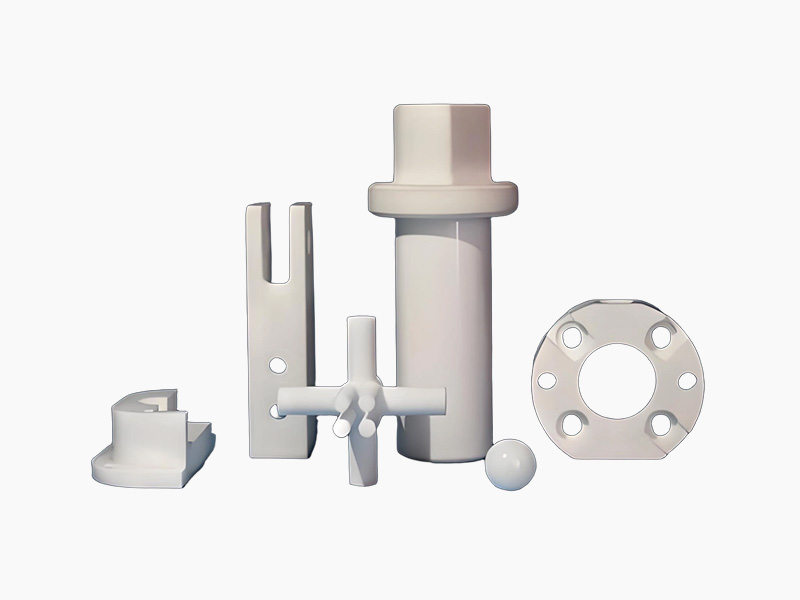
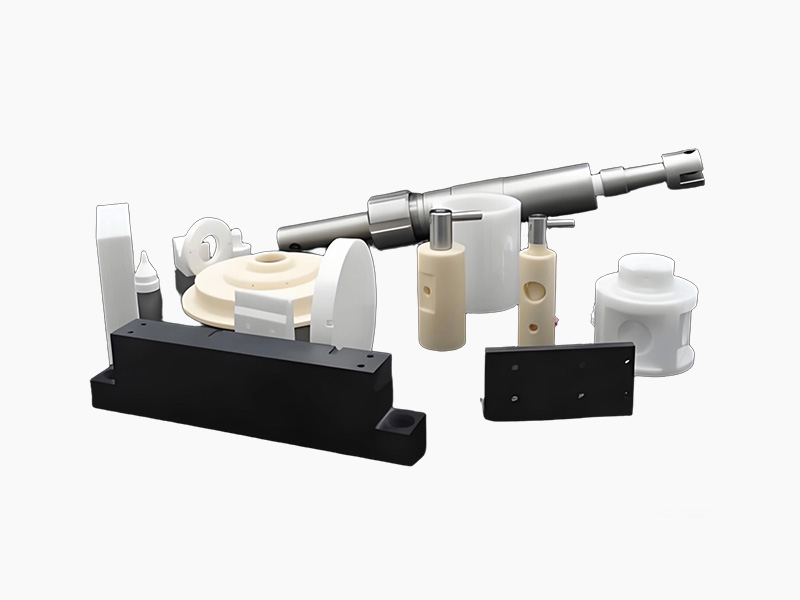





When it comes to welding pins, manufacturers have two primary options: Ceramic Welding Pins and traditional metal welding pins. Both types serve the basic function of positioning workpieces during welding, but they differ significantly in terms of material properties, performance, and suitability for different applications. Understanding the differences between Ceramic Welding Pins and metal welding pins is essential for choosing the right option for your welding project, ensuring optimal performance and cost-effectiveness.
One of the most significant differences between Ceramic Welding Pins and metal welding pins is their temperature resistance. Ceramic Welding Pins, made from materials like alumina and zirconia, can withstand temperatures up to 1700°C, making them ideal for high-heat welding applications such as arc welding, furnace welding, and aerospace component manufacturing. Metal welding pins, on the other hand, typically melt or deform at temperatures above 600°C, limiting their use in high-temperature environments. This means that Ceramic Welding Pins are the better choice for applications where the pins will be exposed to extreme heat for extended periods.
Corrosion resistance is another key difference. Metal welding pins, especially those made from steel or iron, are prone to rust, oxidation, and chemical corrosion. This can lead to premature failure, misalignment, and uneven welds, particularly in harsh environments like chemical plants, refineries, or marine applications. Ceramic Welding Pins, however, are inert and highly resistant to corrosion and chemical exposure. They do not react with most acids, alkalis, or molten metals, making them suitable for use in even the harshest environments. This durability ensures that Ceramic Welding Pins have a longer lifespan than metal pins, reducing replacement costs.
Electrical insulation is a unique advantage of Ceramic Welding Pins that metal pins cannot match. Ceramic materials are non-conductive, which is critical in resistance welding and arc welding processes. Metal pins conduct electrical current, which can divert the current away from the weld area, leading to uneven heating and weak welds. Ceramic Welding Pins prevent this by insulating the workpiece from the welding fixture, ensuring that the current is focused on the weld joint. This results in stronger, more consistent welds and reduces the risk of equipment damage.
Wear resistance is another area where Ceramic Welding Pins outperform metal pins. Ceramic materials have a high hardness (1700–1800 HV for alumina), making them highly resistant to wear and abrasion. Metal pins, especially those made from softer metals, wear down quickly, leading to misalignment and the need for frequent replacements. In high-volume welding operations, this can result in significant downtime and increased costs. Ceramic Welding Pins, however, maintain their shape and dimensions even after thousands of welding cycles, reducing the need for replacements and minimizing downtime.
While Ceramic Welding Pins offer many advantages, metal pins do have some benefits in certain applications. Metal pins are typically less expensive upfront than ceramic pins, making them a cost-effective choice for low-temperature, low-stress welding applications where precision and durability are not critical. Additionally, metal pins are more flexible than ceramic pins, which can be brittle if not handled properly. This makes metal pins suitable for applications where the pin may be subjected to minor impacts or bending.
In conclusion, the choice between Ceramic Welding Pins and metal welding pins depends on your specific application. If you need high-temperature resistance, corrosion resistance, electrical insulation, or precision positioning, Ceramic Welding Pins are the better choice. For low-temperature, low-stress applications where cost is a primary concern, metal pins may be more suitable.