
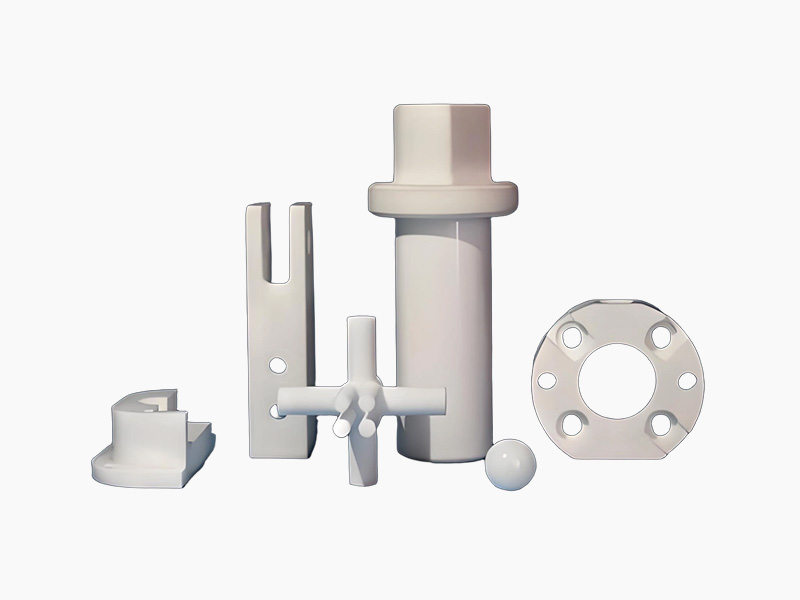
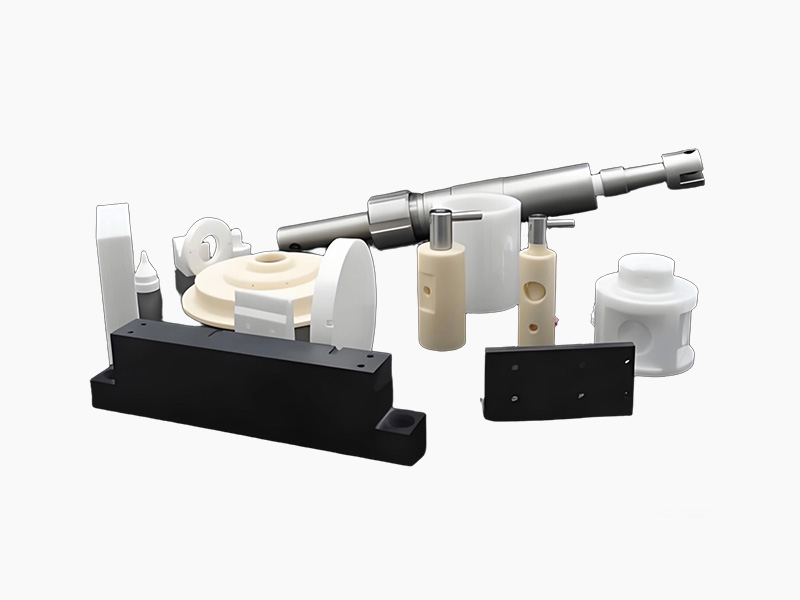




The automotive industry is one of the largest users of welding technology, with millions of welds performed each day to assemble vehicles. Ceramic Welding Pins have become an essential component in automotive welding operations, offering the precision, durability, and performance needed to meet the industry’s strict quality standards. From nut welding to body panel assembly, Ceramic Welding Pins are used in a wide range of automotive applications, helping to improve weld quality, reduce downtime, and increase productivity.
One of the most common applications of Ceramic Welding Pins in the automotive industry is nut welding. In automotive assembly, nuts are often welded to body panels, frames, and other components to provide attachment points for bolts. This process requires precise positioning of the nut to ensure that the bolt fits correctly. Ceramic Welding Pins are used to hold the nut in place during welding, preventing misalignment. Their non-conductive nature ensures that the electrical current is focused on the weld joint, resulting in a strong, consistent weld. Additionally, the smooth surface of Ceramic Welding Pins prevents weld spatter from adhering, reducing the need for manual cleaning and ensuring that the nut remains properly positioned.
Body panel welding is another key application of Ceramic Welding Pins in the automotive industry. Automotive body panels are typically made from thin sheet metal, which requires precise positioning to ensure a seamless fit. Ceramic Welding Pins are used to hold the body panels in place during welding, preventing warping and misalignment. Their high-temperature resistance ensures that they can withstand the heat of the welding process without deforming, while their dimensional stability ensures that the panels remain in the correct position throughout the welding operation. This results in a smooth, even weld that meets the automotive industry’s strict quality standards.
Ceramic Welding Pins are also used in robotic welding cells in the automotive industry. Robotic welding is widely used in automotive manufacturing for its speed, precision, and consistency. Ceramic Welding Pins are integrated into the robotic welding fixtures to hold workpieces in place, ensuring that the robot can perform accurate welds. Their durability and wear resistance make them ideal for use in high-volume robotic welding lines, where pins are used thousands of times per day. Additionally, their non-conductive nature helps to protect the robotic equipment from electrical damage, ensuring reliable operation.
Powertrain component welding is another important application of Ceramic Welding Pins in the automotive industry. Powertrain components, such as engine blocks, transmission cases, and exhaust systems, require high-strength welds to withstand the extreme temperatures and pressures of operation. Ceramic Welding Pins are used to position these components during welding, ensuring that the welds are strong and consistent. Their high-temperature resistance and corrosion resistance make them suitable for use in the harsh environment of the powertrain, where exposure to heat and chemicals is common.
Electric vehicle (EV) manufacturing is a growing area where Ceramic Welding Pins are becoming increasingly important. EVs require specialized welding processes for battery packs, electric motors, and other components. Ceramic Welding Pins are used to position these components during welding, ensuring that the welds are precise and reliable. Their non-conductive nature is particularly important in EV battery welding, where electrical insulation is critical to prevent short circuits and ensure the safety of the battery pack.
In conclusion, Ceramic Welding Pins play a vital role in the automotive industry, supporting a wide range of welding applications from nut welding to EV component manufacturing. Their unique properties, including precision positioning, high-temperature resistance, non-conductivity, and durability, make them ideal for the rigorous demands of automotive manufacturing. As the automotive industry continues to evolve, Ceramic Welding Pins will remain a key tool for ensuring high-quality welds and efficient production.