
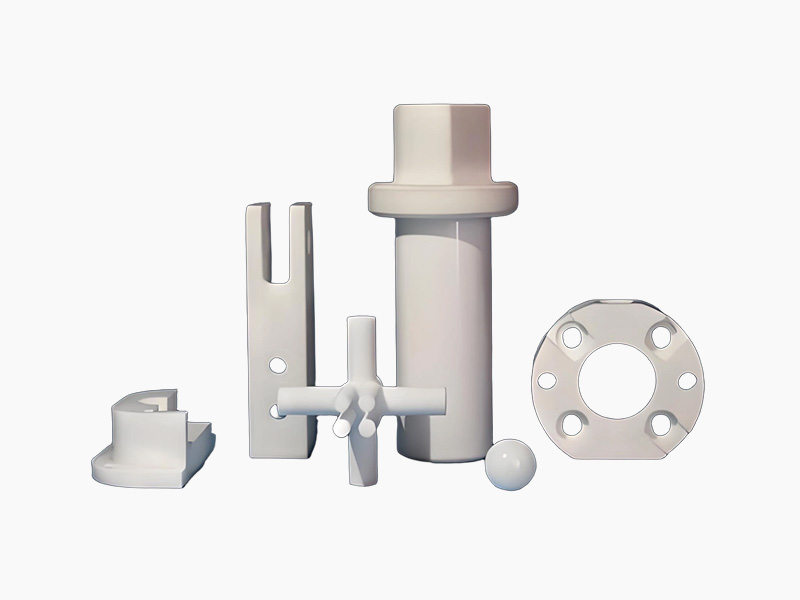
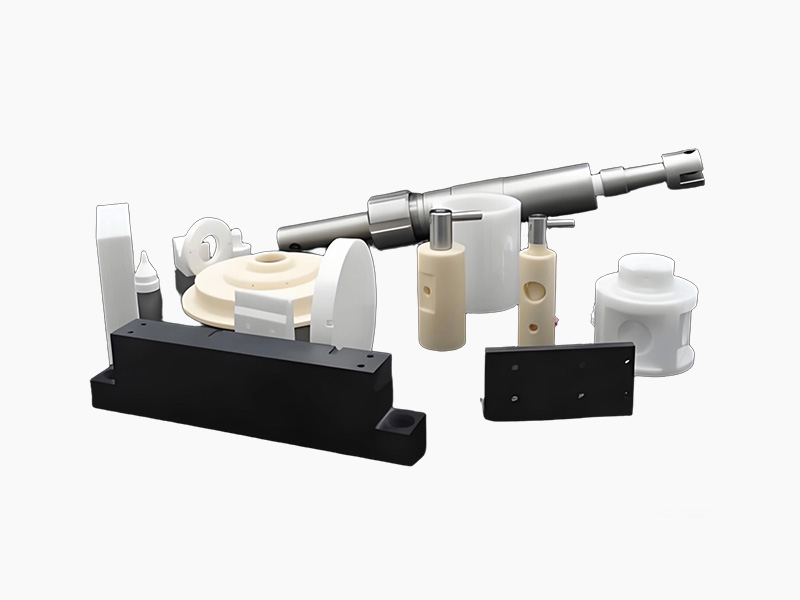





Ceramic Welding Pins are not a one-size-fits-all solution; they come in various types, each designed to meet the specific needs of different welding applications and industries. Understanding the different types of Ceramic Welding Pins and their unique characteristics is essential for choosing the right pin for your welding project, ensuring optimal performance and results. From insulation pins to precision locating pins, each type serves a distinct purpose and offers specific advantages.
One of the most common types of Ceramic Welding Pins is the Insulation Pin. As the name suggests, these pins are primarily used for mounting thermal insulation materials in high-temperature environments, such as furnaces, kilns, and boilers. Insulation Ceramic Welding Pins feature a threaded design that allows for the attachment of insulation washers or discs, ensuring even load distribution and preventing the insulation material from sagging or dislodging. They are typically made from alumina or zirconia, materials that offer excellent thermal resistance and durability, making them ideal for use in temperatures up to 1500°C.
Another popular type is the Ceramic Welded Pin, which is designed for applications that exceed the capabilities of metal pins. These pins are crafted from high-strength ceramic materials, such as silicon nitride or zirconia, and are used in critical applications like nuclear reactors, aerospace components, and high-temperature manufacturing processes. Ceramic Welded Pins offer exceptional high-temperature resistance, electromagnetic shielding properties, and oxidation resistance, ensuring they do not corrode or degrade over time, even in harsh environments.
Tiger Tooth Pins, also known as welding insulator pins, are specifically designed for use in the petroleum and chemical industries. These pins are used to secure insulation on pipes, vessels, and equipment subjected to high temperatures and harsh chemicals. Their unique tiger tooth design provides a secure grip, preventing insulation from slipping even in extreme temperature fluctuations. Tiger Tooth Ceramic Welding Pins are highly resistant to corrosion and chemical exposure, making them ideal for refineries, chemical plants, and other industrial settings where durability and reliability are critical.
Precision Locating Ceramic Welding Pins are another important type, widely used in robotic welding fixtures and automated manufacturing lines. These pins are engineered to provide accurate positioning of workpieces, ensuring consistent weld quality in high-volume production. They are typically made from high-purity alumina (≥96% Al₂O₃) and feature tight tolerances (±0.02 mm) to ensure precise alignment. Precision Locating Ceramic Welding Pins also offer excellent wear resistance and electrical insulation, making them ideal for use in nut welding, sheet metal welding, and other precision applications.
Zirconia Ceramic Welding Pins are a specialized type that offers superior toughness and fracture resistance compared to other ceramic pins. Made from yttria-stabilized zirconia (YSZ), these pins are ideal for applications where impact resistance is required, such as manual welding operations where accidental impacts may occur. Zirconia Ceramic Welding Pins also offer excellent thermal stability and corrosion resistance, making them suitable for use in automotive, aerospace, and medical device manufacturing.
In conclusion, the type of Ceramic Welding Pin you choose depends on your specific application, including the temperature range, environment, and precision requirements. Whether you need insulation pins for high-temperature furnaces, precision locating pins for robotic welding, or tiger tooth pins for chemical plants, there is a Ceramic Welding Pin designed to meet your needs. By selecting the right type of pin, you can improve weld quality, reduce maintenance costs, and ensure the long-term reliability of your welding operations.