
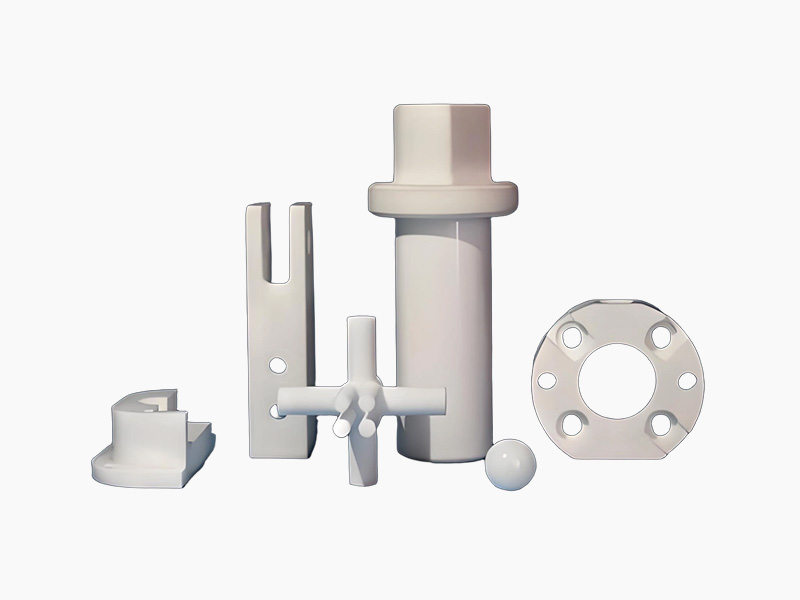
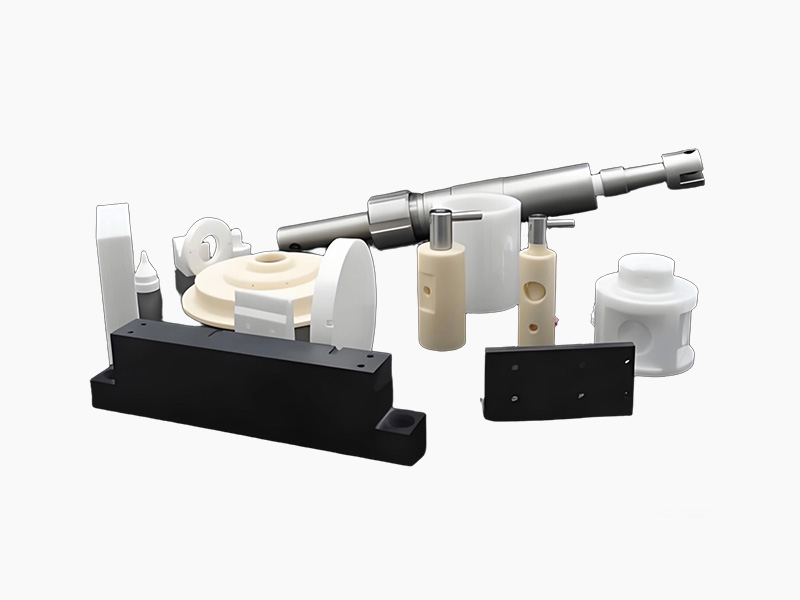





Ceramic Welding Pins are specialized components designed to enhance the efficiency, precision, and durability of welding processes across various industries. Unlike traditional metal welding pins, these pins are crafted from high-quality ceramic materials, which grant them unique properties that make them indispensable in high-demand applications. From automotive manufacturing to aerospace engineering, Ceramic Welding Pins play a critical role in ensuring welding accuracy, reducing downtime, and extending the lifespan of welding equipment.
At their core, Ceramic Welding Pins serve two primary functions: positioning and insulation. During welding operations, they act as precise guides to hold workpieces in place, preventing misalignment that could compromise the integrity of the weld. This positioning capability is especially crucial in automated welding systems, where consistency and precision are non-negotiable. Additionally, the ceramic material provides excellent electrical insulation, which is vital in resistance welding and arc welding processes. This insulation prevents unintended electrical conduction, protecting both the equipment and the workpiece from damage.
The key advantage of Ceramic Welding Pins over metal alternatives lies in their material properties. Ceramic materials, such as alumina (Al₂O₃) and zirconia (ZrO₂), offer exceptional high-temperature resistance, capable of withstanding temperatures exceeding 1000°C without deforming or losing structural integrity. This makes them ideal for use in high-heat welding environments, such as those found in furnace manufacturing or aerospace component production. Unlike metal pins, which can corrode or wear down quickly under extreme conditions, Ceramic Welding Pins are highly resistant to corrosion, oxidation, and wear, ensuring long-term performance and reducing replacement costs.
Another benefit of Ceramic Welding Pins is their non-conductive nature. In resistance welding, where electrical current is used to generate heat for joining metals, non-conductive pins prevent the current from diverting away from the weld area. This ensures that the heat is focused exactly where it is needed, resulting in stronger, more consistent welds. Additionally, the smooth surface of ceramic pins reduces the adhesion of weld spatter, a common issue with metal pins that can lead to uneven welds and increased maintenance time.
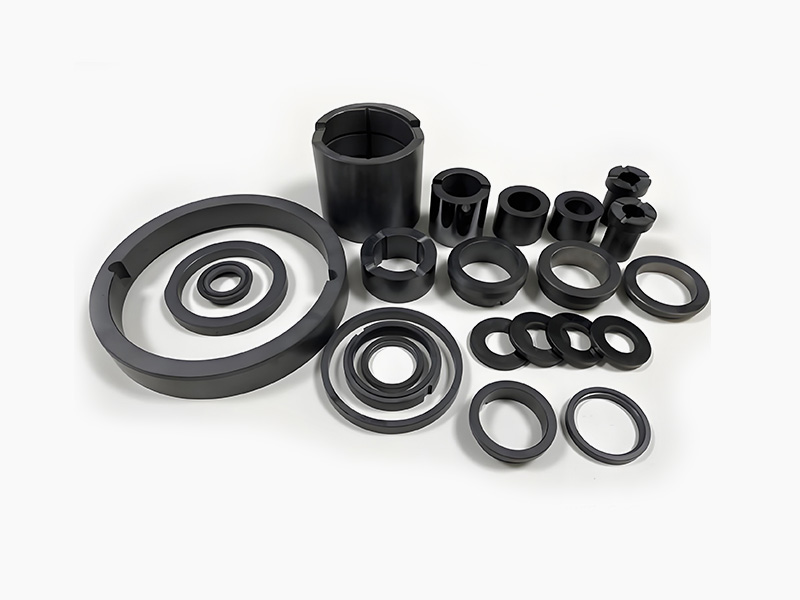
Ceramic Welding Pins are available in a variety of sizes and configurations to suit different welding applications. From small, precision pins used in electronic component welding to larger, heavy-duty pins for industrial machinery, there is a ceramic welding pin designed for every need. Customization options are also available, allowing manufacturers to tailor the pins to their specific requirements, such as unique dimensions, shapes, or material compositions.
In summary, Ceramic Welding Pins are essential components in modern welding processes. Their unique combination of high-temperature resistance, corrosion resistance, electrical insulation, and precision positioning makes them superior to traditional metal pins. Whether used in automated production lines or manual welding operations, these pins help improve weld quality, reduce downtime, and lower overall costs. As industries continue to demand higher standards of precision and durability, Ceramic Welding Pins will remain a key tool in the welding industry.