
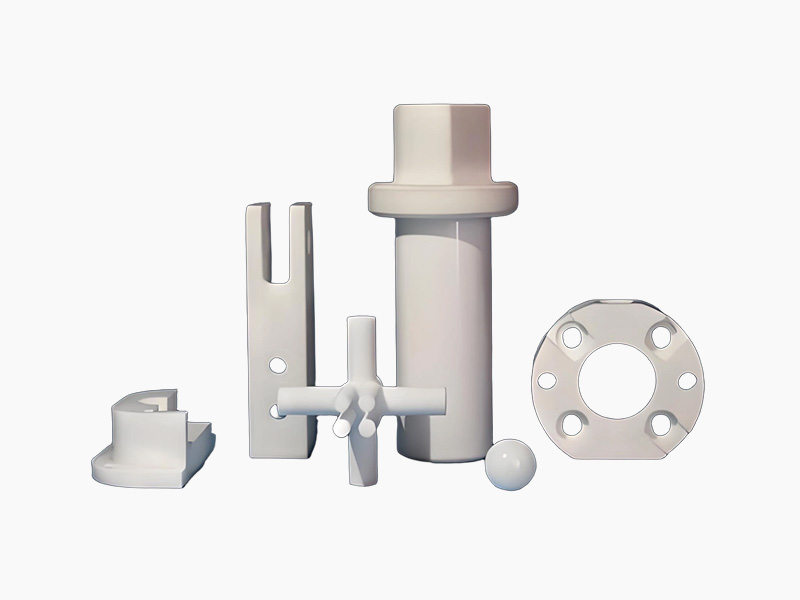
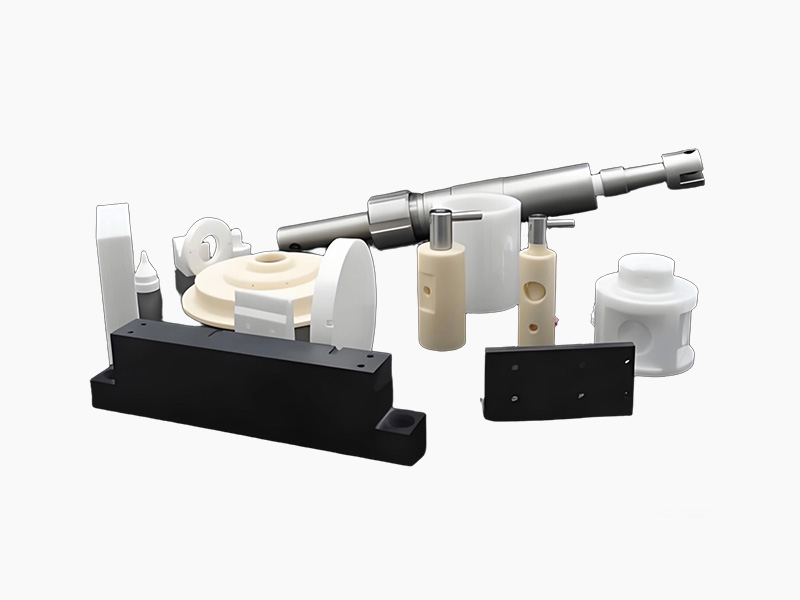




The performance of Ceramic Welding Pins is directly influenced by the materials used in their construction. Unlike traditional metal pins, which rely on strength and conductivity, Ceramic Welding Pins leverage the unique properties of advanced ceramic materials to deliver superior performance in harsh welding environments. From high-temperature resistance to corrosion resistance, these material properties make Ceramic Welding Pins indispensable in modern industrial welding processes. Understanding these properties is key to selecting the right pin for your application and maximizing its effectiveness.
One of the most critical material properties of Ceramic Welding Pins is their high-temperature resistance. Ceramic materials, such as alumina (Al₂O₃), zirconia (ZrO₂), and silicon nitride (Si₃N₄), can withstand extreme temperatures ranging from 1000°C to 1700°C, depending on the material. This is far higher than the temperature resistance of most metal pins, which typically melt or deform at temperatures above 600°C. This property makes Ceramic Welding Pins ideal for use in high-heat welding applications, such as arc welding, resistance welding, and furnace welding, where the pins are exposed to intense heat for extended periods.
Corrosion resistance is another key property of Ceramic Welding Pins. Unlike metal pins, which are prone to rust, oxidation, and chemical corrosion, ceramic materials are inert and do not react with most chemicals or environmental factors. This makes Ceramic Welding Pins suitable for use in harsh environments, such as chemical plants, refineries, and marine applications, where exposure to corrosive substances is common. For example, alumina Ceramic Welding Pins are highly resistant to acids and alkalis, while zirconia pins offer excellent resistance to molten metals and harsh chemicals.
Electrical insulation is a defining property of Ceramic Welding Pins that sets them apart from metal alternatives. Ceramic materials are non-conductive, meaning they do not allow electrical current to pass through them. This is critical in resistance welding and arc welding processes, where electrical current is used to generate heat for joining metals. By using non-conductive Ceramic Welding Pins, the current is focused on the weld area, preventing unintended conduction that could damage the equipment or the workpiece. This not only improves weld quality but also enhances the safety of the welding operation.
Wear resistance is another important material property of Ceramic Welding Pins. Ceramic materials have a high hardness (typically 1700–1800 HV for alumina), which makes them highly resistant to wear and abrasion. This means that Ceramic Welding Pins maintain their shape and dimensions even after repeated use, reducing the need for frequent replacement. In contrast, metal pins wear down quickly, leading to misalignment, uneven welds, and increased maintenance costs. The wear resistance of Ceramic Welding Pins is particularly beneficial in high-volume automated welding lines, where pins are used thousands of times per day.
Dimensional stability is also a key property of Ceramic Welding Pins. Ceramic materials have a low coefficient of thermal expansion, meaning they do not expand or contract significantly when exposed to temperature changes. This ensures that the pins maintain their precise dimensions even in extreme heat, preventing misalignment of the workpiece and ensuring consistent weld quality. This is especially important in precision welding applications, such as aerospace component manufacturing, where even small deviations in pin dimensions can compromise the integrity of the weld.
In summary, the material properties of Ceramic Welding Pins—high-temperature resistance, corrosion resistance, electrical insulation, wear resistance, and dimensional stability—make them superior to traditional metal pins in many welding applications. By selecting the right ceramic material for your specific needs, you can ensure that your Ceramic Welding Pins deliver optimal performance, improve weld quality, and reduce long-term costs.