
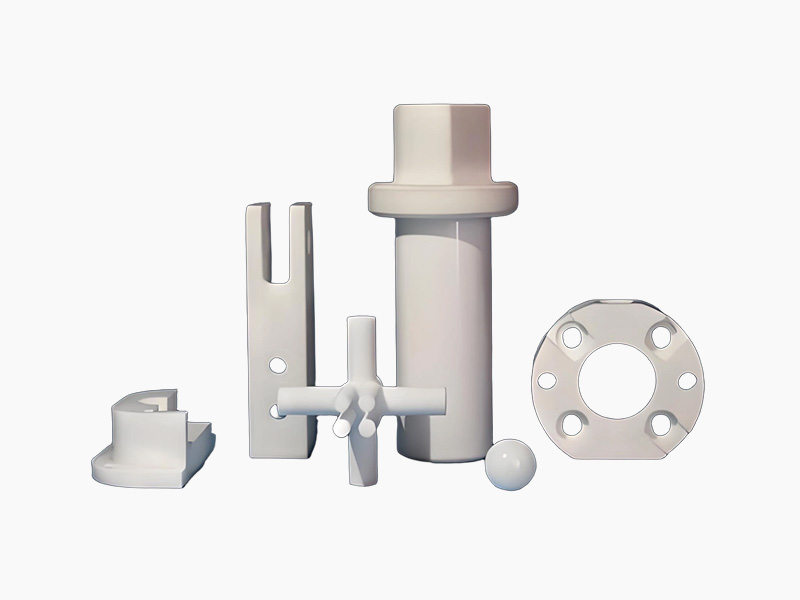
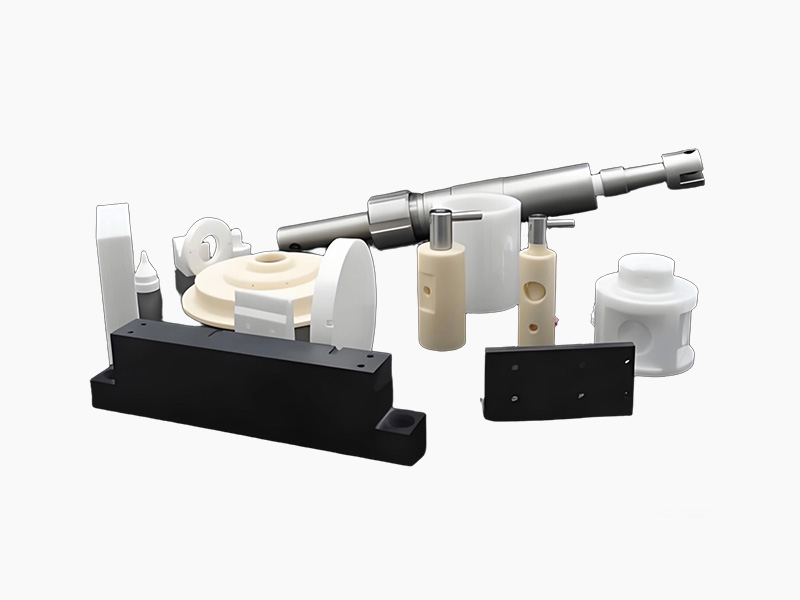




While Ceramic Welding Pins offer numerous advantages over traditional metal pins, they can still experience issues that affect their performance and lifespan. Understanding common problems with Ceramic Welding Pins and how to solve them is essential for ensuring optimal performance and reducing maintenance costs. From breakage to wear, these issues can be addressed with proper handling, installation, and maintenance.
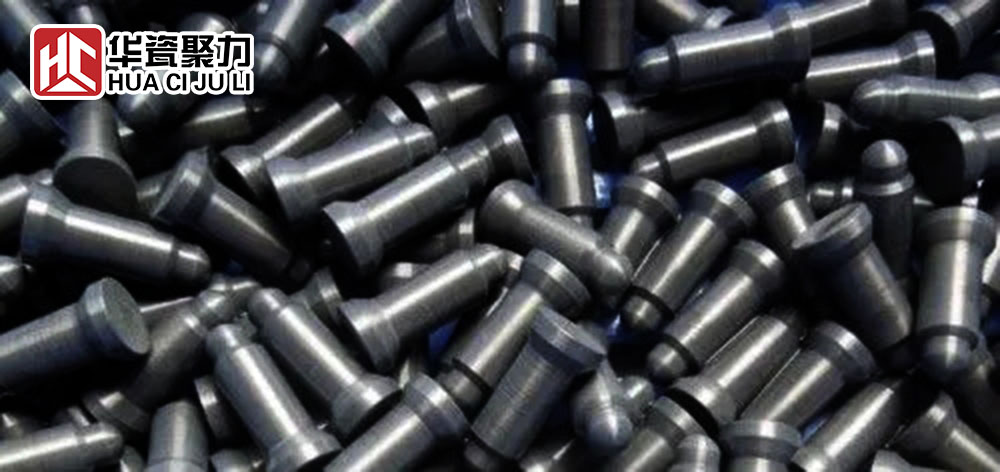
One of the most common problems with Ceramic Welding Pins is breakage. Ceramic materials are inherently brittle, and pins can break if subjected to impact, excessive force, or poor installation. The most frequent causes of breakage include accidental impact during workpiece feeding, poor press calibration, and excessive force during installation. To solve this problem, it is important to handle Ceramic Welding Pins with care, avoiding dropping them or subjecting them to heavy loads.
Another solution to breakage is to use Ceramic Welding Pins with a steel tip or base. Some manufacturers offer pins that combine a ceramic core with a steel tip, which absorbs impact and reduces the risk of breakage. This design provides the benefits of ceramic (electrical insulation, wear resistance) with the impact resistance of steel, making them ideal for applications where impact is a concern. Additionally, proper press calibration can reduce stress on the pins, preventing breakage.
Wear is another common problem with Ceramic Welding Pins, although it is less frequent than with metal pins. Wear can occur due to prolonged exposure to weld spatter, repeated mechanical contact, or contamination. To reduce wear, it is important to keep the welding environment clean, removing weld spatter and debris regularly. Additionally, choosing a Ceramic Welding Pin with high wear resistance (such as silicon nitride or high-purity alumina) can extend the pin’s lifespan.
Poor alignment is another issue that can affect the performance of Ceramic Welding Pins. If the pin is not aligned properly with the workpiece or fixture, it can cause misalignment of the weld, reducing weld quality. To solve this problem, ensure that the pin is installed correctly, with a snug fit in the fixture. Regular inspection of the pin and fixture can also help identify alignment issues early, preventing further problems.
Corrosion is a less common problem with Ceramic Welding Pins, but it can occur in harsh environments where the pins are exposed to chemicals or moisture. To prevent corrosion, choose a Ceramic Welding Pin made from a corrosion-resistant material such as zirconia or silicon nitride. Additionally, storing the pins in a dry, clean environment when not in use can help prevent moisture damage.
Finally, improper maintenance can lead to a range of problems with Ceramic Welding Pins. Regular inspection of the pins for signs of wear, cracks, or damage is essential. Any damaged pins should be replaced immediately to prevent further issues. Additionally, cleaning the pins regularly to remove weld spatter and debris can extend their lifespan and ensure optimal performance.