
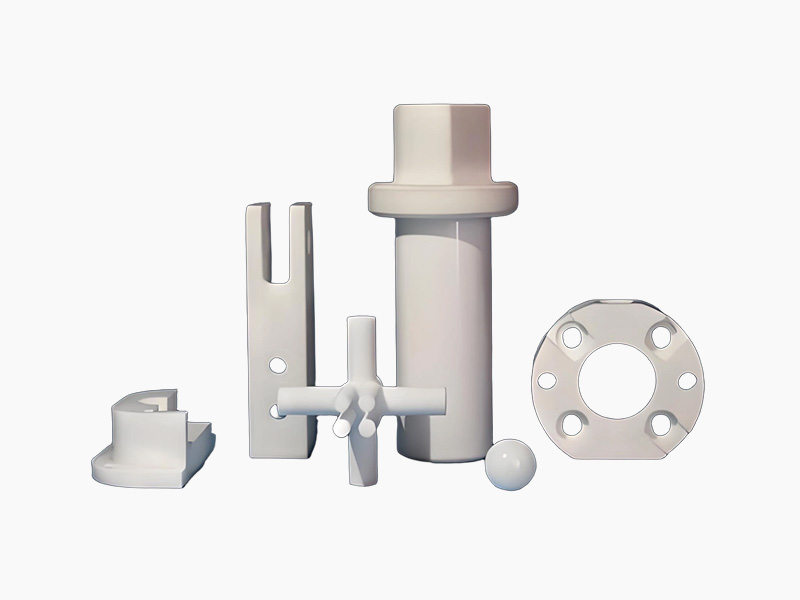
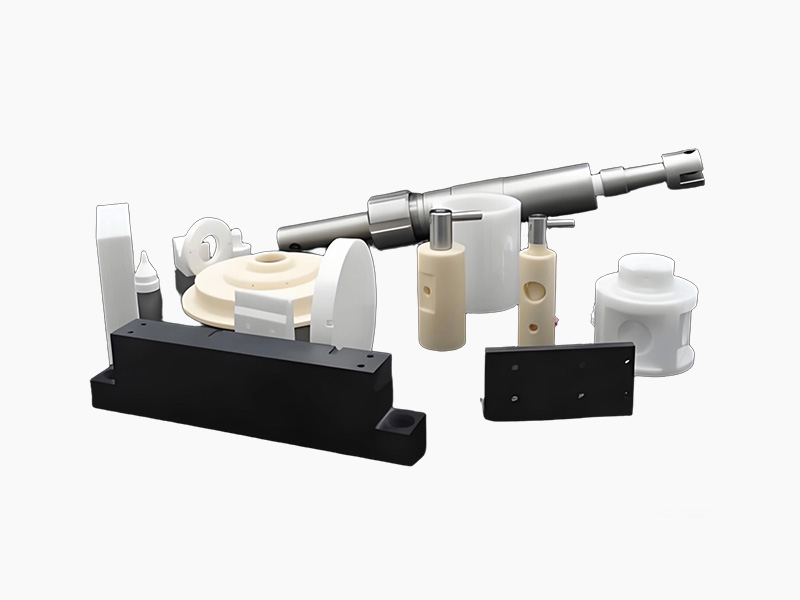




High-temperature welding applications, such as those found in furnace manufacturing, aerospace engineering, and power generation, require components that can withstand extreme heat without degrading. Ceramic Welding Pins are ideally suited for these applications, offering a range of benefits that make them superior to traditional metal pins. From exceptional temperature resistance to long-term durability, Ceramic Welding Pins provide the performance needed to ensure reliable, high-quality welds in even the hottest environments.
The most significant benefit of Ceramic Welding Pins in high-temperature applications is their exceptional high-temperature resistance. Unlike metal pins, which melt or deform at temperatures above 600°C, Ceramic Welding Pins made from materials like alumina, zirconia, and silicon nitride can withstand temperatures ranging from 1000°C to 1700°C. This allows them to maintain their structural integrity and precision positioning even when exposed to the intense heat of high-temperature welding processes. For example, in furnace welding, where temperatures can exceed 1200°C, Ceramic Welding Pins remain stable, ensuring that the workpiece is held in the correct position throughout the welding operation.
Another key benefit is their thermal stability. Ceramic materials have a low coefficient of thermal expansion, meaning they do not expand or contract significantly when exposed to temperature changes. This prevents the pins from warping or bending during the welding process, ensuring that they maintain their precise dimensions. In high-temperature welding, where the pins are subjected to repeated heating and cooling (thermal cycling), this thermal stability is critical. Metal pins, on the other hand, can crack or deform due to thermal cycling, leading to premature failure and unplanned downtime.
Ceramic Welding Pins also offer excellent wear resistance in high-temperature environments. The high hardness of ceramic materials (1700–1800 HV for alumina) makes them highly resistant to wear and abrasion, even at extreme temperatures. This means that the pins maintain their shape and dimensions even after thousands of welding cycles, reducing the need for frequent replacements. In contrast, metal pins wear down quickly under high-temperature conditions, leading to misalignment and uneven welds.
Corrosion resistance is another important benefit of Ceramic Welding Pins in high-temperature applications. High-temperature environments often involve exposure to corrosive substances, such as molten metals, acids, and alkalis. Ceramic materials are inert and do not react with these substances, making them highly resistant to corrosion. This ensures that the pins remain durable and reliable even in harsh, high-temperature environments. Metal pins, however, are prone to oxidation and corrosion at high temperatures, leading to premature failure.
Electrical insulation is also a valuable benefit in high-temperature welding applications. Many high-temperature welding processes, such as arc welding and resistance welding, rely on electrical current to generate heat. Ceramic Welding Pins are non-conductive, ensuring that the current is focused on the weld joint, rather than being diverted through the pins. This results in stronger, more consistent welds and reduces the risk of equipment damage. Metal pins, which are conductive, can cause current diversion, leading to uneven heating and weak welds.
In addition to these benefits, Ceramic Welding Pins are also lightweight, which can help reduce the overall weight of the welding fixture. This is particularly important in aerospace and automotive applications, where weight reduction is a key goal. Their lightweight nature also makes them easier to handle and install, improving the efficiency of the welding operation.
In summary, Ceramic Welding Pins offer numerous benefits in high-temperature welding applications, including exceptional high-temperature resistance, thermal stability, wear resistance, corrosion resistance, electrical insulation, and lightweight design. These benefits make them the ideal choice for use in furnace manufacturing, aerospace engineering, power generation, and other high-temperature industrial applications. By using Ceramic Welding Pins, manufacturers can improve weld quality, reduce downtime, and extend the lifespan of their welding equipment.