




In modern manufacturing, resistance spot welding is widely used in industries such as automotive production, sheet metal fabrication, and appliance manufacturing. The consistency and reliability of weld quality depend heavily on the performance of key components, including ceramic welding pins.
What Are Ceramic Welding Pins?
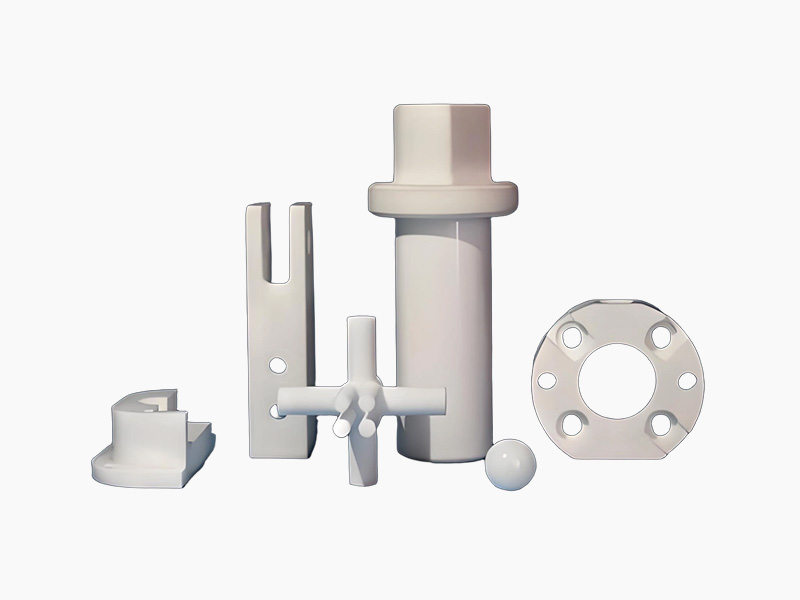
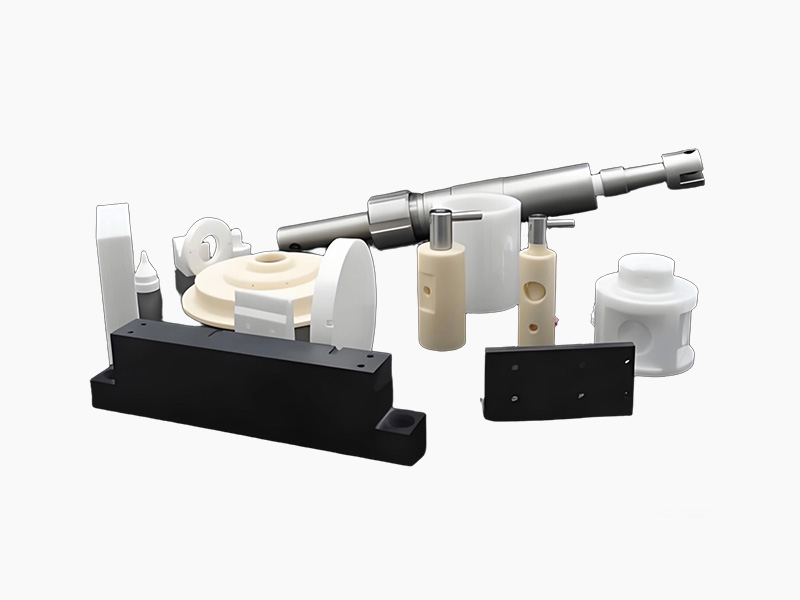
Ceramic welding pins are precision components made from advanced ceramic materials such as silicon nitride or alumina. Unlike traditional metal pins, these components are designed to withstand extreme conditions, including high temperatures, mechanical stress, and electrical exposure.
Their primary function is to ensure accurate positioning and alignment during the welding process, allowing electrodes to maintain consistent contact with workpieces.
Challenges in Traditional Welding Pins
Metal welding pins often suffer from several limitations:
1、Thermal expansion under high heat
2、Electrical conductivity causing energy loss
3、Wear and deformation over repeated cycles
4、Corrosion from industrial environments
These issues can lead to inconsistent weld quality, increased maintenance, and production downtime.
Advantages of Ceramic Welding Pins
Ceramic welding pins provide a range of performance advantages:
1. High Temperature Resistance
Ceramic materials maintain structural integrity even under intense heat generated during welding.
2. Electrical Insulation
Unlike metal pins, ceramic welding pins do not conduct electricity, preventing unintended current flow and improving welding efficiency.
3. Superior Wear Resistance
Ceramics are significantly harder than steel, ensuring long service life and consistent performance.
4. Dimensional Stability
Low thermal expansion ensures precise alignment even during continuous operation.
Application in Spot Welding Systems
In resistance spot welding, precision alignment is essential. Ceramic welding pins help maintain consistent electrode positioning, reducing defects such as weak welds or excessive spatter.
They are widely used in:
1、Automotive body welding lines
2、Battery pack welding systems
3、Sheet metal assembly processes
Improving Production Efficiency
By reducing wear and minimizing maintenance needs, ceramic welding pins contribute to higher production efficiency. Manufacturers benefit from:
1、Reduced downtime
2、Improved weld consistency
3、Lower replacement costs
Conclusion
Ceramic welding pins are a critical upgrade for modern welding systems. Their durability, precision, and resistance to heat and wear make them an essential component for achieving consistent, high-quality welds in industrial production.