
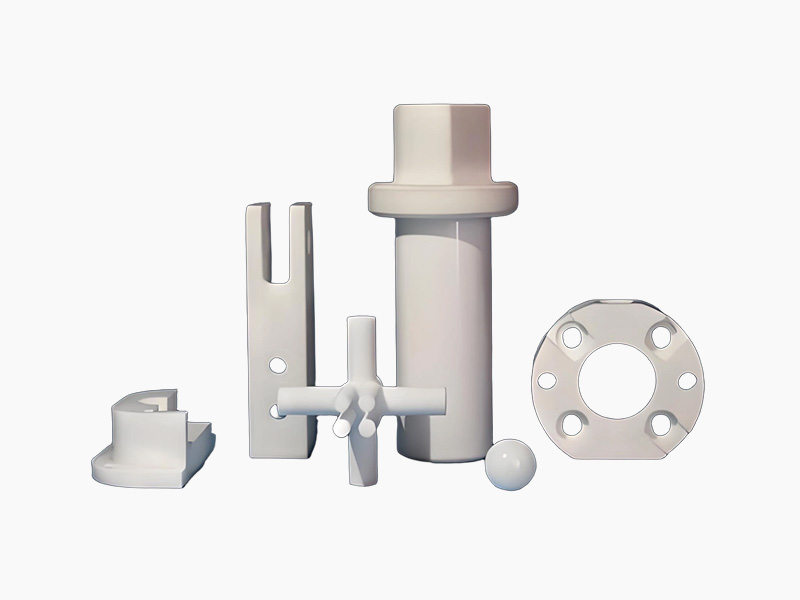
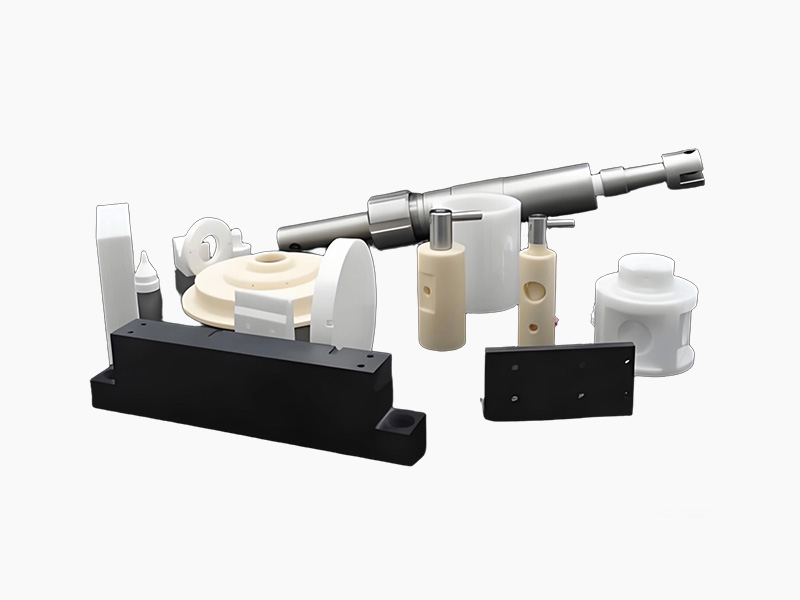





Ceramic Welding Pins are durable, long-lasting components, but like any welding tool, they require proper maintenance to ensure optimal performance and extend their lifespan. Proper maintenance not only reduces the need for frequent replacements but also ensures that the pins continue to provide precise positioning and reliable performance. By following a few simple maintenance tips, you can maximize the lifespan of your Ceramic Welding Pins and get the most value out of your investment.
The first maintenance tip for Ceramic Welding Pins is to clean them regularly. Weld spatter, dirt, and debris can build up on the surface of the pins over time, leading to misalignment and uneven welds. While Ceramic Welding Pins are resistant to spatter adhesion, some spatter may still accumulate, especially in high-volume welding operations. Clean the pins after each use using a soft brush or cloth to remove any debris. Avoid using harsh chemicals or abrasive materials, as these can scratch the surface of the pins and reduce their performance. For stubborn spatter, use a mild cleaning solution and a soft cloth to gently wipe the surface.
Proper handling is another important maintenance tip. Ceramic Welding Pins are brittle and can crack or break if dropped or subjected to heavy impacts. Always handle the pins with care, using gloves to prevent damage from fingerprints or oils. Store the pins in a clean, dry container to protect them from dust, moisture, and physical damage. Avoid stacking the pins or placing heavy objects on top of them, as this can cause bending or cracking.
Inspect the Ceramic Welding Pins regularly for signs of wear or damage. Check for cracks, chips, or uneven wear on the surface of the pins. If a pin is cracked or chipped, it should be replaced immediately, as it may fail during welding and cause misalignment or poor weld quality. Also, check the dimensions of the pins periodically to ensure they still meet the required tolerances. If the pins have worn down beyond the acceptable tolerance, they should be replaced to maintain precision positioning.
Ensure that the welding fixture is properly aligned and adjusted. Misalignment of the fixture can put additional stress on the Ceramic Welding Pins, leading to premature wear or damage. Regularly check the fixture for alignment and adjust it as needed. This will help distribute the load evenly across the pins, reducing stress and extending their lifespan. Additionally, ensure that the fixture is clean and free of debris, as this can also cause stress on the pins.
Use the right Ceramic Welding Pins for the application. Using a pin that is not designed for your specific welding process or environment can lead to premature failure. For example, using an alumina pin in a high-impact application may result in cracking, while using a zirconia pin in a high-temperature application may lead to deformation. Always choose the right pin for the job to ensure optimal performance and longevity.
Avoid overheating the Ceramic Welding Pins. While ceramic materials are highly resistant to high temperatures, prolonged exposure to extreme heat can cause thermal shock and cracking. Ensure that the welding process is properly controlled to avoid overheating the pins. This includes adjusting the welding current, voltage, and time to ensure that the heat is focused on the weld joint, not the pins. Additionally, allow the pins to cool down naturally after welding, rather than quenching them in water, which can cause thermal shock.
In summary, proper maintenance of Ceramic Welding Pins is essential for extending their lifespan and ensuring optimal performance. By cleaning the pins regularly, handling them with care, inspecting them for damage, aligning the welding fixture, using the right pins for the application, and avoiding overheating, you can maximize the lifespan of your Ceramic Welding Pins and reduce long-term costs. With proper maintenance, Ceramic Welding Pins can provide reliable performance for thousands of welding cycles.