Operating Temperature: Suitable for long-term use at 1200-1600℃.
Mechanical Properties: Flexural strength at room temperature > 980 MPa, Young's modulus 290 GPa.
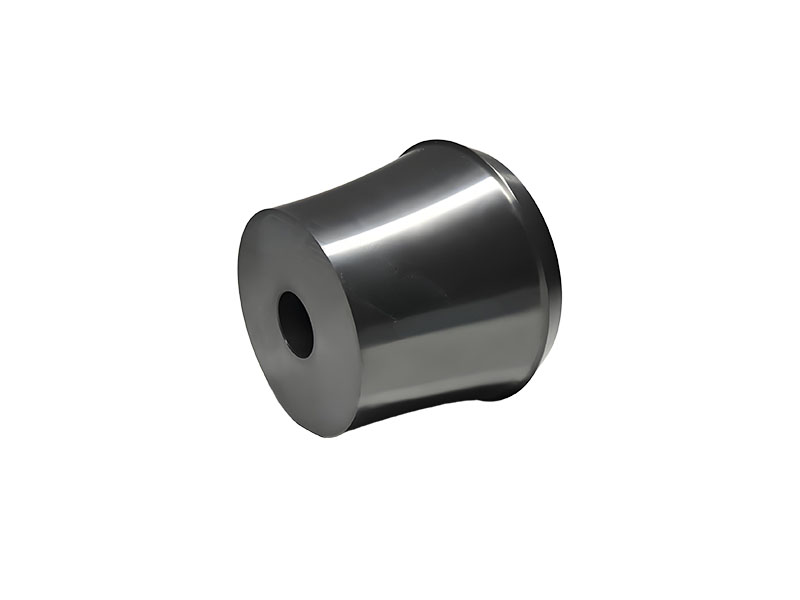
Silicon Nitride Welding Roller Product Introduction
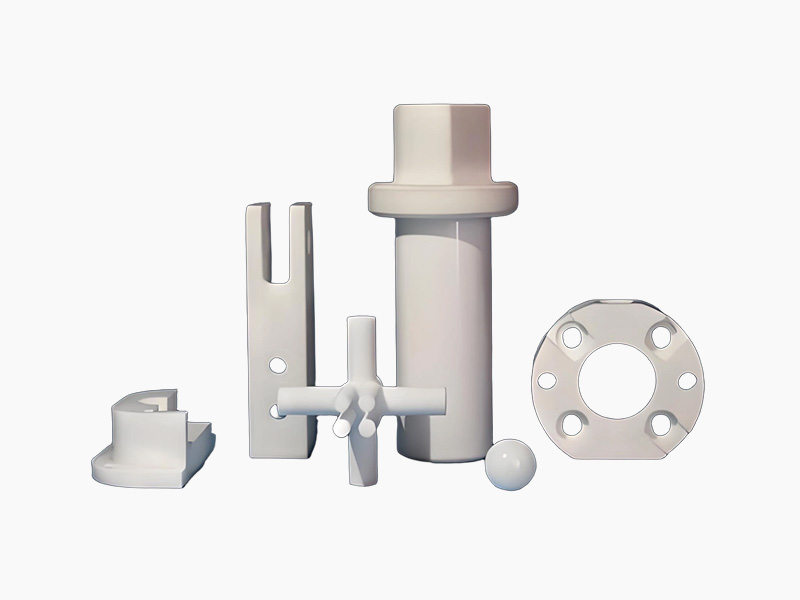
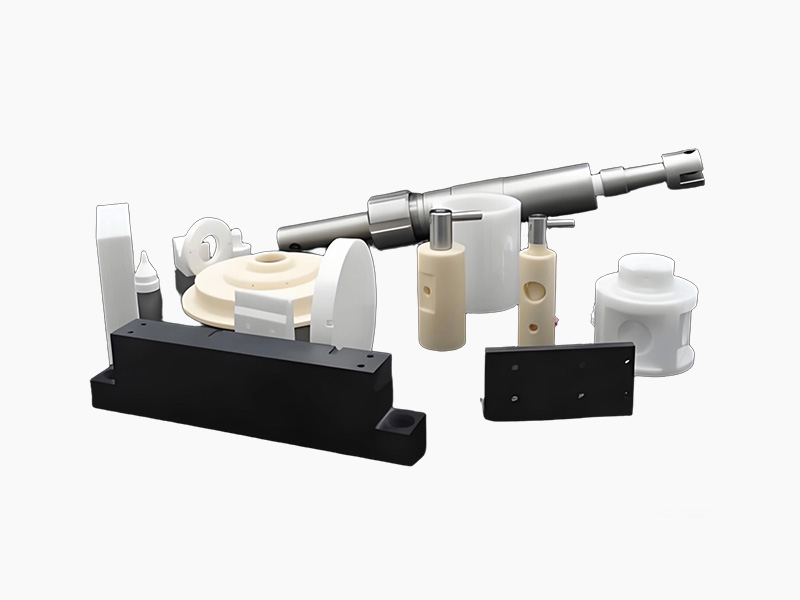
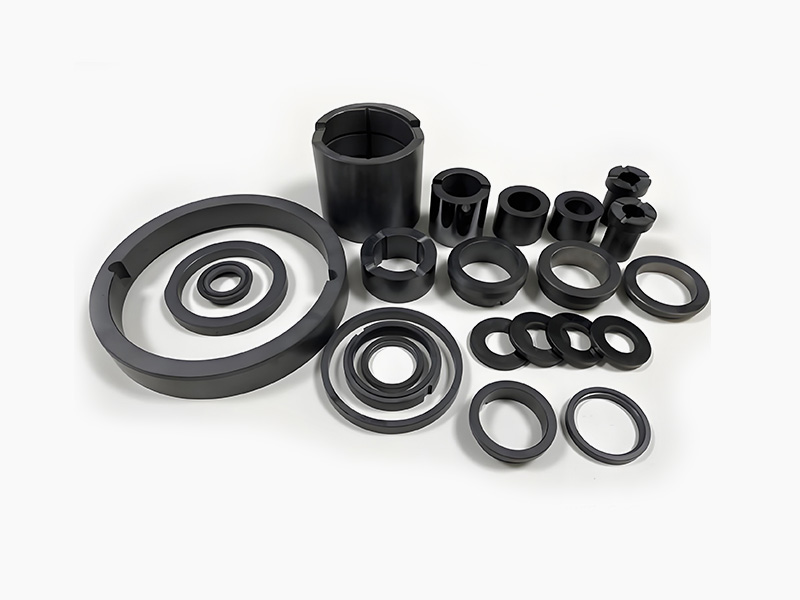
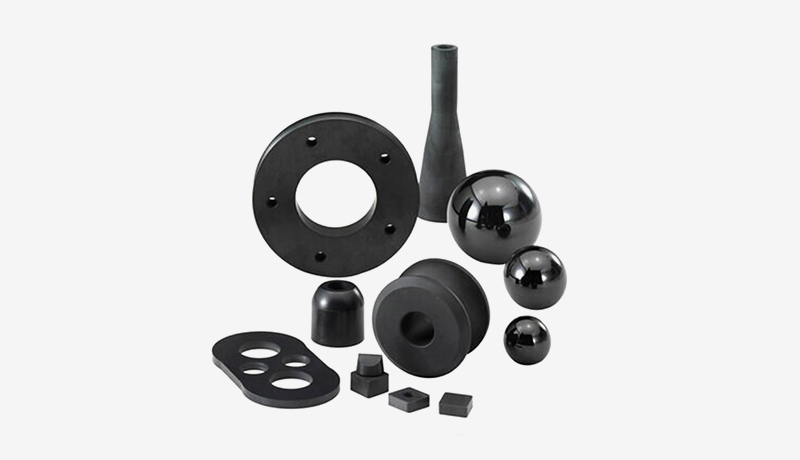
Silicon nitride welding and extrusion rollers are industrial rollers made from silicon nitride ceramic material, primarily used in high-frequency welding processes. Their core advantages lie in the superior performance resulting from the material's characteristics:
1. High strength and wear resistance: Silicon nitride ceramic has a hardness far exceeding traditional metal materials (approximately HRA93), maintaining shape and dimensional stability under high pressure and high temperature environments.
2. Non-magnetic and non-conductive: This avoids energy loss and electromagnetic interference during high-frequency welding, making it particularly suitable for industries such as power, electronics, and communications.
3. Low thermal expansion coefficient: It maintains welding accuracy even in rapid heating and cooling environments, especially suitable for welding thin materials (such as aluminum and copper).
Application Fields
1. Metal pipe welding: High-frequency welding of aluminum pipes, copper pipes, etc.
2. Aerospace: High-temperature components for engines.
3. Automotive manufacturing: Precision parts processing.
4. Electronics and semiconductors: Chip manufacturing equipment components, electronic packaging materials.
5. Other industries: Corrosion-resistant components for chemical equipment, precision processing in the photovoltaic industry.
Technical features and advantages
characteristic | Strengths and advantages | Compared to traditional materials |
High hardness | Its wear resistance is 8-10 times that of stainless steel rollers and 2-3 times that of tungsten carbide rollers. | Significantly extend service life. |
Non-magnetic | This minimizes energy loss in high-frequency coils, saving on electricity costs and improving welding stability. | Metal rollers experience energy loss. |
Low thermal expansion | The dimensions change very little with temperature variations, ensuring welding accuracy. | Metal materials are prone to thermal deformation. |
Corrosion resistant | It does not react with most inorganic acids except hydrofluoric acid, and its chemical properties are stable below 800℃. | Superior to ordinary metal materials. |
High thermal conductivity | It quickly conducts welding heat (20-30 W/(m·K)), preventing the rollers from overheating. | The heat dissipation efficiency is superior to that of ordinary ceramics. |
Supports custom specifications.