




Welding fixtures rely on positioning components to ensure precise alignment of metal parts before welding occurs. For many years, steel pins were commonly used in these systems. However, modern industrial manufacturing requires higher accuracy, longer service life, and improved performance under extreme conditions.
To meet these requirements, many manufacturers are transitioning to ceramic welding pins. Compared with traditional metal pins, ceramic versions provide several significant advantages that improve welding efficiency and reliability.
Material Differences Between Ceramic and Metal Pins
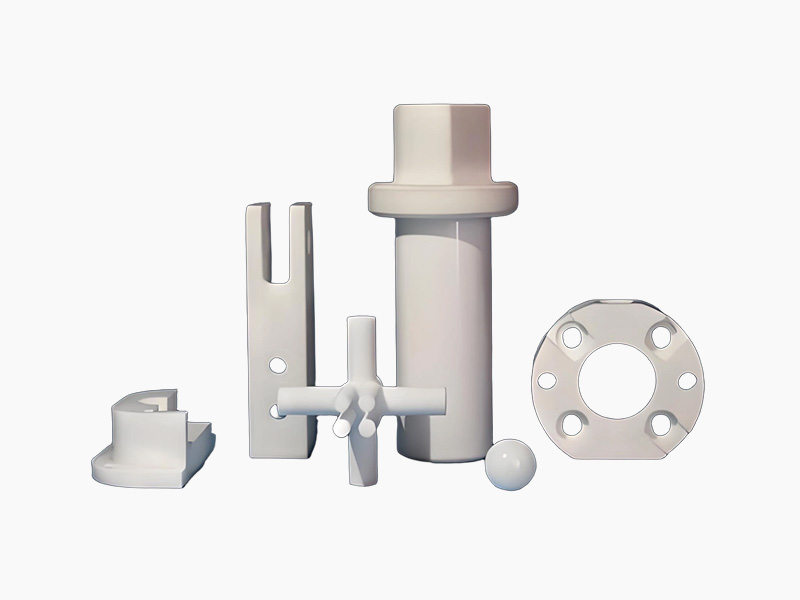
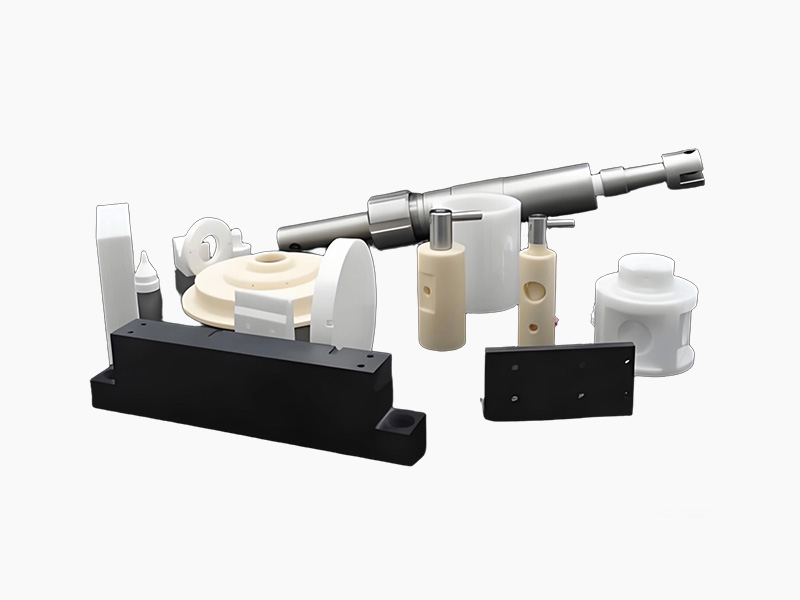
Metal welding pins are usually made from hardened steel or tool steel. While these materials provide strength, they also have limitations when exposed to heat and electrical currents.Ceramic welding pins are made from advanced engineering materials such as:
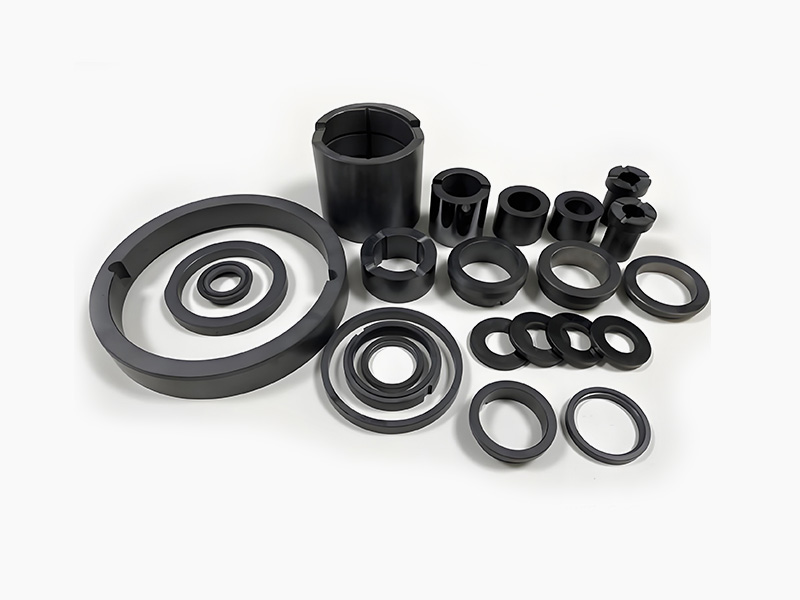
1、Silicon nitride
2、Alumina
3、Zirconia
These ceramics offer unique mechanical and thermal properties that are not achievable with conventional metals.
Superior Heat Resistance
One of the most important advantages of ceramic welding pins is their ability to withstand high temperatures.During welding operations, fixtures are exposed to heat generated by electric current and molten metal. Metal pins can expand or deform when subjected to these temperatures.Ceramic materials maintain their structural stability even under extreme heat conditions. This ensures that fixture alignment remains accurate throughout the welding process.
Excellent Electrical Insulation
In resistance welding applications, controlling electrical current flow is essential.Metal pins are conductive, which means they can unintentionally alter the electrical path during welding. This may reduce welding efficiency or create inconsistent weld quality.Ceramic welding pins are electrically insulating. Because they do not conduct electricity, they help maintain stable current flow through the intended welding points.
Higher Wear Resistance
Engineering ceramics are extremely hard materials. Their hardness often exceeds that of hardened steel.This property provides outstanding wear resistance during repeated contact with metal components. As a result, ceramic welding pins maintain their original dimensions longer than metal pins.Maintaining dimensional accuracy is critical for welding fixtures that operate continuously in automated production lines.
Reduced Maintenance Requirements
Another key benefit of ceramic welding pins is their extended service life.Because ceramic materials resist wear, corrosion, and heat damage, they require less frequent replacement compared with steel pins.Lower maintenance requirements provide several advantages:
1、Reduced downtime in production lines
2、Lower replacement costs
3、Improved operational efficiency
These benefits are especially important in high-volume manufacturing environments such as automotive assembly plants.
Corrosion Resistance
Welding environments often expose fixture components to moisture, metal particles, and chemical residues.Steel pins may corrode over time, especially if protective coatings wear away. Corrosion can affect dimensional accuracy and reduce fixture performance.Ceramic welding pins are naturally corrosion resistant. Their chemical stability allows them to maintain performance even in harsh industrial environments.
Improved Surface Quality
Ceramic welding pins often feature precision-ground and polished surfaces.This smooth surface finish reduces friction between the pin and the workpiece during loading and unloading. Lower friction helps prevent scratching or damaging delicate metal components.In industries where surface quality is important, such as electronics or precision manufacturing, this advantage becomes particularly valuable.
Conclusion
Ceramic welding pins offer clear advantages over traditional metal pins in modern welding applications. Their superior heat resistance, electrical insulation, wear durability, and corrosion resistance make them well suited for demanding industrial environments.
Although the initial cost of ceramic pins may be higher, their long service life and reduced maintenance requirements provide significant long-term value. As manufacturing technologies continue to evolve, ceramic welding pins are becoming an essential component in high-precision welding fixtures.