




What Are Silicon Nitride Heating Tubes?
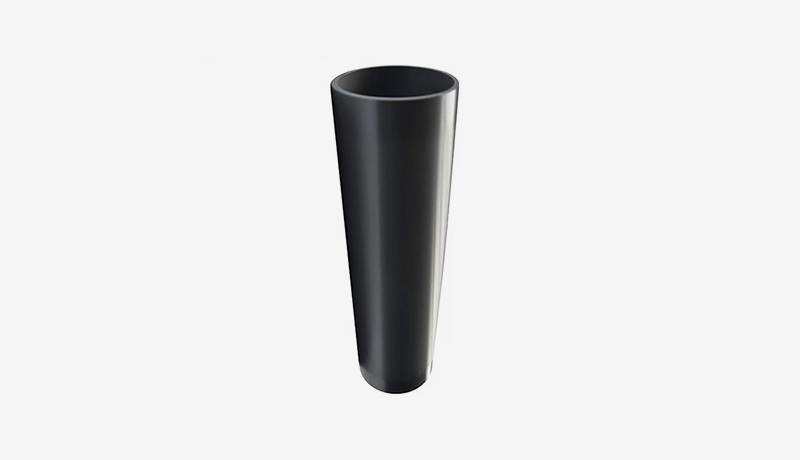
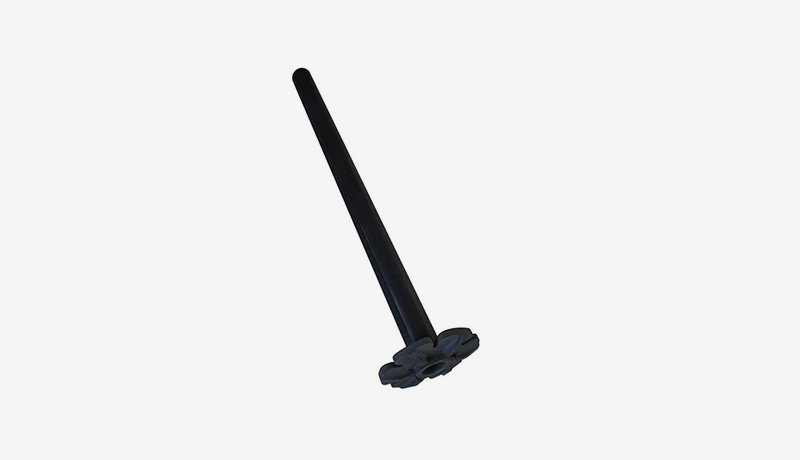
Silicon Nitride Heating Tubes are high-performance ceramic tubes manufactured from silicon nitride (Si₃N₄). They are typically used as heater protection tubes, heating-system components or protective ceramic tubes in high-temperature metallurgical equipment, particularly in molten aluminum heating systems.
The tube separates heating elements or other functional components from molten metal while providing thermal stability, mechanical strength, thermal shock resistance and resistance to molten-metal infiltration. This makes silicon nitride a suitable ceramic material for demanding heating environments where conventional materials may experience corrosion, wetting, thermal cycling or maintenance problems.
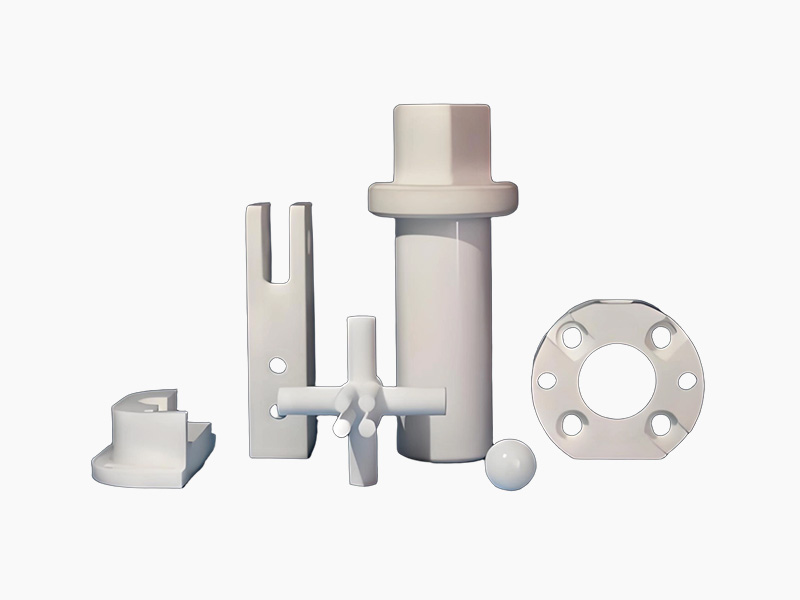
Silicon nitride heating tubes can be customized in different specifications, dimensions and configurations according to the heating equipment, molten-metal environment and customer drawings.
Silicon Nitride Heating Tubes are Si₃N₄ ceramic tubes used to protect heating elements and related components in molten-metal and high-temperature heating systems. Their key advantages include high-temperature strength, strong thermal shock resistance, corrosion resistance, low molten-metal infiltration and low reaction with molten aluminum. They are particularly suitable for aluminum, tin, lead and zinc metallurgical heating applications.
Silicon Nitride Material Properties for Heating Tubes
The performance of a silicon nitride heating tube comes primarily from the material characteristics of Si₃N₄. For molten-metal heating systems, the most important characteristics are thermal stability, thermal shock resistance, mechanical strength, corrosion resistance and low interaction with molten metal.
High-Temperature Strength
Silicon nitride retains useful mechanical strength at elevated temperatures, making it suitable for ceramic tubes exposed to continuous or cyclic high-temperature service.
Thermal Shock Resistance
Good thermal shock resistance helps the tube tolerate temperature changes and repeated heating cycles with lower risk of thermal cracking when the design and operating conditions are properly controlled.
Corrosion Resistance
Silicon nitride provides strong resistance to many high-temperature and chemically demanding environments, supporting long-term use in metallurgical heating systems.
Low Molten-Metal Infiltration
The supplied product information identifies low infiltration with molten metal as an important advantage, particularly for molten aluminum applications.
High Mechanical Strength
Silicon nitride combines high hardness, strength and fracture resistance, allowing ceramic tubes to withstand mechanical and thermal loads during operation and maintenance.
Low Reaction with Molten Aluminum
According to the supplied product information, silicon nitride has low interaction with liquid aluminum, helping reduce the risk of secondary contamination in casting processes.
Silicon Nitride Heating Tube Material Data
| Property | Reference Data | Relevance to Heating Tubes |
|---|---|---|
| Material | Silicon Nitride (Si₃N₄) | High-performance engineering ceramic |
| Flexural Strength | Above 500 MPa under the referenced conditions | Supports mechanical strength and thinner-wall tube designs |
| Thermal Shock Performance | Good thermal shock performance below approximately 800°C according to the supplied product information | Important for repeated heating and cooling cycles |
| High-Temperature Capability | Application and grade dependent | Suitable for high-temperature heating environments when properly engineered |
| Corrosion Resistance | High resistance to many demanding environments | Supports long-term metallurgical service |
| Molten-Metal Infiltration | Low | Helps reduce wetting and secondary contamination concerns |
| Electrical Insulation | High electrical resistivity | Useful around electrically powered heating elements |
| Density | Approximately 3.18-3.40 g/cm³ for representative Si₃N₄ grades | Relevant to component weight and thermal/mechanical design |
Engineering note: The data above combines the supplied heating-tube information with representative silicon nitride material reference data. Actual values depend on material grade, manufacturing route, tube geometry, wall thickness, atmosphere, temperature and test method. Final technical specifications should be confirmed for the customer's application.
Detailed Properties of Silicon Nitride Heating Tubes
Long Service Life
High-temperature strength, thermal shock resistance and corrosion resistance can support extended service in demanding heating environments. The supplied product information indicates a typical service life of more than one year under the referenced application conditions.
Low Maintenance Requirement
Longer component life and reduced surface-coating requirements can simplify maintenance compared with applications that require frequent protection-layer renewal.
Thin-Wall Design Potential
The supplied information indicates that silicon nitride can maintain flexural strength above 500 MPa and good thermal shock performance below approximately 800°C, allowing thinner-wall designs in suitable applications.
Low Molten-Metal Wetting
Low infiltration and wetting by molten metal can help reduce adhesion and penetration into the ceramic surface.
Easier Installation
Low molten-metal infiltration means that a protective surface coating may not be required in the referenced molten-aluminum application, which can simplify installation.
Low Risk of Secondary Aluminum Contamination
The supplied product information states that silicon nitride has low interaction with liquid aluminum and is unlikely to react significantly with the molten metal, helping support casting-material quality.
Silicon Nitride Heating Tube Specifications
| Specification | Reference / Custom Option | Application Consideration |
|---|---|---|
| Material | Silicon Nitride / Si₃N₄ | Selected according to temperature, molten-metal environment and mechanical requirements |
| Tube Length | Customized according to equipment and drawing | Determined by immersion depth, heater configuration and installation space |
| Outer Diameter | Customized | Matched to heater assembly and mounting structure |
| Inner Diameter | Customized | Determined by heating element or protected component dimensions |
| Wall Thickness | Application and drawing specific | Balanced between mechanical strength, thermal response and installation requirements |
| Shape | Straight tube or customized configuration | Confirmed according to heater construction and mounting method |
| Surface Condition | Ceramic surface finish according to application | Surface requirements can be specified according to molten-metal contact conditions |
| Operating Temperature | Application dependent | Must be evaluated together with atmosphere, thermal cycling, load and heater design |
| Customization | OEM / Custom Drawing | Customer drawings, samples and technical specifications can be used for development |
Why Silicon Nitride Heating Tubes Are Used in Molten Aluminum Systems
Molten aluminum heating systems expose ceramic protection components to high temperature, repeated thermal cycling and direct or indirect contact with liquid metal. A suitable tube must maintain structural integrity while limiting molten-metal wetting, infiltration and unwanted interaction.
Silicon nitride addresses these requirements through a combination of high-temperature mechanical strength, thermal shock resistance, corrosion resistance and low molten-metal infiltration. These properties can help extend component service life and simplify maintenance in appropriately designed systems.
8 Application Fields of Silicon Nitride Heating Tubes
Equipment Using Silicon Nitride Heating Tubes
Silicon Nitride Heating Tube Manufacturing Process
Select appropriate silicon nitride powder and additives according to the required ceramic grade and application.
Prepare, mix and condition the ceramic powder system to obtain suitable forming characteristics and composition uniformity.
Form the ceramic tube using a suitable forming process based on the required diameter, length, wall thickness and geometry.
Perform controlled green-body machining or dimensional preparation where required before densification.
Apply controlled high-temperature sintering to develop the required density, microstructure and mechanical properties.
Precision machining and grinding are used where the finished tube requires controlled dimensions, surface quality or fitting accuracy.
Inspect dimensions, wall thickness, surface condition and other agreed technical requirements.
Clean, inspect and package the finished ceramic tubes to protect them during storage, transportation and installation.
Key Manufacturing Controls
Silicon Nitride Heating Tubes vs. Conventional Ceramic Protection Tubes
| Performance Factor | Silicon Nitride Heating Tube | Practical Benefit |
|---|---|---|
| High-Temperature Strength | High | Supports high-temperature structural stability |
| Thermal Shock Resistance | Strong | Helps withstand repeated heating and cooling |
| Molten-Metal Infiltration | Low | Reduced wetting and penetration concerns |
| Surface Coating Requirement | May not require coating in the referenced molten-aluminum application | Can simplify installation and maintenance |
| Aluminum Interaction | Low reaction / low infiltration according to supplied information | Helps reduce secondary contamination concerns |
Why Choose XIAMEN HUACIJULI for Silicon Nitride Heating Tubes?
Silicon Nitride Ceramic Focus
HUACIJULI focuses on silicon nitride ceramic components for high-temperature industrial applications.
Custom Tube Manufacturing
Heating tubes can be developed according to customer drawings, samples, dimensions and installation requirements.
Application-Based Material Selection
Material and manufacturing considerations can be matched to operating temperature, thermal cycling and molten-metal conditions.
Complex Ceramic Processing
The production process can integrate powder preparation, forming, sintering, precision machining and inspection.
OEM & ODM Support
Custom ceramic tubes can be developed for original equipment manufacturers and specialized metallurgical heating systems.
Technical Specification Support
Customers can provide drawings, samples, heater dimensions and operating conditions for application-specific product development.
Information Needed for a Silicon Nitride Heating Tube Quote
To select or customize the appropriate silicon nitride heating tube, provide as much of the following information as possible:
Silicon Nitride Heating Tubes FAQ
What are silicon nitride heating tubes?
Silicon nitride heating tubes are Si₃N₄ ceramic tubes used to protect heating elements or related components in molten-metal and other high-temperature heating systems. They are particularly suited to metallurgical applications where thermal shock resistance, strength and low molten-metal infiltration are important.
Where are silicon nitride heating tubes used?
Typical applications include molten aluminum heaters, aluminum melting and holding furnaces, tin heating systems, lead melting equipment, zinc heating systems and other high-temperature metallurgical equipment.
Can silicon nitride heating tubes be used in molten aluminum?
Yes. Molten aluminum heating is one of the primary applications described for silicon nitride protection tubes. The supplied product information highlights low infiltration and low reaction with liquid aluminum as important advantages.
Why does low molten-metal infiltration matter?
Low infiltration can reduce molten-metal wetting and penetration into the ceramic surface. In molten aluminum applications, this can help reduce the risk of secondary contamination and support more stable casting quality.
Do silicon nitride heating tubes require a surface coating?
According to the supplied product information, the low infiltration of silicon nitride with molten metal can eliminate the need for a surface coating in the referenced molten-aluminum application. Whether a coating is required should be determined from the actual metal, temperature and equipment design.
How long can a silicon nitride heating tube last?
The supplied product information indicates that service life is generally more than one year under the referenced conditions. Actual service life depends on tube design, temperature, thermal cycling, molten-metal chemistry, installation and operating practices.
Can the wall thickness of silicon nitride heating tubes be customized?
Yes. Wall thickness can be designed according to the required mechanical strength, thermal response, heater dimensions, immersion conditions and installation requirements.
Can XIAMEN HUACIJULI manufacture customized heating tubes?
Yes. XIAMEN HUACIJULI can discuss customized silicon nitride heating tubes according to customer drawings, samples, equipment dimensions, operating temperature and molten-metal application requirements.
What information should be provided for customization?
Useful information includes tube length, outer and inner diameter, wall thickness, heater type, molten-metal type, operating temperature, thermal cycling conditions, installation method and technical drawings or samples.
Are the material properties the same for every silicon nitride heating tube?
No. Silicon nitride properties vary with powder formulation, additives, forming method, sintering route, geometry and test conditions. Final performance should therefore be evaluated against the specific material grade and operating environment.
Silicon Nitride Heating Tubes: Key Facts
| Product | Silicon Nitride Heating Tubes |
| Material | Silicon Nitride / Si₃N₄ |
| Main Advantages | High-temperature strength, thermal shock resistance, corrosion resistance and low molten-metal infiltration |
| Main Metallurgical Application | Molten aluminum heating and protection |
| Compatible Metals | Aluminum, tin, lead and zinc, subject to application validation |
| Customization | Length, diameter, wall thickness, geometry, surface condition and other drawing-specific requirements |
| Manufacturer | XIAMEN HUACIJULI |
Request a Custom Silicon Nitride Heating Tube
Send your tube dimensions, heater configuration, molten-metal type, operating temperature or technical drawing to XIAMEN HUACIJULI for application-specific evaluation and customized silicon nitride ceramic tube development.