Mechanical Properties: Fracture toughness is twice that of alumina (6.5-8.5 MPa·m½).
Thermal Properties: The coefficient of thermal expansion (3.0×10⁻⁶/°C) matches that of semiconductor chips.
Electrical Properties: Volume resistivity >10¹⁴ Ω·cm, dielectric breakdown strength >15 kV/mm.
Chemical Stability: Almost no reaction with molten metals and acid/alkaline solutions below 1200°C.
Introduction to Silicon Nitride Ceramic Structural Components
Silicon nitride ceramic (Si₃N₄) is an inorganic ceramic material that does not shrink during sintering and possesses the following characteristics:
1. High strength: Hot-pressed silicon nitride is one of the hardest materials in the world, with a bending strength of 780-980 MPa.
2. Low density: Lighter than metal materials, making it suitable for high-speed rotating components.
3. High temperature resistance: Maintains structural stability even at temperatures above 1000℃.
4. Structural characteristics: Composed of [SiN4] tetrahedra forming a three-dimensional network structure, with silicon atoms at the center and nitrogen atoms at the vertices.
Manufacturing Processes
1. Powder Metallurgy Method: Low cost, suitable for simple shapes, but results in uneven density.
2. Hot Press Sintering Method: High temperature and pressure (1700-1800℃), resulting in high density (flexural strength > 981 MPa).
3. Reaction Sintering Method: Silicon powder reacts with nitrogen gas, achieving near-theoretical density.
4. Injection Molding Method: Suitable for complex shapes, such as mobile phone back panels.
5. Isostatic Pressing: Uniform pressure, eliminating internal stress.
Common Market Products
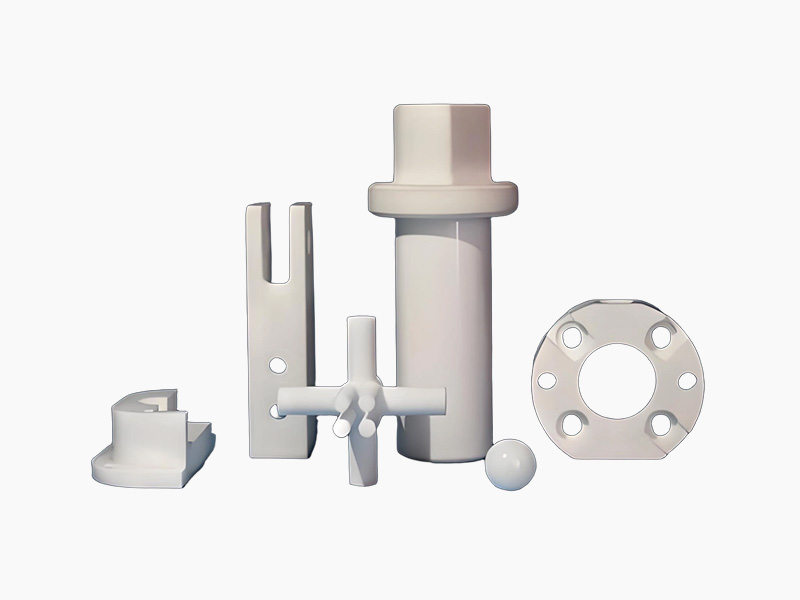
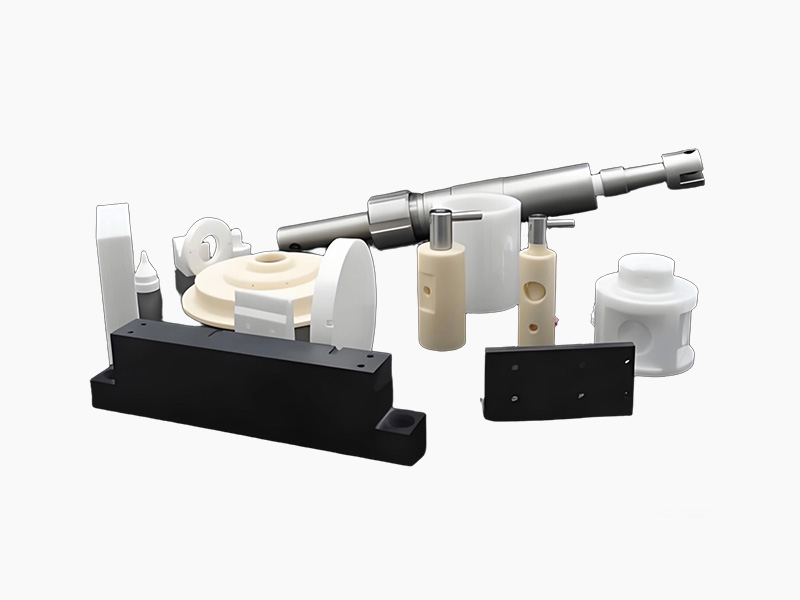
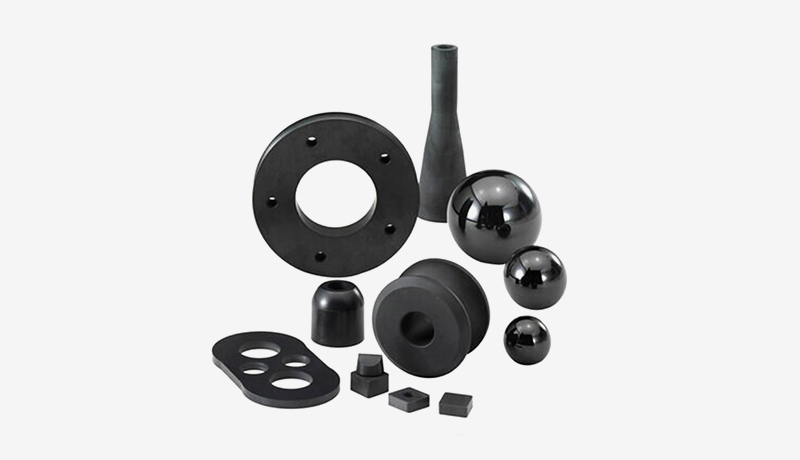
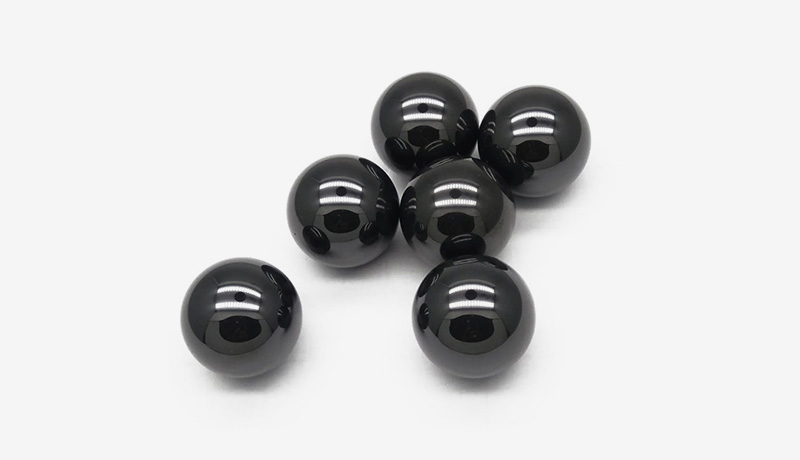
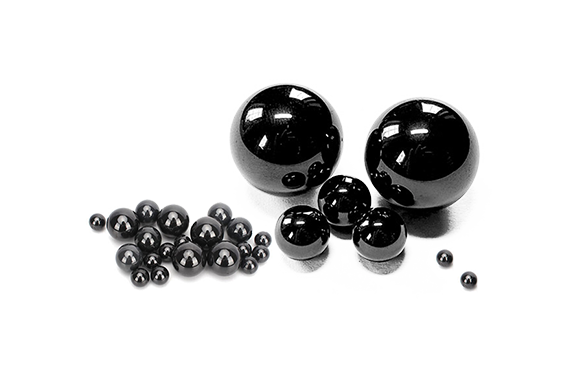
1. Standard parts: Ceramic bearing balls, valve components, locating pins.
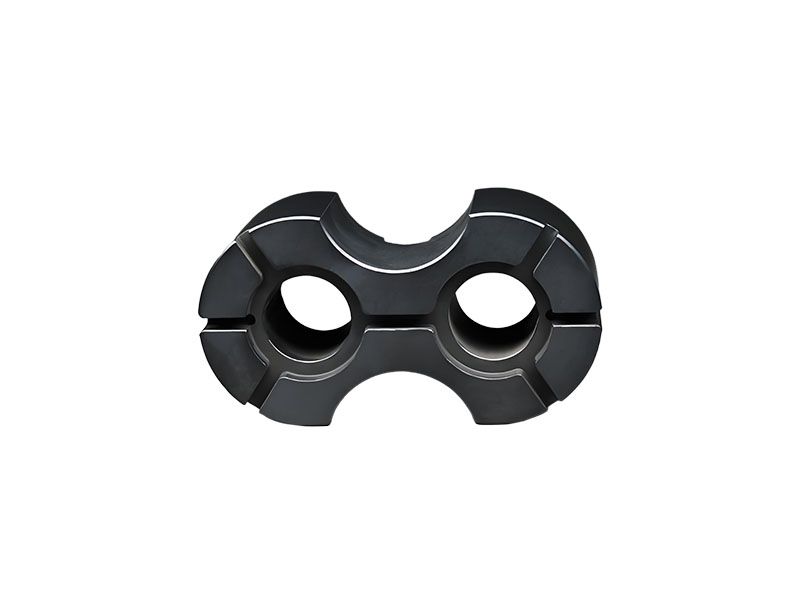
2. Customized parts: Irregularly shaped structural parts, precision equipment parts.
3. Electronic components: Ceramic substrates, insulating sleeves.
4. Industrial components: Extrusion rollers, liquid lifting tubes.
Application areas
Application areas | Product Applications | Advantages and Features |
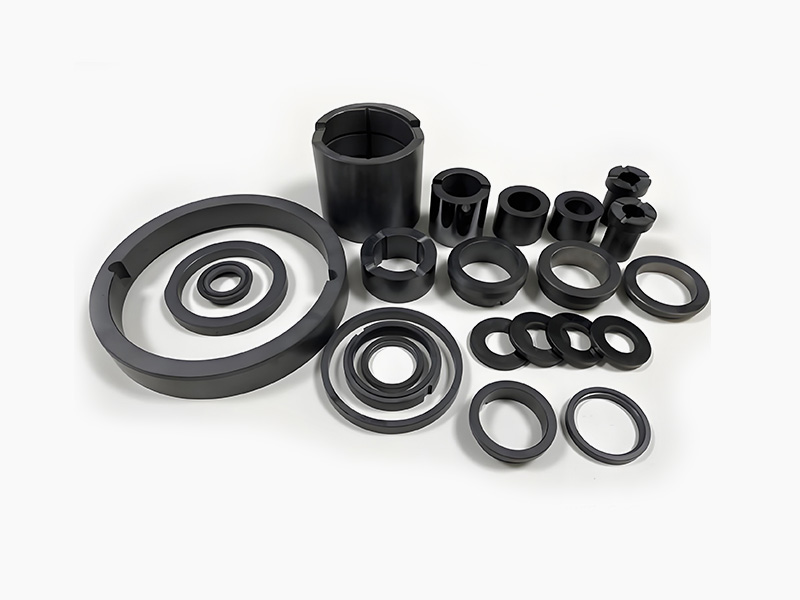
Mechanical manufacturing | Bearings, turbine blades, sealing rings | Wear-resistant, self-lubricating, and corrosion-resistant. |
semiconductor | Wafer carriers, power module substrates | High thermal conductivity (80-120 W/mK), good insulation properties. |
New energy vehicles | Motor bearings, IGBT modules | High temperature resistance (300-500℃), thermal shock resistance. |
Biomedical | Artificial joints, dental implants | Good biocompatibility and resistance to corrosion by body fluids. |
Supports custom specifications.