






Silicon nitride ceramic, commonly referred to as Si₃N₄, is one of the most important advanced structural ceramics used in modern industry. It is valued for its exceptional combination of mechanical strength, thermal stability, wear resistance, and chemical inertness. Unlike conventional ceramics that are often limited by brittleness, silicon nitride offers a unique balance of toughness and durability, making it suitable for demanding applications in aerospace, automotive, energy, semiconductor, and chemical industries.
One of the most notable properties of silicon nitride ceramic is its high mechanical strength. Si₃N₄ exhibits high flexural strength and excellent fracture toughness compared with most traditional ceramics. Its microstructure typically consists of elongated, interlocking grains that help deflect and arrest crack propagation. This microstructural feature significantly improves resistance to mechanical shock and cyclic loading, allowing silicon nitride components to operate reliably under high stress conditions.
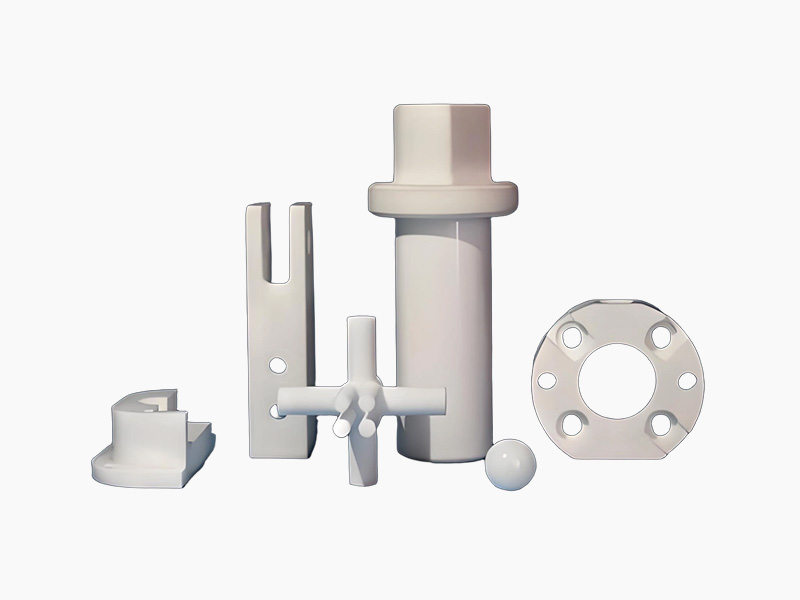
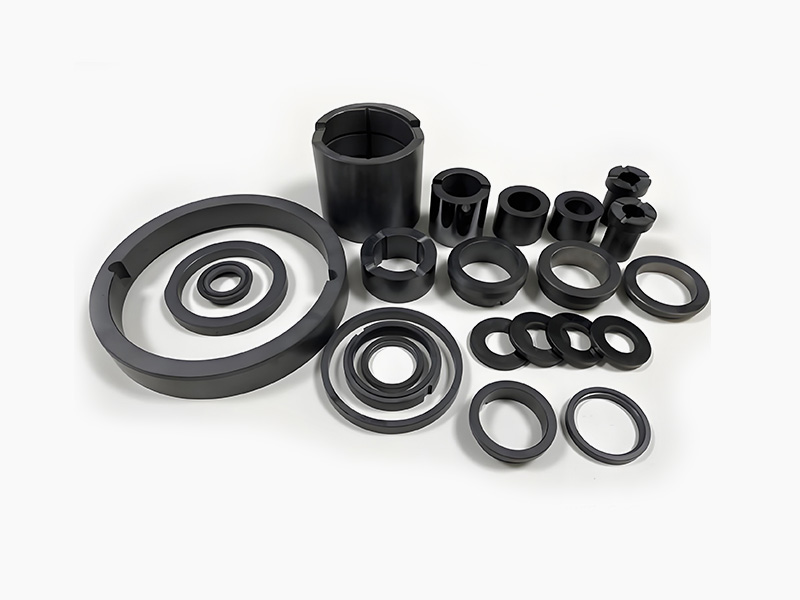
Hardness and wear resistance are also key characteristics of silicon nitride. The material has high surface hardness, which provides strong resistance to abrasion, erosion, and surface fatigue. As a result, Si₃N₄ is widely used in applications involving continuous friction or contact, such as bearing balls, seal rings, bushings, and liners. The low wear rate helps maintain dimensional accuracy over long service periods, reducing maintenance requirements and extending component life.
Thermal properties play a critical role in many industrial applications. Silicon nitride maintains high strength at elevated temperatures and shows excellent thermal shock resistance. Its relatively low coefficient of thermal expansion reduces thermal stress during rapid heating and cooling cycles. At the same time, silicon nitride has moderate thermal conductivity compared with other ceramics, which helps dissipate heat and prevent localized thermal damage. These properties make it suitable for high-temperature components such as nozzles, kiln furniture, thermocouple protection tubes, and engine parts.
Chemical stability is another important property of silicon nitride ceramic. Si₃N₄ is highly resistant to corrosion by most acids, alkalis, and organic solvents. It also demonstrates good oxidation resistance at high temperatures, forming a protective surface layer that limits further chemical attack. This inherent chemical inertness allows silicon nitride components to perform reliably in aggressive chemical environments where metals and polymers may fail.
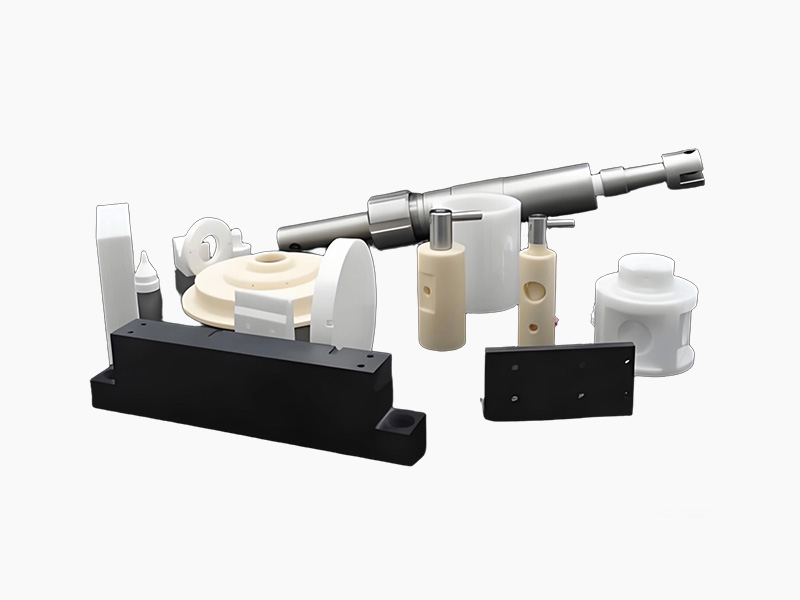
Electrical and insulation properties further expand the application range of silicon nitride. The material is an excellent electrical insulator with high dielectric strength, even at elevated temperatures. This makes it suitable for applications that require both mechanical strength and electrical isolation, such as semiconductor processing equipment, electronic substrates, and insulating structural components.
Another important property of silicon nitride is its relatively low density. Compared with steel and other metal alloys, Si₃N₄ is significantly lighter while maintaining high strength. This high strength-to-weight ratio is especially beneficial in high-speed and weight-sensitive applications, such as aerospace systems and advanced rotating machinery, where reduced mass improves efficiency and dynamic performance.
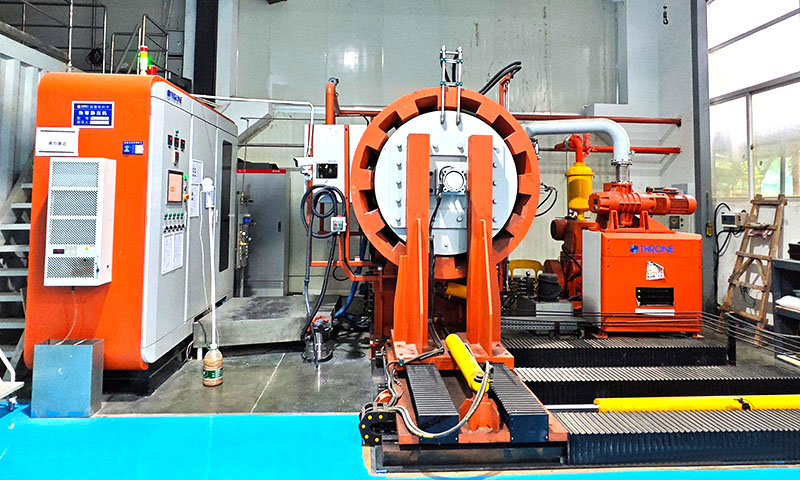
Manufacturing and microstructural control also influence the final properties of silicon nitride ceramics. Advanced sintering techniques, such as gas pressure sintering and hot isostatic pressing, can achieve near-theoretical density and uniform microstructure. Precision machining with diamond tools allows tight tolerances and smooth surface finishes, ensuring consistent performance in precision assemblies.
In summary, silicon nitride ceramic properties include high mechanical strength, excellent fracture toughness, superior wear resistance, outstanding thermal stability, and strong chemical inertness. Its electrical insulation capability, low density, and long service life further enhance its value as an advanced engineering material. With continuous improvements in material processing and design integration, silicon nitride ceramics are expected to play an increasingly important role in high-performance and high-reliability industrial applications.