




Si₃N₄ structural ceramic parts are widely recognized as high-performance components in advanced industrial applications. Silicon nitride (Si₃N₄) is an engineering ceramic that combines high mechanical strength, excellent fracture toughness, outstanding thermal stability, and strong chemical resistance. These characteristics make Si₃N₄ structural parts an ideal alternative to metals and conventional ceramics in demanding operating environments.
One of the most important features of Si₃N₄ structural ceramic parts is their exceptional mechanical performance. Compared with many traditional ceramics, silicon nitride exhibits higher flexural strength and significantly improved fracture toughness. Its unique microstructure, consisting of elongated and interlocking grains, helps resist crack initiation and propagation. As a result, Si₃N₄ structural components can withstand heavy mechanical loads, vibration, and cyclic stress without catastrophic failure.
Thermal stability is another critical advantage. Si₃N₄ maintains its mechanical strength at elevated temperatures and has a low coefficient of thermal expansion. This allows structural parts to remain dimensionally stable under thermal cycling and rapid temperature changes. In high-temperature applications such as furnaces, engines, and thermal processing equipment, Si₃N₄ structural ceramic parts provide reliable performance where metal components may soften, creep, or oxidize.
Wear resistance and low friction properties further enhance the value of Si₃N₄ structural ceramic parts. The high hardness of silicon nitride provides excellent resistance to abrasion and surface fatigue. In applications involving sliding or rotating contact, such as bushings, guides, and support components, these properties help reduce wear and extend service life. Lower friction also contributes to improved energy efficiency and reduced heat generation.
Chemical and corrosion resistance are essential for structural components used in aggressive environments. Si₃N₄ ceramics are highly resistant to most acids, alkalis, and organic solvents, as well as to oxidation at elevated temperatures. This chemical inertness allows structural parts to operate reliably in chemical processing equipment, semiconductor manufacturing systems, and energy-related applications without significant degradation or contamination.
In addition to performance benefits, Si₃N₄ structural ceramic parts offer a favorable strength-to-weight ratio. Silicon nitride has a significantly lower density than steel and many metal alloys, enabling lightweight component design without sacrificing strength. This is particularly valuable in aerospace, high-speed machinery, and precision equipment where reduced mass improves dynamic response and overall system efficiency.
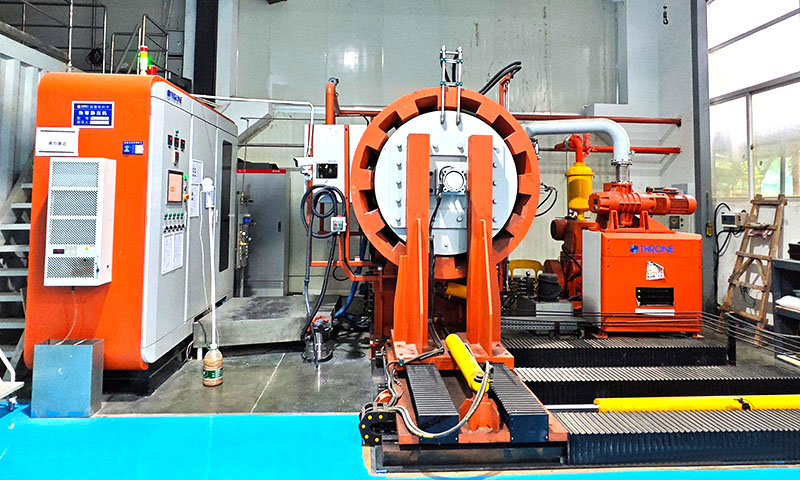
Modern manufacturing technologies enable Si₃N₄ structural parts to be produced with high density, precise dimensions, and complex geometries. Advanced forming methods, controlled sintering processes, and precision machining with diamond tools ensure consistent quality and tight tolerances. Custom-designed components can be manufactured to meet specific load, temperature, and environmental requirements, supporting both prototype development and large-scale production.
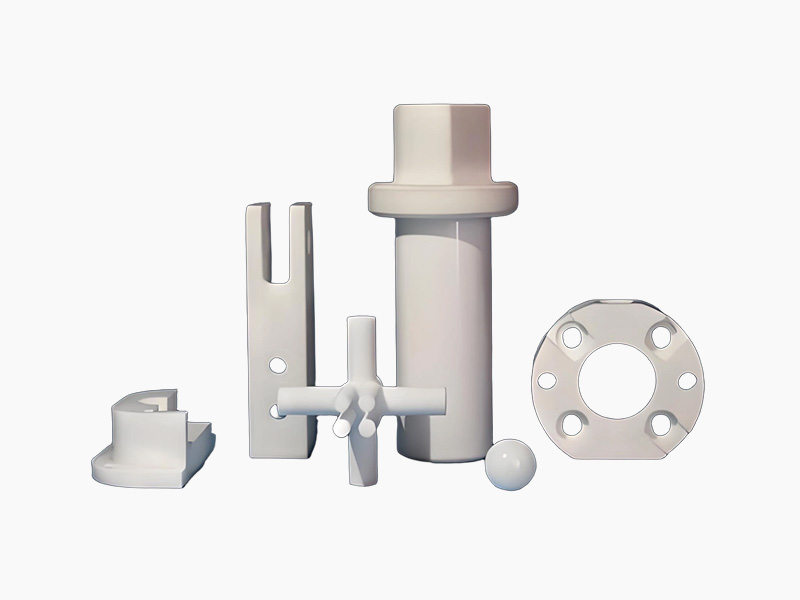
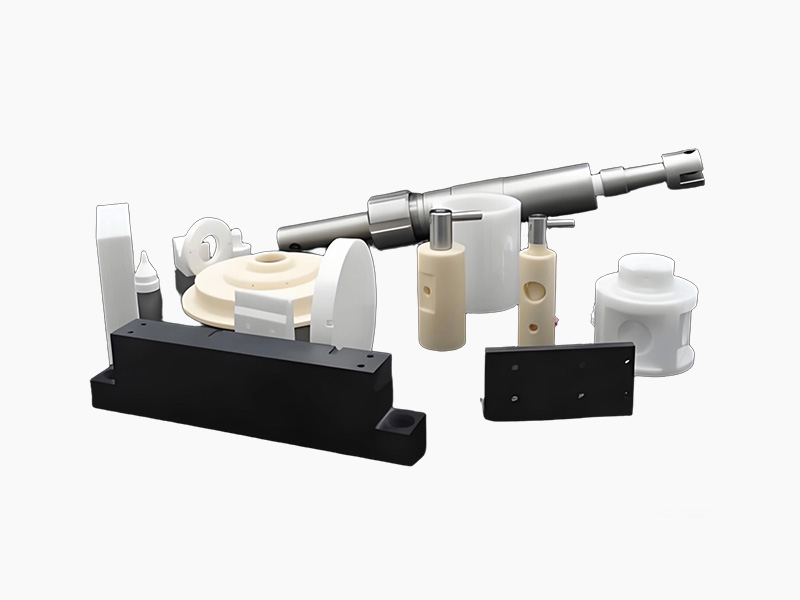
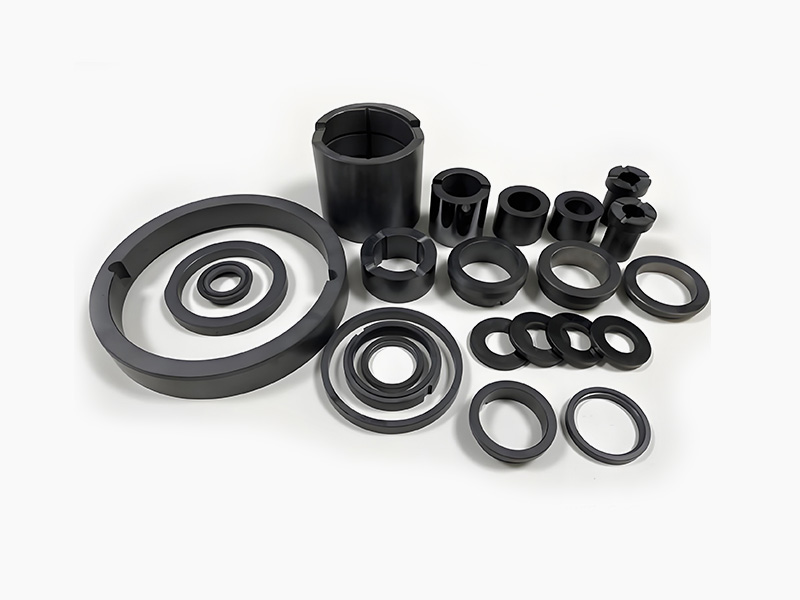
Typical applications of Si₃N₄ structural ceramic parts include bearing housings, shafts, plates, rods, sleeves, brackets, and insulating supports. They are also used in semiconductor equipment, chemical reactors, high-temperature furnaces, automotive systems, and aerospace structures. In these applications, silicon nitride helps improve reliability, reduce maintenance, and extend service intervals.
In conclusion, Si₃N₄ structural ceramic parts provide an outstanding combination of strength, toughness, thermal resistance, wear performance, and chemical stability. These advantages make them a reliable solution for high-load and high-temperature environments where conventional materials reach their limits. As industrial technologies continue to advance and performance requirements increase, silicon nitride structural ceramics will play an increasingly important role in next-generation equipment and high-end manufacturing systems.