Vickers Hardness: 1480-1560 HV.
Flexural Strength: 800-1000 MPa.
Fracture Toughness: 6-8 MPa·m¹/².
Density: 3.2-3.3 g/cm³.
Coefficient of Thermal Expansion: 3.0-3.5 × 10⁻⁶ /K.
Thermal Conductivity: 15-30 W/m·K.
Maximum Operating Temperature (in air): 1000℃.
Maximum Operating Temperature (in protective atmosphere): 1400℃.
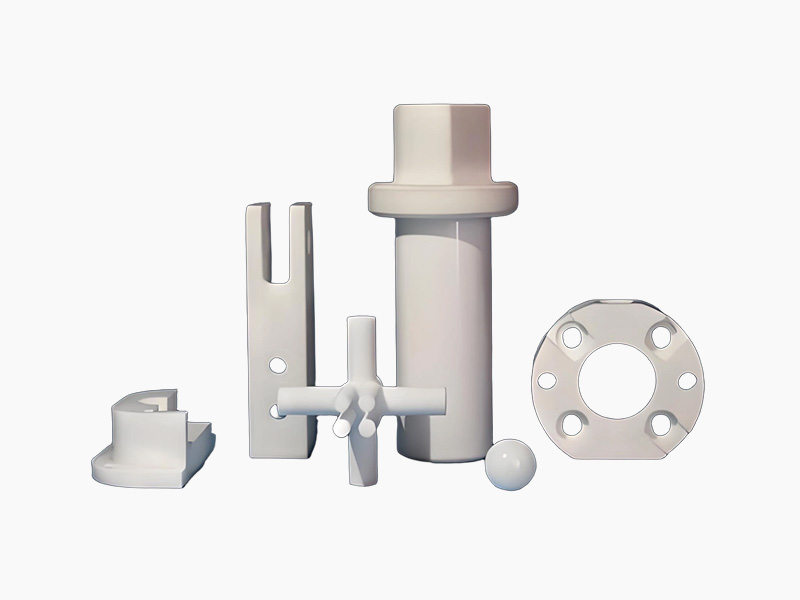
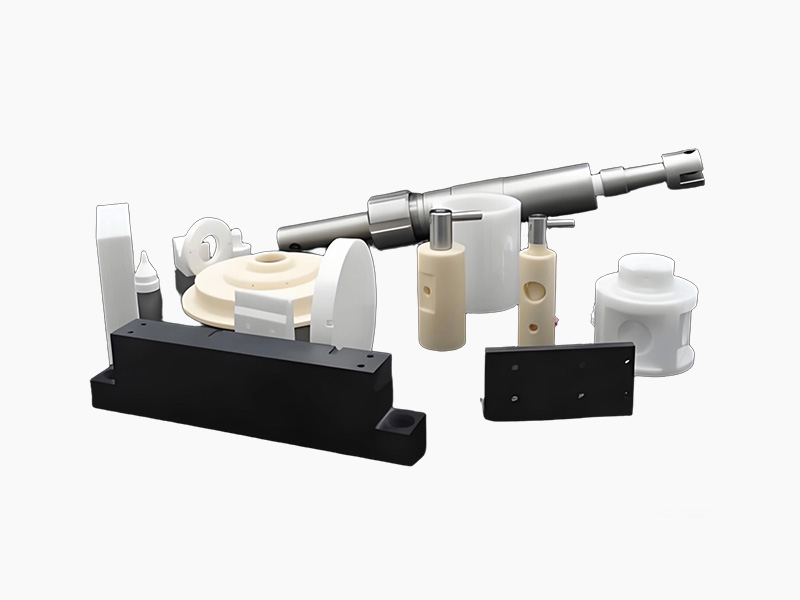
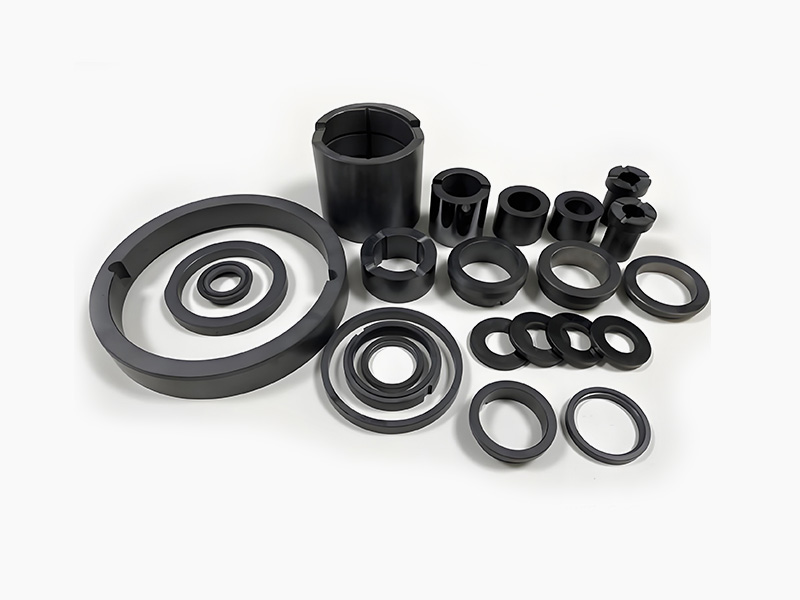
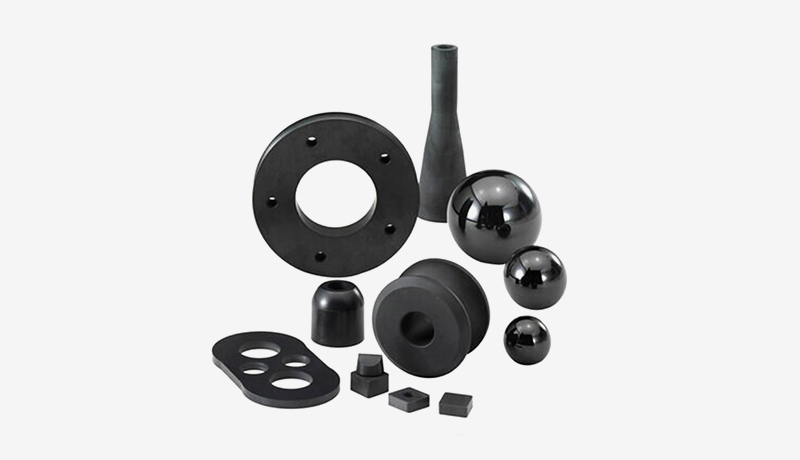
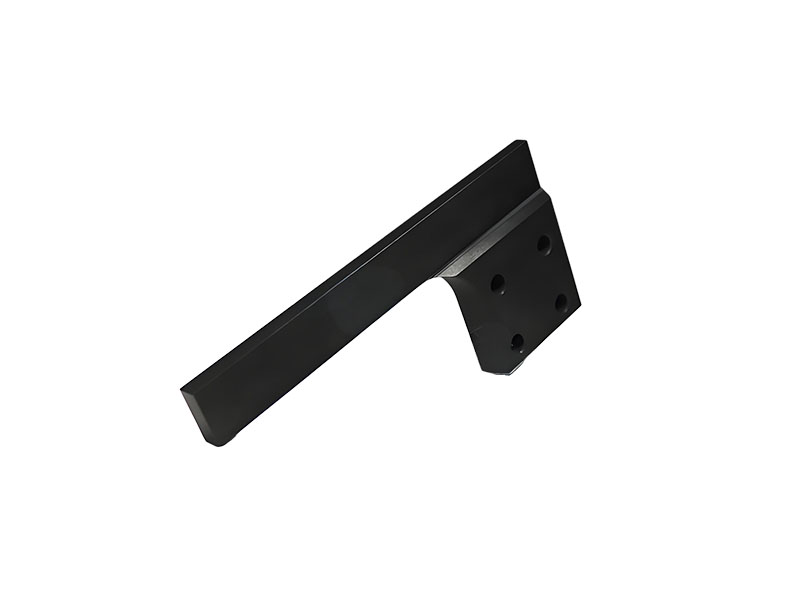
Introduction to Silicon Nitride Guide Bar Ceramic Products
Silicon nitride guide bar ceramic is an advanced structural ceramic material formed by the chemical bonding of silicon and nitrogen elements. Its crystal structure is primarily based on covalent bonds, resulting in excellent overall performance. This material exhibits outstanding performance in high-temperature, high-wear, and corrosive environments, and is widely used in industrial applications.
Main Characteristics
1. Physical Properties:
High hardness: Vickers hardness can reach 1500-1800 HV.
High flexural strength: Typically in the range of 800-1000 MPa.
Good fracture toughness: Approximately 6-8 MPa·m¹/².
Low density: Approximately 3.2-3.3 g/cm³.
2. Chemical Properties:
Extremely high chemical inertness, resistant to most acids, bases, and solvents.
Good oxidation stability, can withstand high temperatures up to 1200°C in air for extended periods.
Outstanding wear resistance and fatigue resistance.
3. Thermal Properties:
Low coefficient of thermal expansion: 3.0-3.5 × 10⁻⁶ /K
Moderate thermal conductivity: 15-30 W/m·K
Thermal shock stability: ΔT up to 1300℃ (sudden cooling and heating cycles)
Application Fields
1. Mechanical Industry: Used in the manufacture of mechanical components such as bearings, sealing rings, and permanent molds, particularly suitable for high-speed and high-load environments.
2. Semiconductor Equipment: Used as wafer carriers and power module substrates, utilizing its insulation and temperature resistance properties.
3. High-Temperature Industry: Used in kiln furniture, guide components, etc., exhibiting excellent performance in high-temperature equipment in metallurgical and chemical industries.
4. New Energy Vehicles: Motor bearings can withstand operating temperatures of 300-500℃ and have a low friction coefficient (0.01-0.02).
5. Precision Instruments: Possesses irreplaceable advantages in environments sensitive to magnetic fields, such as MRI equipment.
Supports custom specifications.