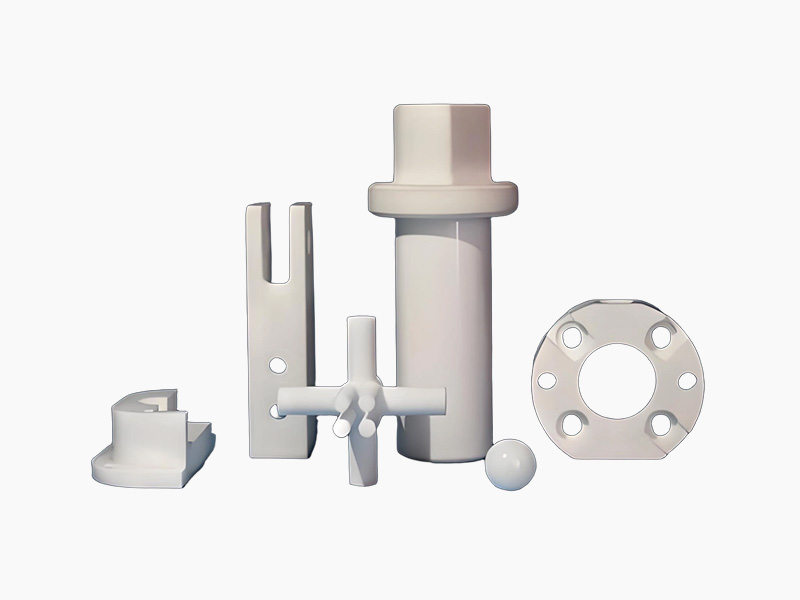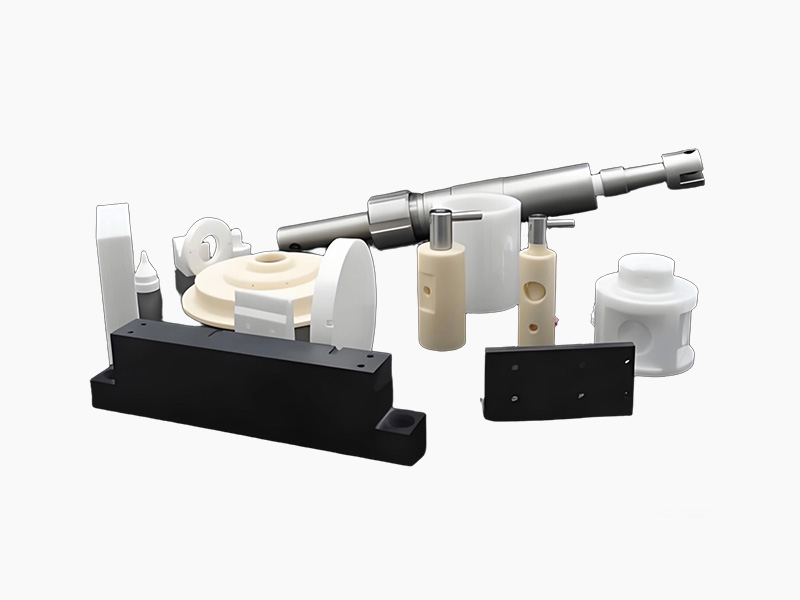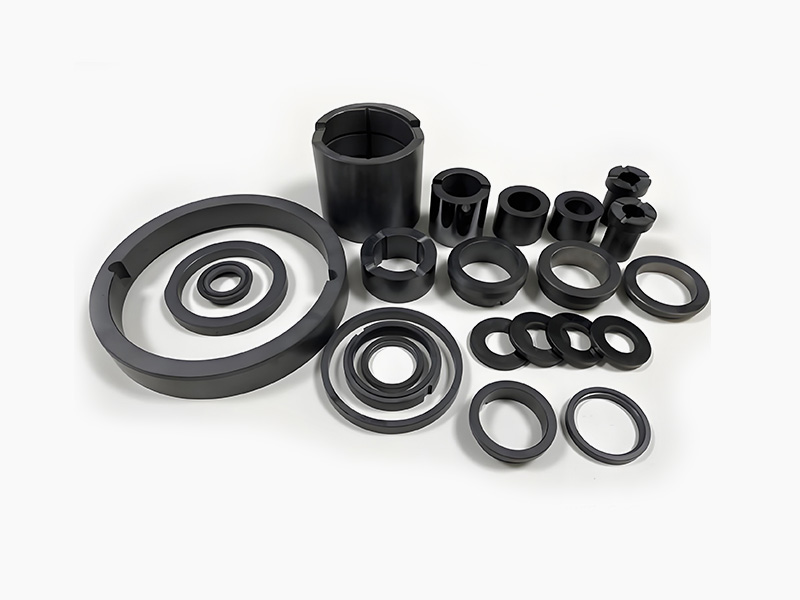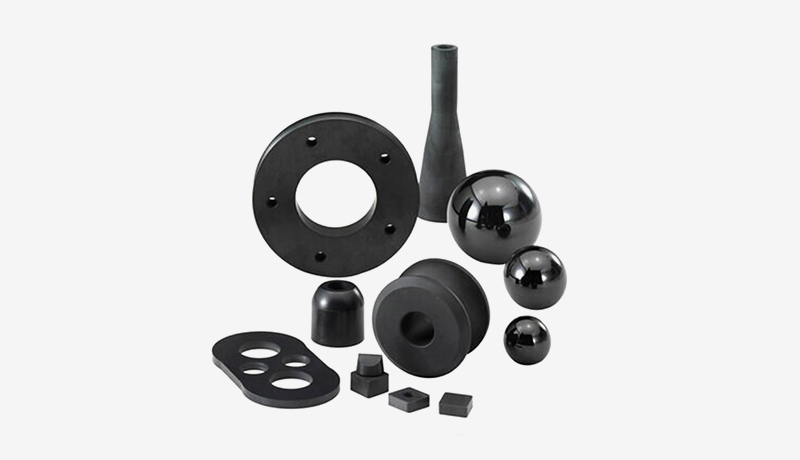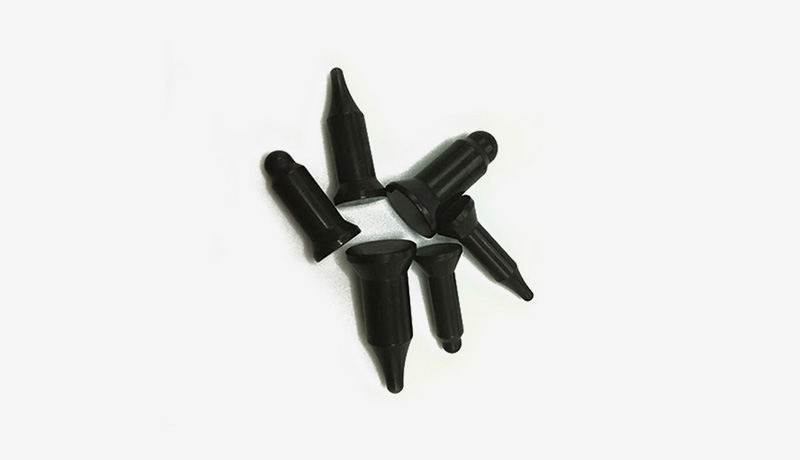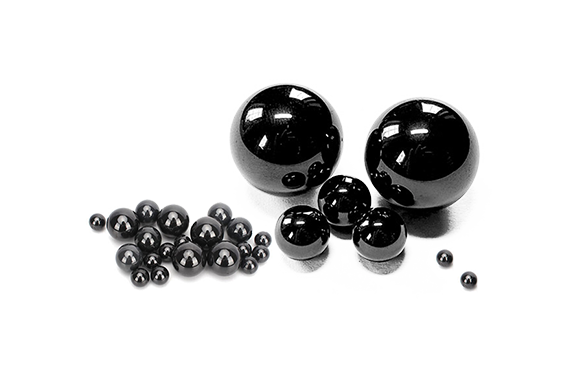
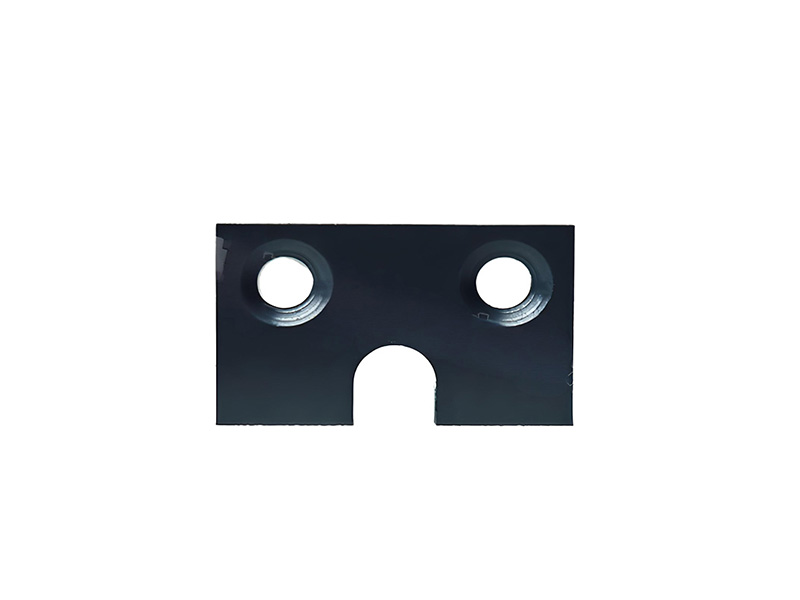
Product Introduction of Silicon Carbide Ceramic Plates:
Silicon carbide (SiC) high-temperature resistant ceramic plates are a high-performance engineering ceramic material with the following significant characteristics:
High hardness and wear resistance: With a Mohs hardness of over 9, second only to diamond, it exhibits superior performance in terms of high hardness and wear resistance.
1. High-temperature resistance: With a melting point of up to 2700℃, it maintains stability and strength in high-temperature environments and possesses excellent thermal shock resistance.
2. Corrosion resistance: It has good corrosion resistance to strong acids and bases, and a protective oxide film forms on its surface at high temperatures, effectively preventing further oxidation.
3. Thermal conductivity and thermal stability: It has high thermal conductivity (close to graphite) and a low coefficient of thermal expansion, making it less prone to cracking due to temperature changes.
4. Electrical properties: Pure silicon carbide ceramic is a good insulator, but it can be made to have a certain degree of conductivity through special processes.
5. Mechanical strength: The bending strength is typically in the range of several hundred megapascals, and the compressive strength is also very high.
Application Fields
Silicon carbide high-temperature ceramic plates have a wide range of applications in various industrial fields:
1. High-temperature and metallurgical industries: High-temperature furnaces (furnace chambers, crucibles), refractory materials, metal smelting components (distribution rings, thermocouple protection tubes).
2. Mechanical manufacturing and wear-resistant applications: Mechanical sealing rings, bearings and guide rails, cutting tools (drills, grinding wheels).
3. Semiconductor and electronics industries: Semiconductor manufacturing equipment (grinding discs, fixtures), electronic substrates and packaging (LEDs, IGBT module heat dissipation substrates).
4. Chemical and environmental protection fields: Corrosion-resistant components (chemical pumps, valves), high-temperature flue gas filters, catalyst carriers.
5. Energy and nuclear industries: Nuclear reactor materials (fuel cladding tubes, nuclear waste containers).
6. Aerospace and automotive industries: Turbine blades, bearings, braking systems, engine components.
Supports custom specifications.