




Electrical conductivity issues in welding fixtures can compromise weld quality and reduce production efficiency. When steel or metal pins are used in high-current welding applications, they may create unintended electrical pathways, leading to:
1、Poor weld penetration
2、Overheating of components
3、Equipment damage
Ceramic welding pins eliminate these problems due to their non-conductive nature, enabling precise, high-quality welding even under demanding conditions.
How Conductivity Affects Welding
Metal pins in resistance or spot welding fixtures can conduct electricity unintentionally. This leads to:
1、Current leakage across fixture components
2、Reduced energy at the intended weld spot
3、Inconsistent weld strength and quality
Repeated cycles may also overheat metal pins, causing deformation or increased maintenance needs.
Ceramic Solutions
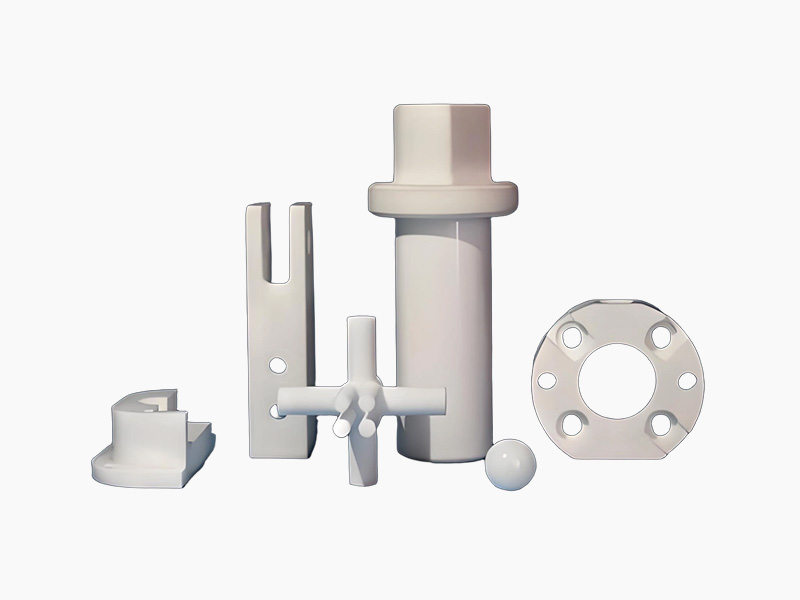
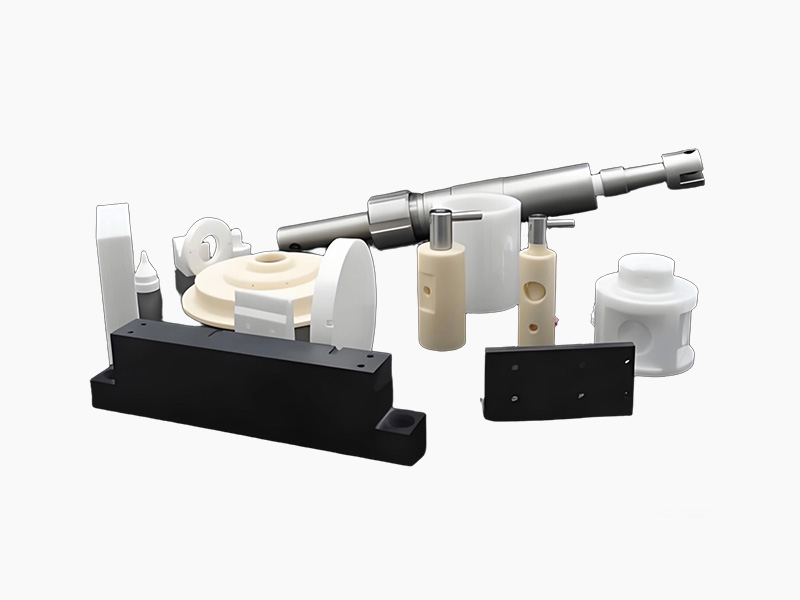
Ceramic welding pins offer:
1、Electrical insulation: Prevents stray currents and ensures welding energy is directed where needed.
2、High-temperature stability: Maintains insulation properties under heat.
3、Mechanical durability: Provides reliable positioning without deformation.
Materials commonly used include silicon nitride, alumina, and zirconia, each offering a balance of mechanical strength, thermal resistance, and electrical insulation.
Applications
1、Automotive welding fixtures: Ensures spot welds on body panels remain precise and strong.
2、Battery pack welding: Maintains alignment and prevents electrical shorts during high-current welding.
3、Electronics manufacturing: Protects sensitive circuits from unintended conduction.
4、Robotic automation: Prevents fixture interference with robotic sensors or machine controls.
Benefits of Ceramic Pins
1、Improved weld consistency due to controlled current paths.
2、Reduced downtime by minimizing component replacement.
3、Lower maintenance costs from long-lasting pins.
4、Enhanced fixture reliability in harsh production environments.
Conclusion
Electrical conductivity problems in welding fixtures can lead to costly production issues. By using ceramic welding pins, manufacturers eliminate unintended current paths, ensure precise component alignment, and maintain consistent weld quality.Ceramic pins provide a reliable, long-term solution for high-volume and high-current industrial welding applications.