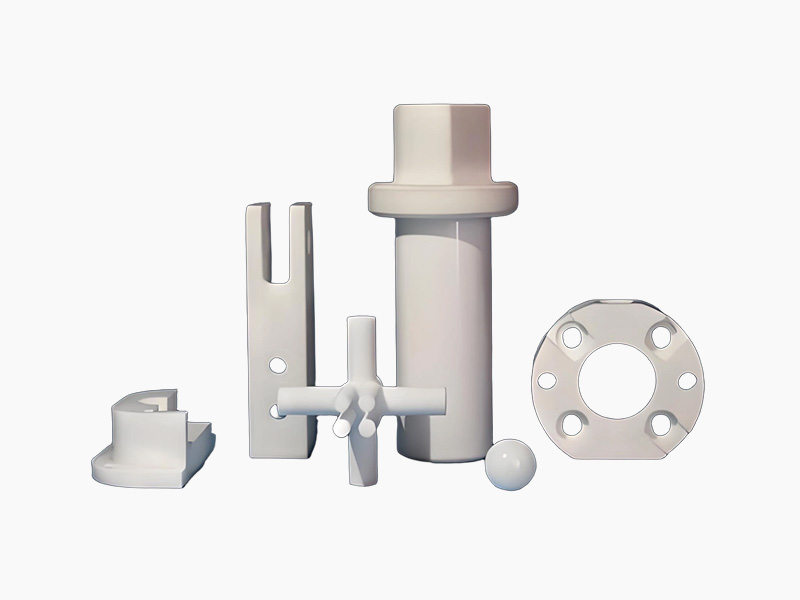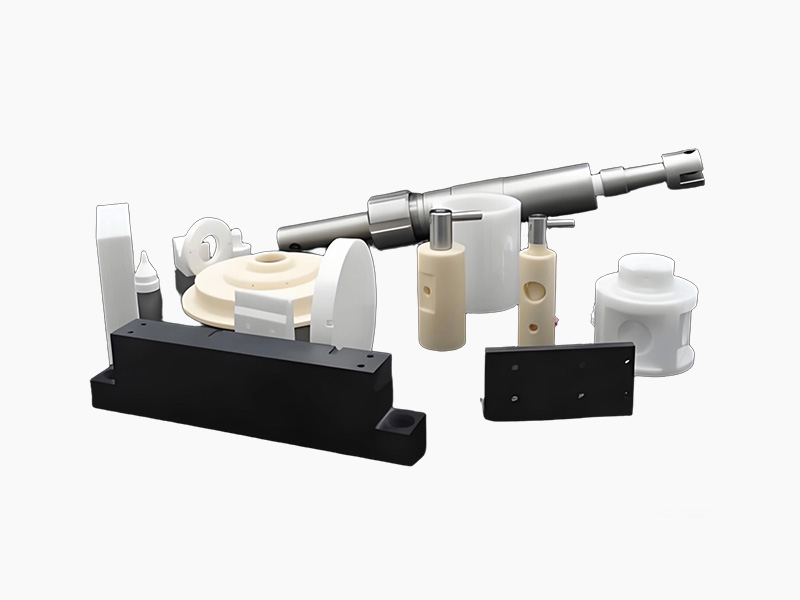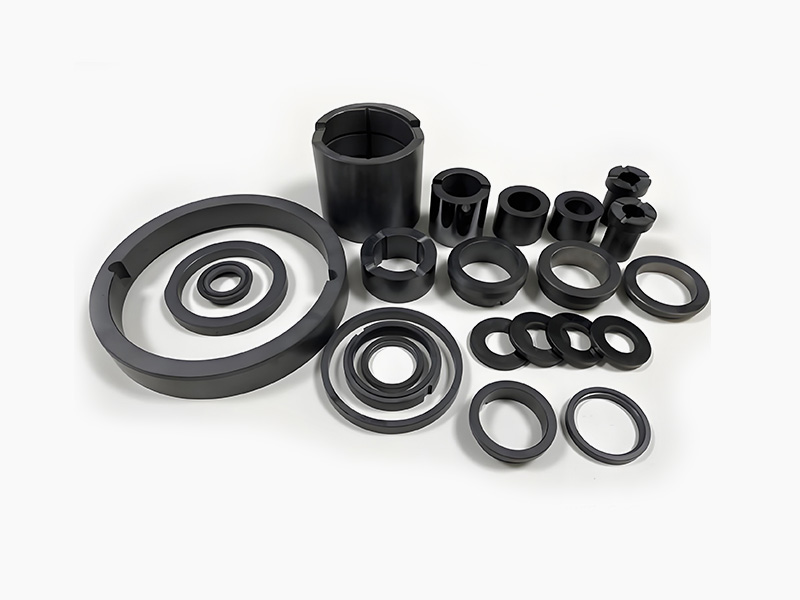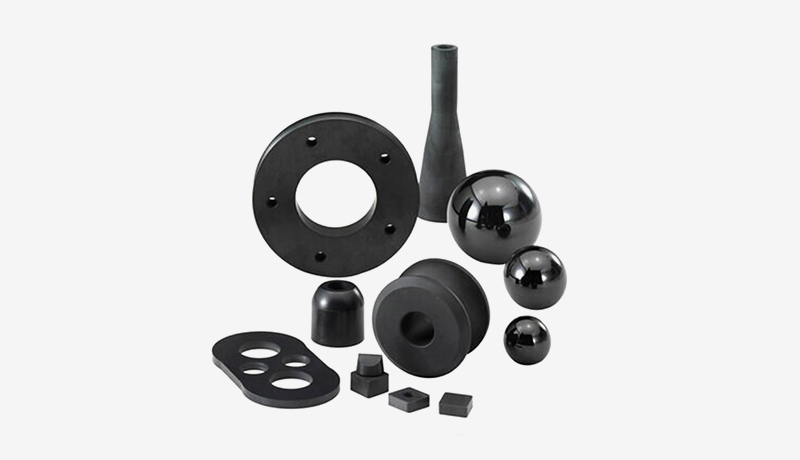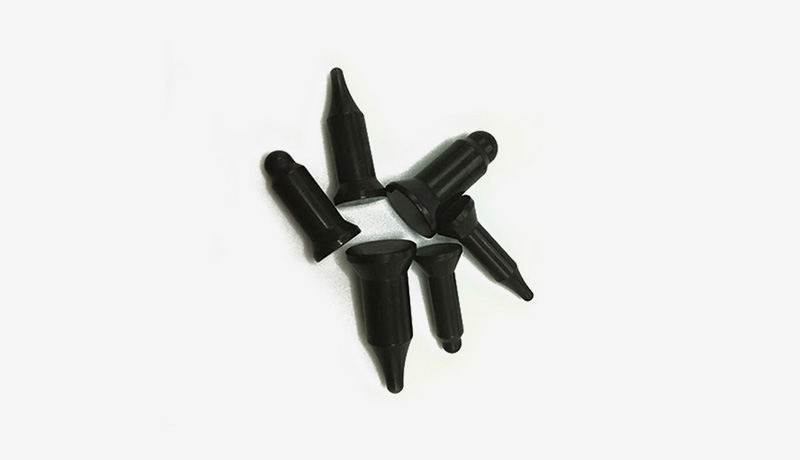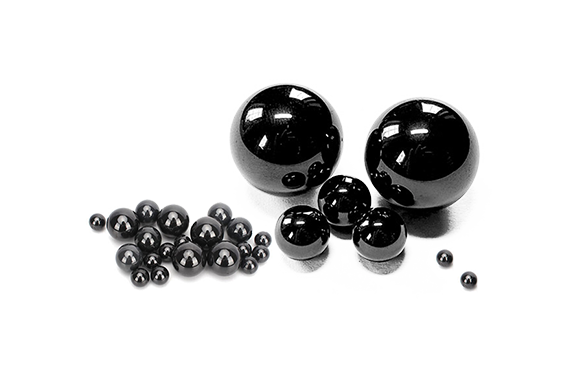
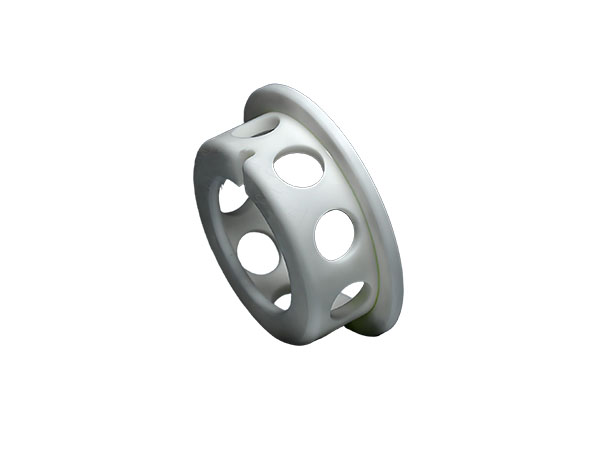
Porous alumina ceramic is an advanced ceramic material primarily composed of aluminum oxide (Al₂O₃), containing a large number of pores. It combines the high strength, high temperature resistance, and corrosion resistance of alumina with the unique properties of a porous structure, making it widely applicable in various industrial fields.
Core Characteristics
1. Excellent Temperature Resistance:
• High Temperature Range: Suitable for long-term use at temperatures up to 1600℃, and can withstand instantaneous temperatures exceeding 1800℃.
• Thermal Stability: Low thermal expansion coefficient (7.2×10⁻⁶/℃), similar to metals, making it less prone to cracking or deformation due to thermal stress at high temperatures.
• Thermal Conductivity: The porous structure effectively blocks heat conduction paths, making it suitable as a thermal insulation material.
2. Excellent Corrosion Resistance:
• Chemical Stability: Strong resistance to acids, bases, and molten metals, including strong acids such as sulfuric acid, hydrochloric acid, and nitric acid, as well as strong bases such as sodium hydroxide and potassium hydroxide.
• Microstructure: The dense crystal structure effectively prevents corrosive media from penetrating into the material.
• Application Environment: Suitable for corrosive environments in chemical and petroleum industries.
3. Precision Machining Performance:
• Machining Technology: Micro-level precision machining can be achieved through technologies such as 3D printing, precision grinding, and ultrasonic machining.
4. Machining Examples:
• Aircraft engine combustion chamber lining, surface roughness Ra≤0.2μm.
• M2 internal thread machining, with a 15-fold increase in feed rate.
• Manufacturing of complex structures such as micro-sensors and precision medical devices.
Product Applications
1. Aerospace: Thermal insulation tiles for spacecraft (porosity 60%-80%), aircraft engine components.
2. Automotive Industry: Exhaust gas purification catalyst carriers, battery separators.
3. Electronics: 5G base station antenna arrays, integrated circuit substrates.
4. Biomedical: Artificial joints, dental implants, drug delivery carriers.
5. Chemical and Environmental Protection: Reaction vessels, pipe linings, wastewater treatment.
Supports custom specifications.