



Choosing the right Ceramic Welding Pins for your welding project is critical to ensuring optimal performance, weld quality, and cost-effectiveness. With a wide range of types, materials, and configurations available, it can be challenging to select the right pin for your specific needs. However, by considering key factors such as application requirements, material properties, and pin specifications, you can make an informed decision that meets your welding goals.
The first step in choosing the right Ceramic Welding Pins is to identify your application requirements. Consider the type of welding process you will be using (e.g., resistance welding, arc welding, robotic welding), the temperature range of the welding environment, and the type of workpiece you will be welding. For example, if you are welding in a high-temperature environment (above 1000°C), you will need Ceramic Welding Pins made from a material with high-temperature resistance, such as alumina or silicon nitride. If you are using resistance welding, you will need non-conductive pins to ensure that the electrical current is focused on the weld joint.
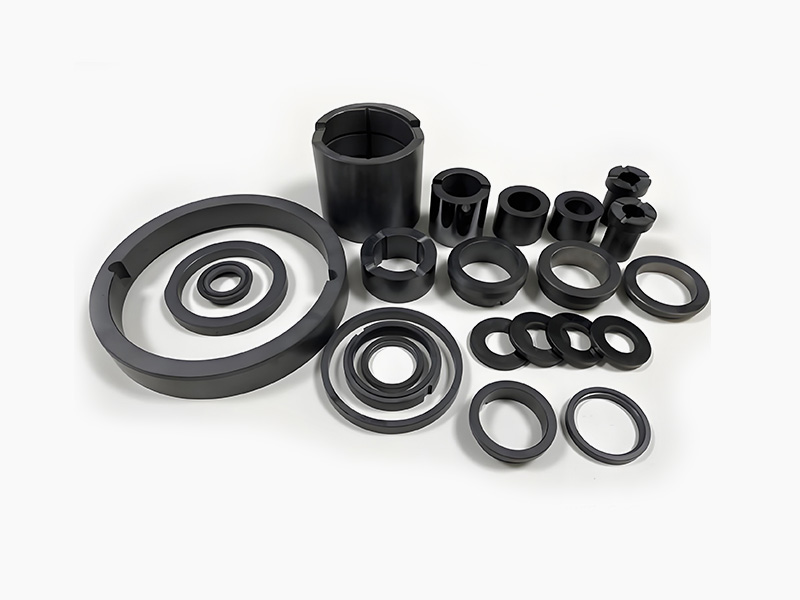
Next, consider the material of the Ceramic Welding Pins. The most common materials are alumina, zirconia, and silicon nitride, each with its own unique properties. Alumina is the most cost-effective option and is suitable for general-purpose applications, offering good high-temperature resistance (up to 1500°C) and corrosion resistance. Zirconia is ideal for applications that require superior toughness and impact resistance, making it suitable for manual welding operations where accidental impacts may occur. Silicon nitride is the highest-performance option, offering extreme temperature resistance (up to 1700°C) and wear resistance, making it suitable for high-performance applications like aerospace and nuclear engineering.
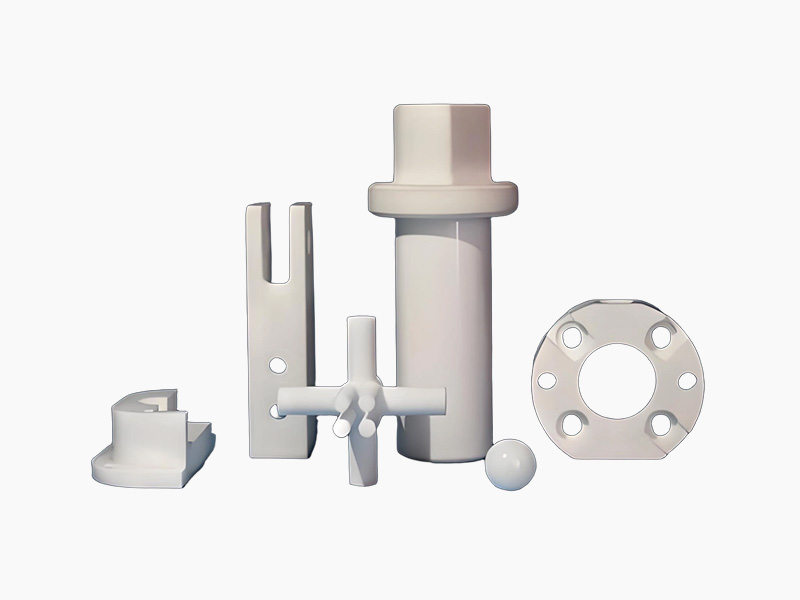
Pin specifications are another important factor to consider. This includes the size, shape, and tolerance of the pin. The size of the pin should match the size of the workpiece and the welding fixture. For example, small precision pins are suitable for electronic component welding, while larger pins are needed for heavy-duty industrial applications. The shape of the pin should be designed to hold the workpiece securely; common shapes include cylindrical, tapered, and tiger tooth. Tolerance is also critical, especially in precision welding applications. Look for pins with tight tolerances (±0.01–0.02 mm) to ensure accurate positioning.
Consider the operating environment when choosing Ceramic Welding Pins. If the pins will be exposed to corrosive substances (e.g., in chemical plants or refineries), choose pins made from a corrosion-resistant material like zirconia or silicon nitride. If the pins will be used in a high-wear environment (e.g., automated welding lines), choose pins with high wear resistance, such as silicon nitride. Additionally, consider the thermal cycling of the application; pins used in applications with frequent heating and cooling should have good thermal stability to prevent cracking or deformation.
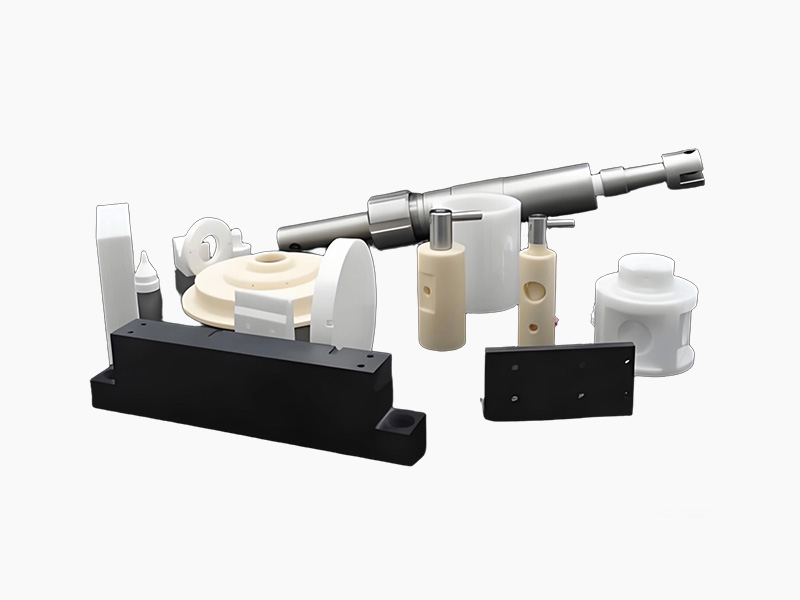
Customization options are also worth considering. Many manufacturers offer custom Ceramic Welding Pins tailored to specific applications. This includes custom dimensions, shapes, and material compositions. If your welding project has unique requirements, a custom pin may be the best option to ensure optimal performance. Be sure to work with a reputable manufacturer that has experience in producing custom ceramic components.
Finally, consider the cost and quality of the Ceramic Welding Pins. While it may be tempting to choose the cheapest option, low-quality pins can lead to poor weld quality, frequent replacements, and increased downtime. Invest in high-quality pins from a reputable manufacturer to ensure durability and performance. Look for manufacturers that offer quality control certifications, such as ISO 9001, to ensure that their products meet strict quality standards.
In summary, choosing the right Ceramic Welding Pins requires careful consideration of your application requirements, material properties, pin specifications, operating environment, customization options, and cost.