
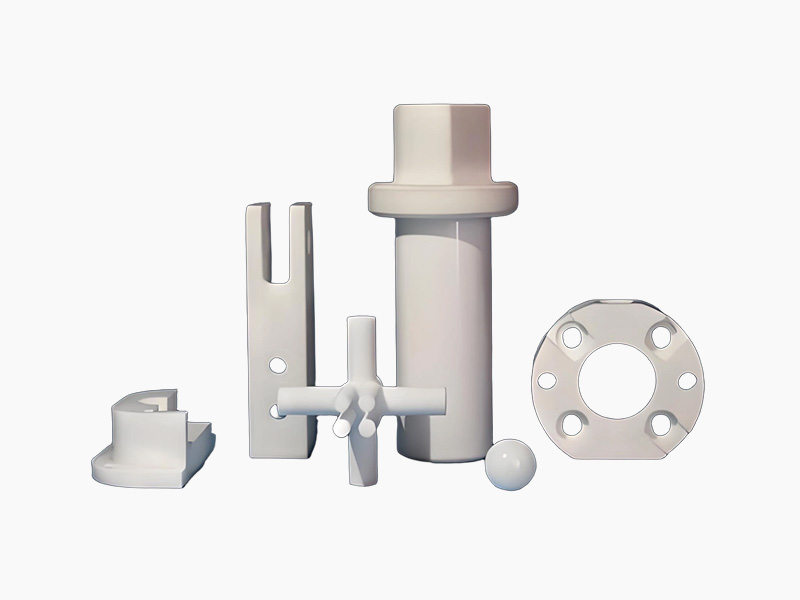
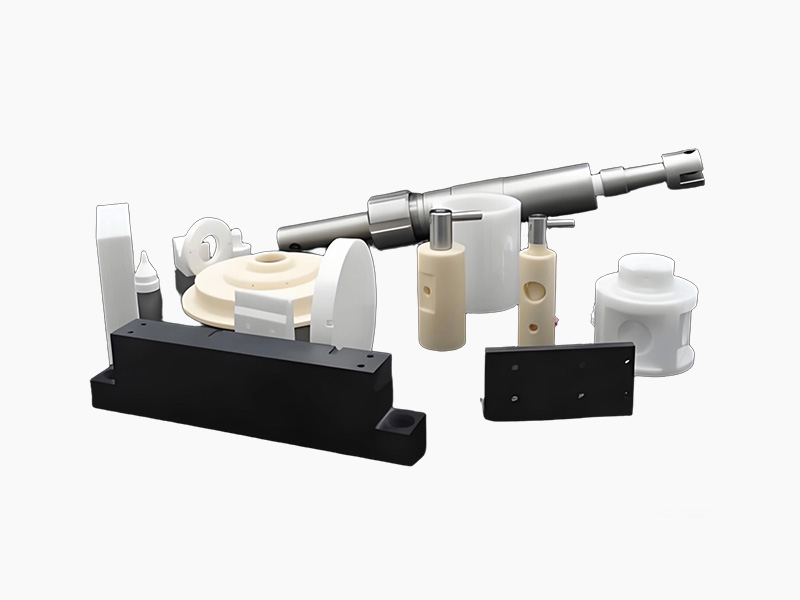




In industrial welding, quality and efficiency are two of the most important factors that determine the success of a project. Ceramic Welding Pins are designed to address both of these factors, offering a range of benefits that improve weld quality and reduce downtime. Unlike traditional metal pins, which can lead to inconsistent welds, frequent replacements, and costly delays, Ceramic Welding Pins provide a reliable, long-lasting solution that enhances the overall efficiency of welding operations.
One of the primary ways Ceramic Welding Pins improve weld quality is through their precise positioning capability. These pins are engineered with tight tolerances (often ±0.02 mm) to ensure that workpieces are held in the correct position during welding. This prevents misalignment, which is a common cause of weak, uneven welds. In automated welding systems, where consistency is critical, Ceramic Welding Pins ensure that each weld is identical, reducing the risk of defects and rework. This precision is particularly important in industries like aerospace and automotive, where weld quality directly impacts the safety and performance of the final product.
Another way Ceramic Welding Pins improve weld quality is through their non-conductive nature. In resistance welding, electrical current is used to generate heat at the weld joint. Metal pins can conduct this current away from the weld area, leading to uneven heating and weak welds. Ceramic Welding Pins, however, are non-conductive, ensuring that the current is focused exactly where it is needed. This results in stronger, more consistent welds with fewer defects, reducing the need for rework and improving overall product quality.
Ceramic Welding Pins also reduce downtime by minimizing the need for frequent replacements. Unlike metal pins, which wear down quickly due to heat, corrosion, and abrasion, Ceramic Welding Pins are highly durable and long-lasting. Their high-temperature resistance, corrosion resistance, and wear resistance mean that they can withstand thousands of welding cycles without degrading. This reduces the time spent replacing pins, allowing welding operations to run continuously for longer periods. In high-volume production lines, this can translate to significant cost savings and increased productivity.
The smooth surface of Ceramic Welding Pins also helps reduce downtime by minimizing weld spatter adhesion. Weld spatter is a common byproduct of welding, and it can build up on metal pins over time, leading to misalignment and uneven welds. Ceramic Welding Pins have a non-stick surface that prevents spatter from adhering, reducing the need for manual cleaning. This not only saves time but also ensures that the pins maintain their precision and performance over time.
Additionally, Ceramic Welding Pins are resistant to thermal cycling, which is the repeated heating and cooling of the pin during welding. Metal pins can crack or deform due to thermal cycling, leading to sudden failures and unplanned downtime. Ceramic Welding Pins, however, have excellent thermal stability and can withstand repeated thermal cycles without damage. This ensures that the pins remain reliable even in high-heat welding environments, reducing the risk of unplanned downtime and costly repairs.
In conclusion, Ceramic Welding Pins are a valuable tool for improving weld quality and reducing downtime in industrial welding operations. Their precise positioning, non-conductive nature, durability, and resistance to weld spatter and thermal cycling make them superior to traditional metal pins. By investing in Ceramic Welding Pins, manufacturers can improve the consistency of their welds, reduce rework, minimize downtime, and ultimately increase productivity and profitability.