
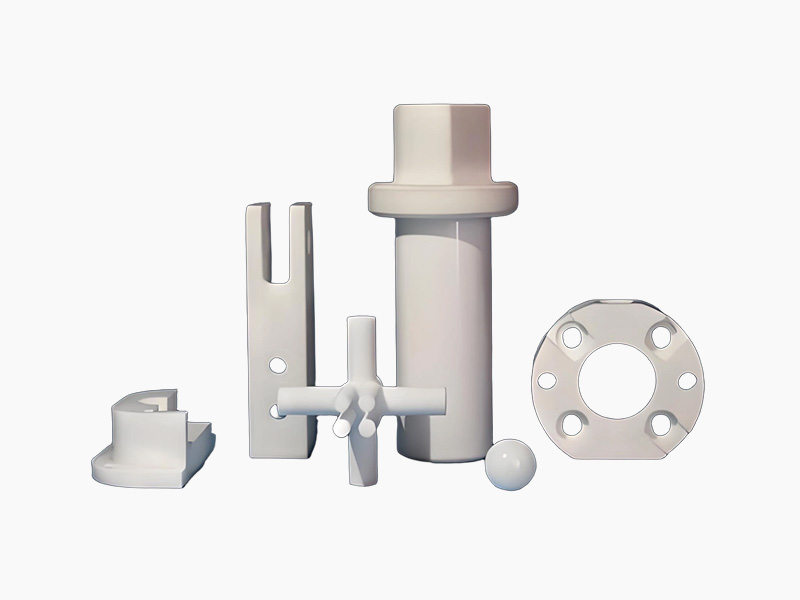
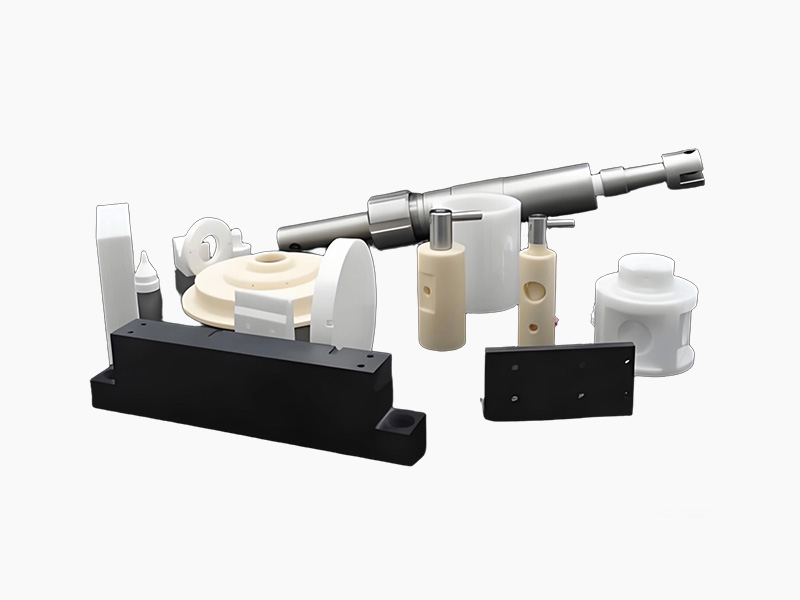
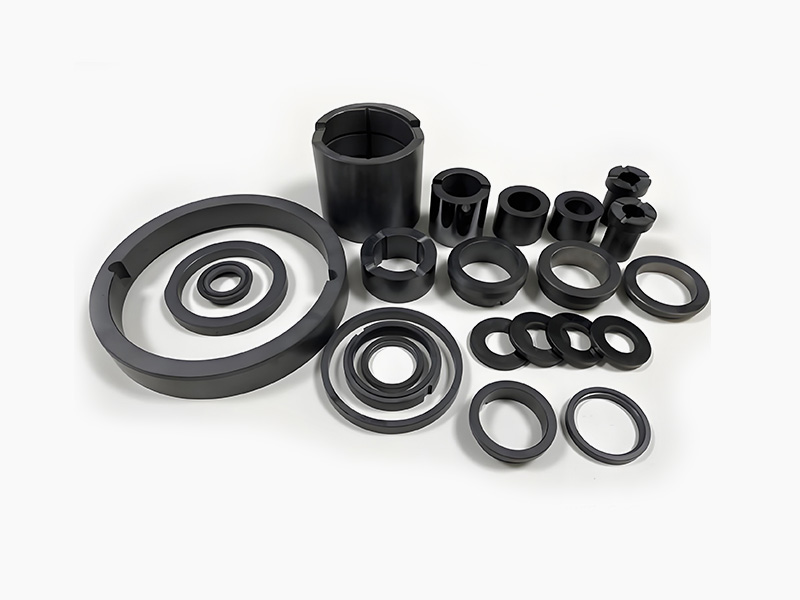





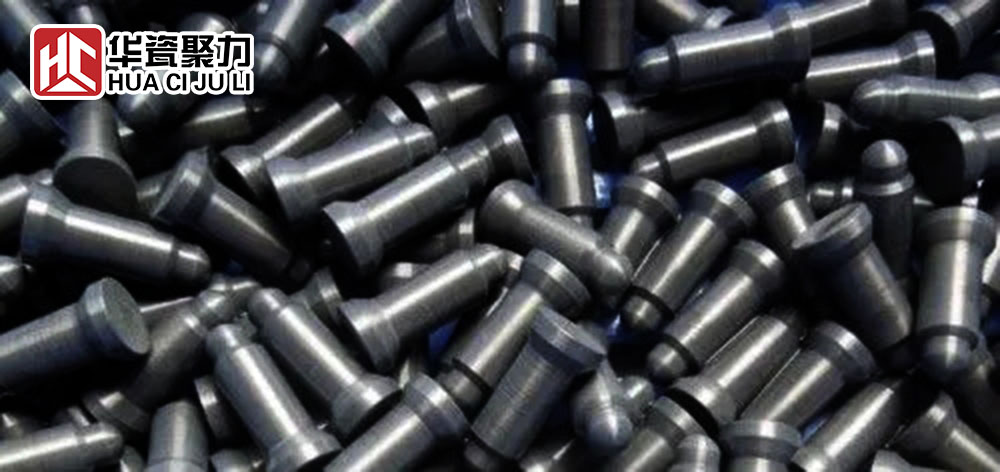
The manufacturing process of Ceramic Welding Pins is a precise and specialized process that involves several steps, from raw material preparation to final inspection. Each step is carefully controlled to ensure that the pins meet the strict quality standards required for welding applications. The process varies slightly depending on the ceramic material used (alumina, zirconia, or silicon nitride), but the core steps remain consistent.
The first step in manufacturing Ceramic Welding Pins is raw material preparation. The raw materials—typically ceramic powders such as alumina (Al₂O₃), zirconia (ZrO₂), or silicon nitride (Si₃N₄)—are carefully selected for their purity and properties. The powders are then ground and crushed into a fine slurry or powder, ensuring uniform particle size. This step is critical, as the particle size affects the density and strength of the final product.
Next, the ceramic powder is formed into the desired shape of the welding pin. There are several forming methods used, including injection molding, extrusion, and pressing. Injection molding is commonly used for complex shapes, while extrusion is used for straight pins. Pressing is used for simple shapes and involves compressing the powder into a mold under high pressure. The forming method is chosen based on the size, shape, and quantity of the pins being produced.
After forming, the green (unfired) Ceramic Welding Pins are dried to remove moisture. This step is important to prevent cracking during the sintering process. The drying process is typically done in a controlled environment, with temperature and humidity carefully regulated to ensure uniform drying.
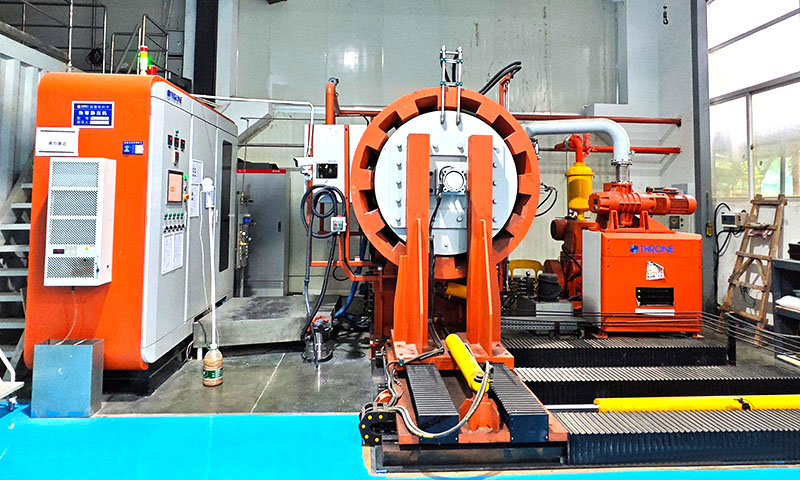
The next step is sintering, which is the process of heating the green pins to high temperatures to bond the ceramic particles together. Sintering temperatures vary depending on the material: alumina pins are sintered at 1500°C to 1700°C, zirconia pins at 1400°C to 1600°C, and silicon nitride pins at 1600°C to 1800°C. During sintering, the ceramic particles fuse together, forming a dense, strong structure. The sintering process also improves the thermal and mechanical properties of the pins.
After sintering, the Ceramic Welding Pins undergo precision machining to achieve the desired dimensions and surface finish. Machining processes include grinding, lapping, and polishing, which ensure that the pins have a smooth surface and precise tolerances (often as tight as ±0.02 mm). This step is critical for ensuring that the pins fit perfectly into welding fixtures and provide precise positioning.
The final step in the manufacturing process is quality inspection. Each Ceramic Welding Pin is inspected for defects such as cracks, chips, or dimensional inaccuracies. The pins are also tested for their mechanical properties, including hardness, strength, and wear resistance.
Some manufacturers also offer custom Ceramic Welding Pins, which involve additional steps such as designing the mold based on customer specifications and adjusting the manufacturing process to meet unique requirements. This customization ensures that the pins fit perfectly into the customer’s welding equipment and meet their specific application needs.