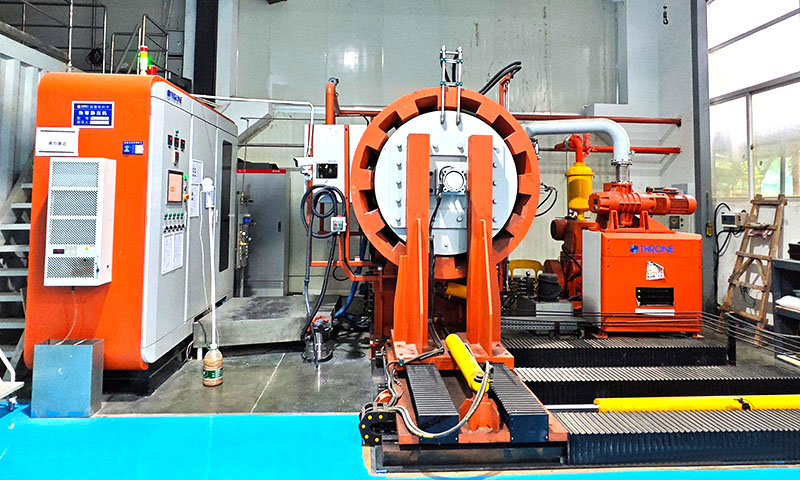

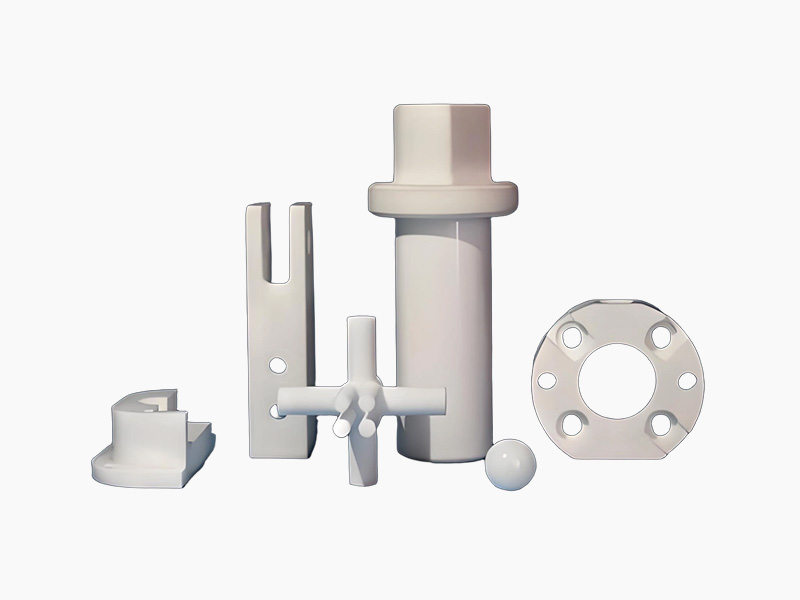
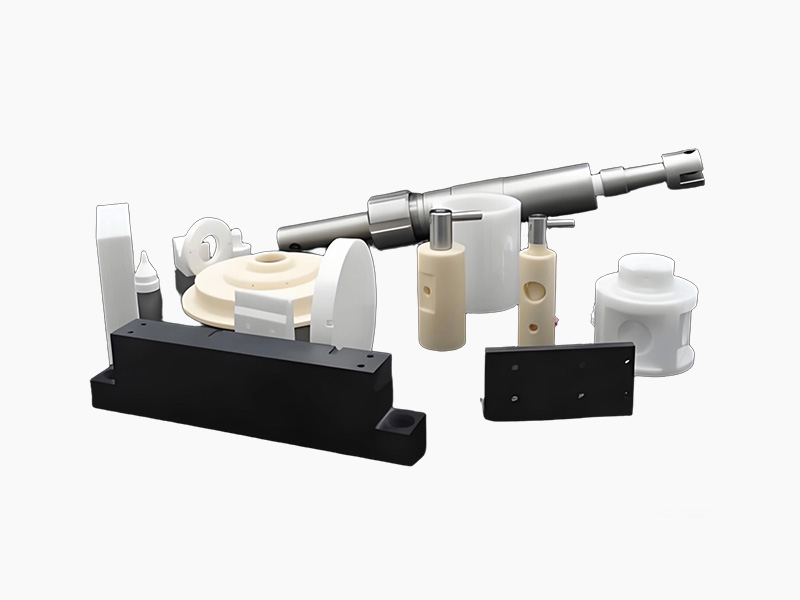




Capacitor discharge (CD) welding is a specialized process used for high-speed welding of small components, including electronics, automotive parts, and battery connections. CD welding requires precise alignment and rapid energy delivery, making fixture design critical.Ceramic welding pins are increasingly used in CD welding fixtures due to their exceptional thermal resistance, electrical insulation, and wear durability.
Challenges in CD Welding Fixtures
CD welding exposes pins to:
1、High current pulses over very short durations
2、Rapid thermal cycling
3、Mechanical impact from repeated loading
Traditional metal pins may fail to provide the required insulation or may wear quickly, causing fixture misalignment.
Advantages of Ceramic Pins
1、Electrical Insulation
Ceramics prevent current leakage, ensuring the energy pulse is delivered exactly to the weld spot.
2、High Thermal Resistance
Ceramic pins withstand rapid temperature changes without cracking or expanding, maintaining consistent alignment.
3、Wear Resistance
High hardness ensures longevity even under repetitive mechanical stress.
4、Dimensional Stability
Ceramic pins maintain precise positioning, critical in high-speed CD welding systems.
Applications
1、Battery Pack Assembly: Ensures precise welds on thin connectors.
2、Electronics: Protects sensitive components from electrical interference.
3、Automotive Components: Maintains fixture accuracy in micro-weld applications.
Conclusion
Ceramic welding pins are an essential component in capacitor discharge welding systems. Their combination of insulation, thermal stability, and durability ensures reliable, precise welds in demanding industrial applications.By adopting ceramic pins, manufacturers can reduce maintenance, improve weld consistency, and achieve higher production efficiency.