






Automotive manufacturing relies heavily on welding technology to assemble vehicle bodies, frames, and structural components. Modern car production lines perform thousands of spot welds for each vehicle, requiring extremely precise positioning of metal panels. Any small misalignment can affect structural integrity, appearance, and safety.
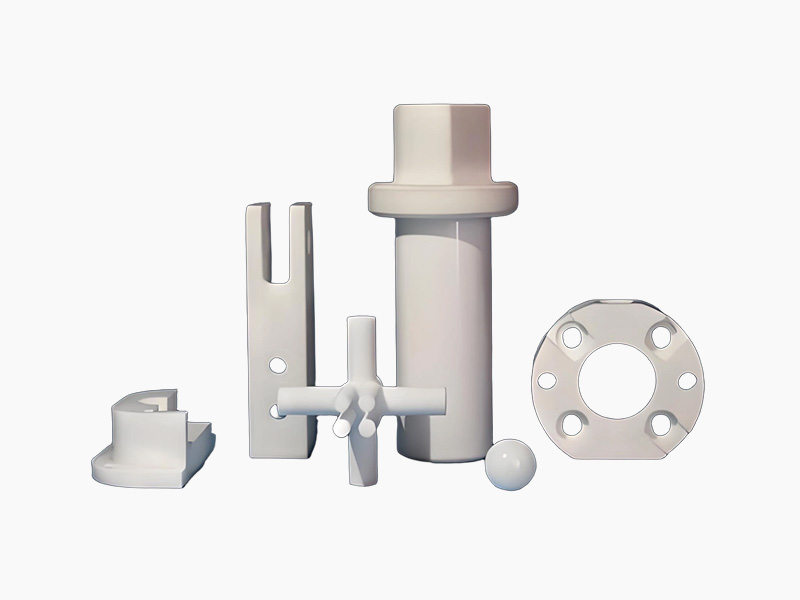
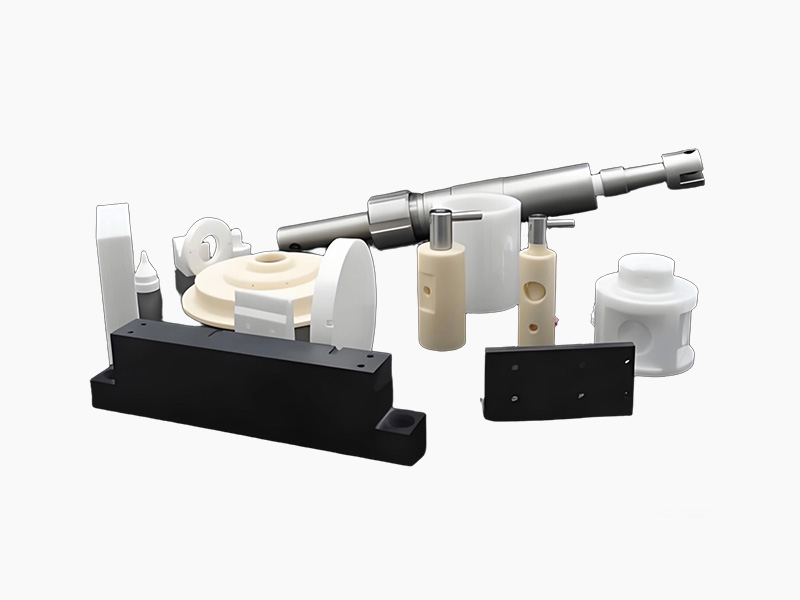
To maintain high precision and long-term durability in welding fixtures, manufacturers increasingly use ceramic welding pins. These advanced components provide reliable positioning, excellent heat resistance, and long service life, making them an essential part of automotive body welding systems.
The Importance of Precision in Automotive Welding
Automotive body structures are made from multiple sheet metal panels that must be aligned accurately before welding. These panels are held in place by complex welding fixtures containing locating pins, clamps, and supports.Positioning pins serve several key functions:
1、Locating body panels in the correct position
2、Maintaining consistent spacing between components
3、Supporting panels during the welding process
4、Ensuring repeatable accuracy in mass production
If positioning pins wear out or deform due to heat, fixture accuracy can decline, leading to welding defects or assembly problems.
Why Ceramic Welding Pins Are Used in Automotive Fixtures
Traditional fixture pins were often made from hardened steel. While steel provides strength, it may suffer from wear, thermal expansion, and electrical conductivity issues in welding environments.Ceramic welding pins provide significant advantages.
1、Heat Resistance
Spot welding generates significant heat at the weld location. Ceramic materials maintain their structural stability even at elevated temperatures, ensuring consistent positioning.
2、Low Thermal Expansion
Unlike metal pins, ceramic pins expand very little under heat. This minimizes dimensional changes and maintains alignment accuracy.
3、Electrical Insulation
Ceramic materials are non-conductive. In resistance welding, this prevents unintended electrical pathways that could affect welding efficiency.
4、High Wear Resistance
Engineering ceramics are extremely hard materials. Ceramic welding pins can withstand repeated loading and unloading cycles without losing their shape.
Integration with Robotic Welding Systems
Automotive factories rely on robotic welding systems to assemble vehicle bodies. Robots perform spot welding operations at high speed, often repeating the same motion thousands of times per day.For robotic systems to work correctly, fixtures must maintain precise positioning of components. Ceramic welding pins provide reliable reference points that ensure consistent robot positioning and welding accuracy.Because ceramic pins maintain dimensional stability over time, they help prevent production errors and reduce calibration adjustments.
Long-Term Performance Benefits
Automotive manufacturing requires components that can withstand continuous operation.Ceramic welding pins provide several long-term advantages:
1、Reduced fixture maintenance
2、Extended service life
3、Improved welding consistency
4、Lower downtime during production
These benefits contribute to improved productivity and reduced operating costs for automotive manufacturers.
Conclusion
Ceramic welding pins play a critical role in automotive body welding fixtures by providing accurate positioning, excellent heat resistance, and long-term durability. Their superior material properties make them well suited for the demanding conditions of robotic welding systems.As automotive manufacturing continues to adopt more advanced automation and high-volume production methods, ceramic welding pins will remain a key component in ensuring consistent welding quality and efficient assembly processes.