
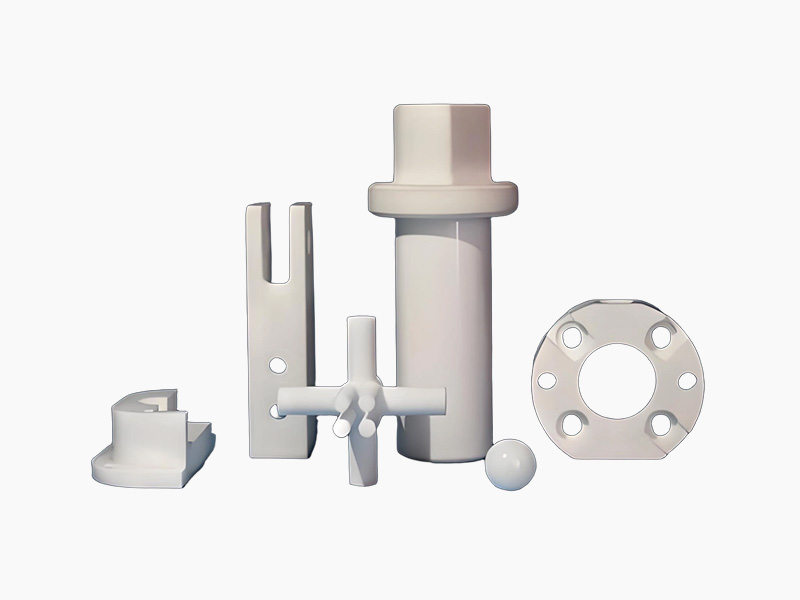
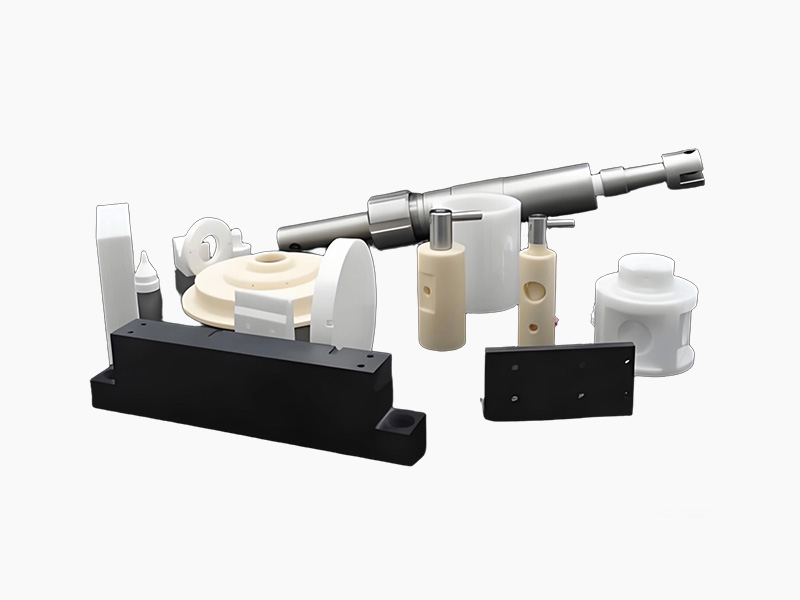




Industrial welding environments demand components that can endure extreme conditions while maintaining precision. Ceramic welding pins have emerged as a superior alternative to traditional metal pins due to their advanced material properties.
Limitations of Metal Welding Pins
Metal pins have long been used in welding systems, but they present several disadvantages:
1、Susceptibility to oxidation and corrosion
2、High thermal expansion affecting alignment
3、Electrical conductivity interfering with current flow
4、Short lifespan due to wear
These limitations increase maintenance frequency and reduce process stability.
Material Advantages of Ceramic Welding Pins
Ceramic welding pins are engineered using advanced ceramics, offering unique benefits:
1. Thermal Stability
Ceramic materials maintain shape and strength even at elevated temperatures.
2. Electrical Insulation
This property improves energy efficiency by preventing stray current paths.
3. High Hardness
Ceramics resist wear, maintaining precise geometry over long periods.
4. Chemical Resistance
Ceramic welding pins are unaffected by harsh industrial environments.
Performance in High-Volume Production
In high-volume welding operations, consistency is key. Ceramic welding pins provide stable performance across thousands of cycles, ensuring repeatable weld quality.
Their resistance to wear also reduces the risk of alignment drift, which is a common issue with metal pins.
Cost Efficiency Over Time
While ceramic welding pins may have a higher initial cost, their long lifespan and reduced maintenance requirements result in lower total cost of ownership.
Manufacturers benefit from:
1、Fewer replacements
2、Reduced downtime
3、Improved process reliability
Application Across Industries
Ceramic welding pins are used in various industries, including:
1、Automotive manufacturing
2、Electronics assembly
3、Aerospace fabrication
4、Battery production
Conclusion
Replacing metal pins with ceramic welding pins can significantly improve welding performance, reduce maintenance costs, and enhance overall production efficiency.