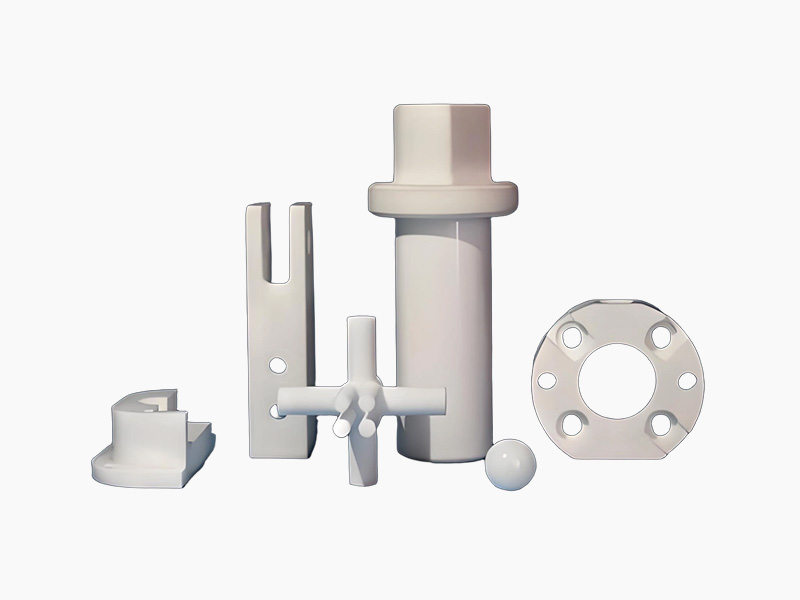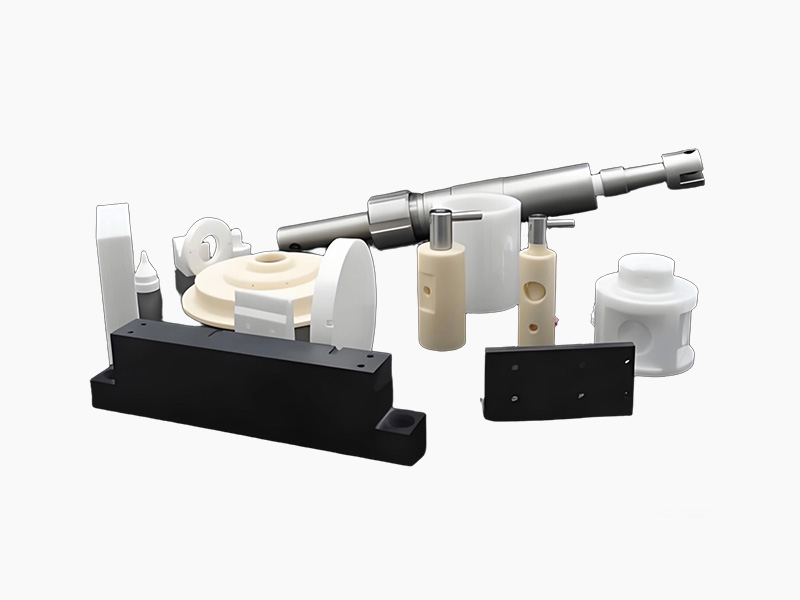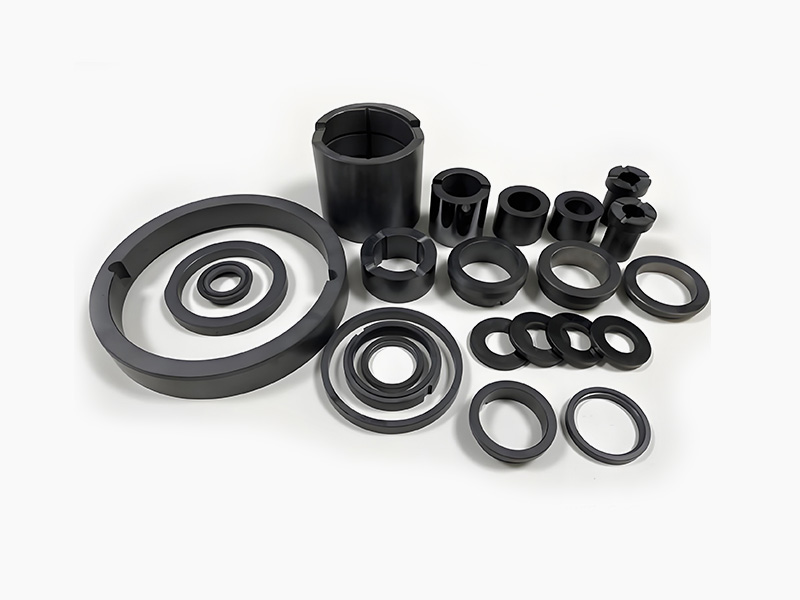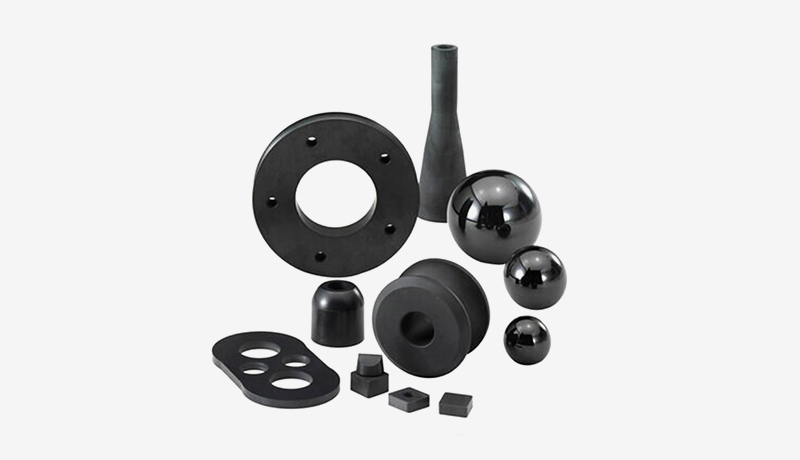
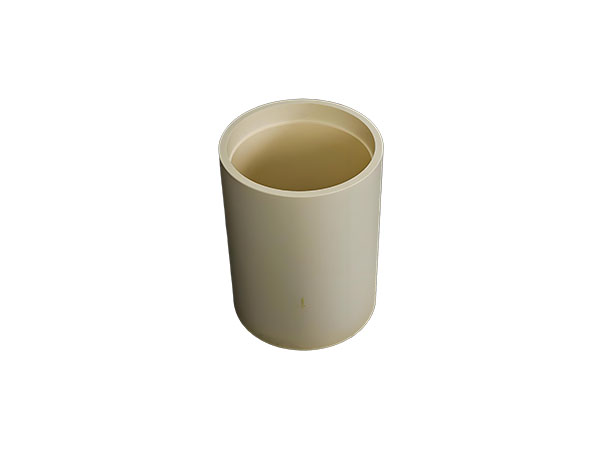
Alumina ceramic tubes are a high-performance industrial material with the following core characteristics and application areas:
Material Properties
1. Mechanical Properties: Mohs hardness reaches 9 (second only to diamond), compressive strength exceeds 2000 MPa, and wear resistance is 266 times that of manganese steel. The surface finish is close to a mirror surface, and the friction coefficient is only 0.02, comparable to human joint cartilage.
2. Resistance to Extreme Environments:
High temperature resistance: Long-term working temperature of 1600℃, short-term resistance up to 1800℃.
Corrosion resistance: Strong resistance to strong acids, strong bases, and molten metals (except hydrofluoric acid).
Insulation: Volume resistivity of 10¹⁴ Ω·cm, suitable for high-insulation applications.
3. Thermal Properties: Thermal conductivity of 27.5 W/(m·K), and a thermal expansion coefficient that matches silicon wafers, reducing thermal stress.
Product Specifications and Manufacturing Process
1. Purity Grading: Common grades include 99% alumina (Al₂O₃≥99%), 95% alumina, etc., with high-purity grades (99.9%) used in the semiconductor industry.
2. Forming Process: Formed using the aluminothermic-centrifugal method or self-propagating high-temperature synthesis (SHS), with a porosity of ≤2%.
3. Structural Design: Ceramic layer thickness ≥10mm, inner arc side of the elbow thickened to 12.7mm, and splicing gap ≤1mm.
Application Fields
1. Industrial Equipment
• Chemical pipelines: Used for transporting corrosive media such as concentrated hydrochloric acid, with a lifespan 10 times longer than metal pipes.
• Wear-resistant pipelines: Used for transporting mine tailings, with an annual wear rate of ≤0.5mm.
2. New Energy and Electronics
• Lithium battery manufacturing: Used as sintering furnace tubes, with a lifespan exceeding 2 years.
• Semiconductors: Metal ion contamination rate in wafer diffusion furnaces <0.1ppm.
3. Other Fields
• Medical: Biocompatible material used in artificial joints.
• Aerospace: High-temperature resistant components for engines.
Supports custom specifications.