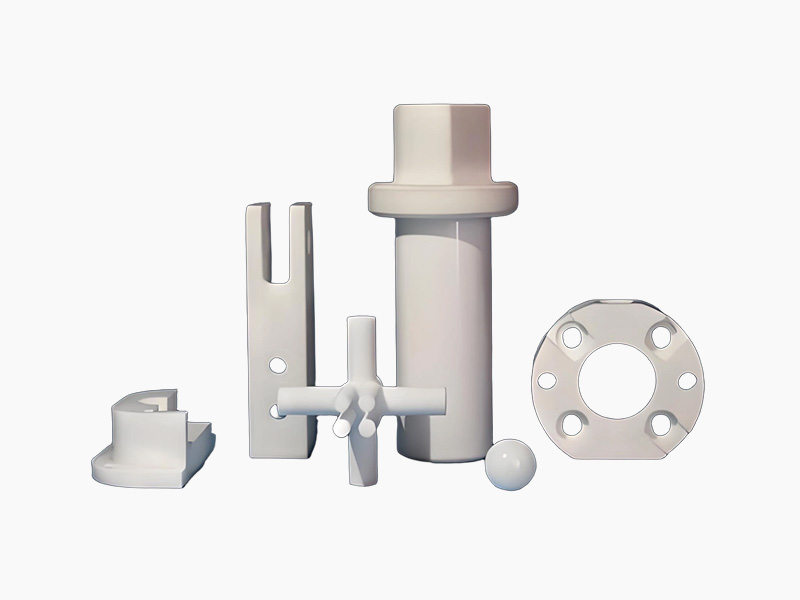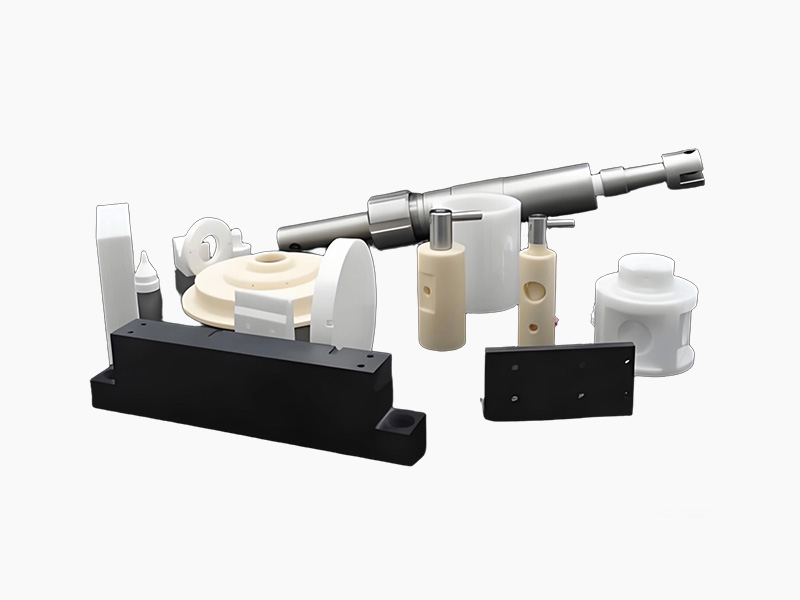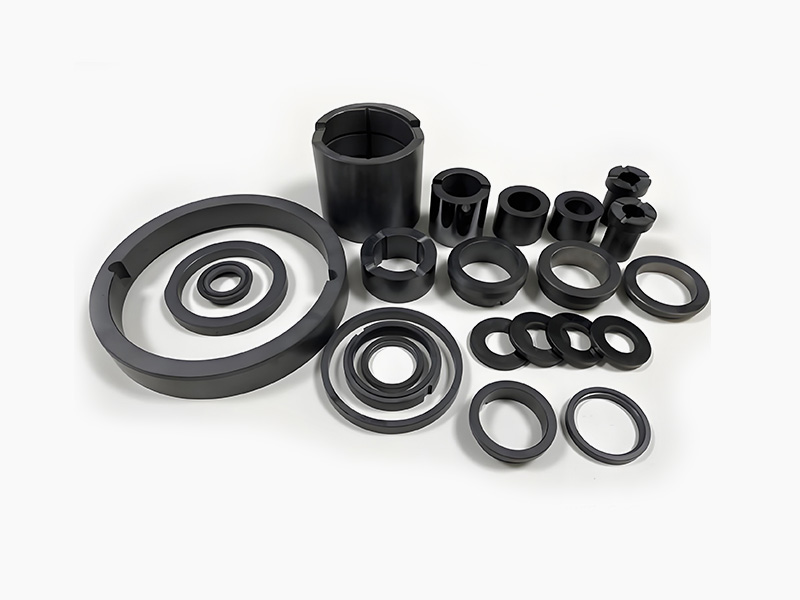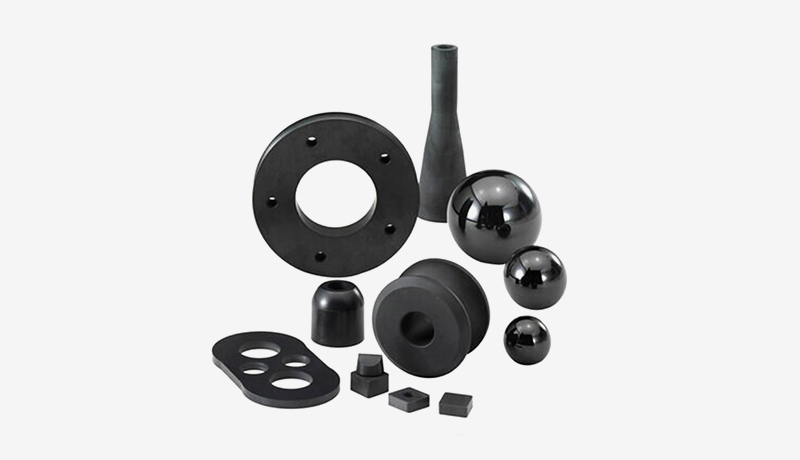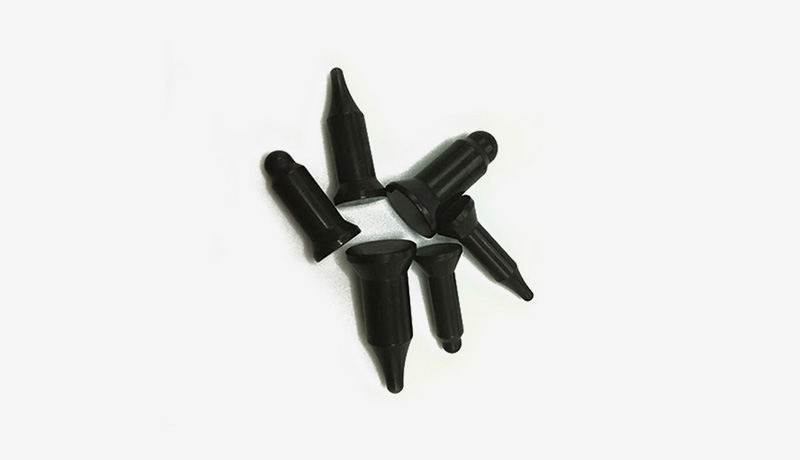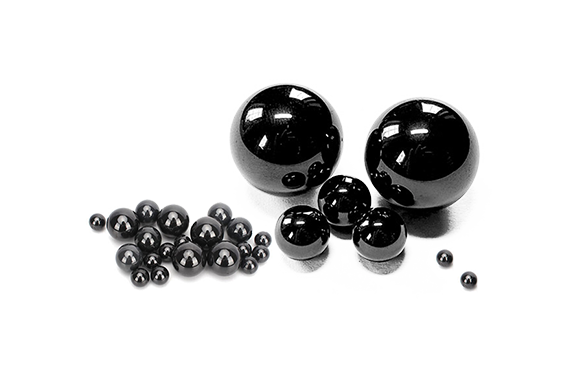
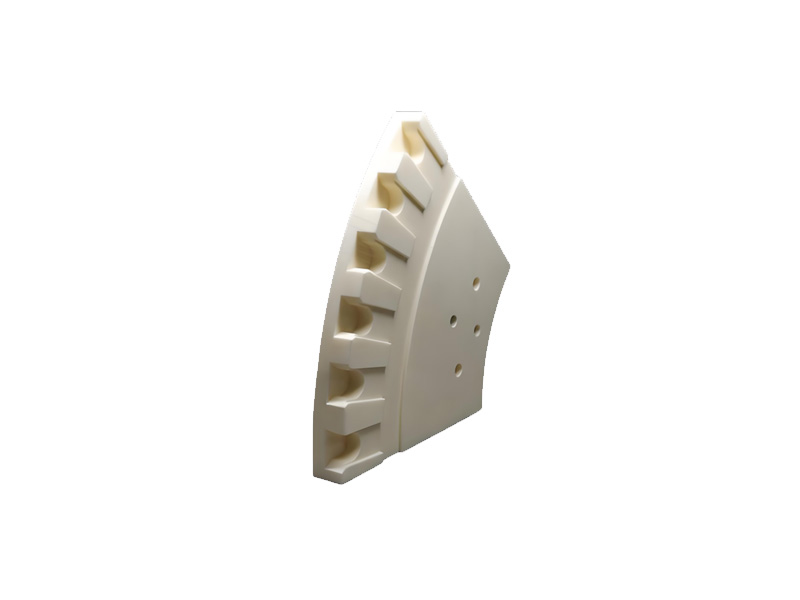
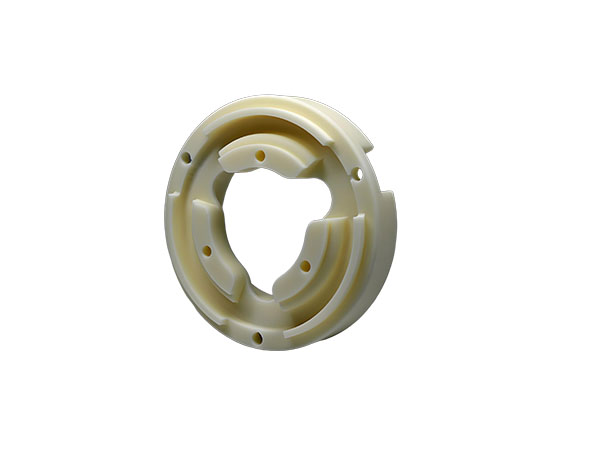
The production and application of alumina ceramic structural components (including fixture plates and irregularly shaped parts) involve the following key technologies and characteristics:
Ⅰ. Material Characteristics and Advantages
1. Core Performance: Hardness reaches Mohs 9, wear resistance is 266 times that of manganese steel, flexural strength can reach 450 MPa (nanopowder + modified process), high temperature resistance (long-term use at 1600℃), excellent insulation (resistivity > 10¹⁴ Ω·cm), strong chemical stability, resistance to acid and alkali corrosion, and biocompatibility suitable for medical implants.
2. Crystal Structure Influence: α-Al₂O₃ is the stable phase and is suitable for high-strength ceramics; the β-γ phase needs to be transformed into the α phase to improve performance.
Ⅱ.Preparation Process
1. Raw Materials and Forming: 95%-99.9% purity alumina powder is used, with the addition of an MgO-Y₂O₃ composite agent to improve toughness. Forming methods include dry pressing (simple shapes), injection molding (complex structures), and 3D printing (microporous processing).
2. Sintering and Processing: Microwave sintering or a two-step sintering method (1850℃→1800℃) is used to achieve 99% density. Precision processing employs laser cutting (Ra<0.1μm) or ultrasonic grinding (±5μm accuracy).
Ⅲ.Application Fields
1. Industrial Applications: Semiconductor etching equipment chambers, industrial furnace components, wear-resistant bearings, chemical corrosion-resistant pumps and valves, wear-resistant parts for mining machinery.
2. Emerging Fields: High-temperature thermal insulation tiles for aerospace applications, 5G chip substrates (chemical polishing Ra0.03μm), artificial joints (bone integration strength > 35MPa).
Supports custom specifications.