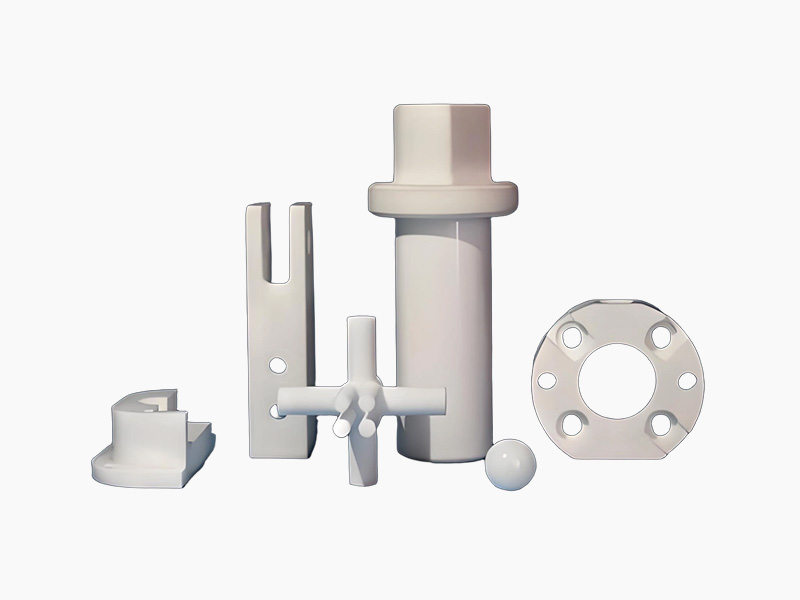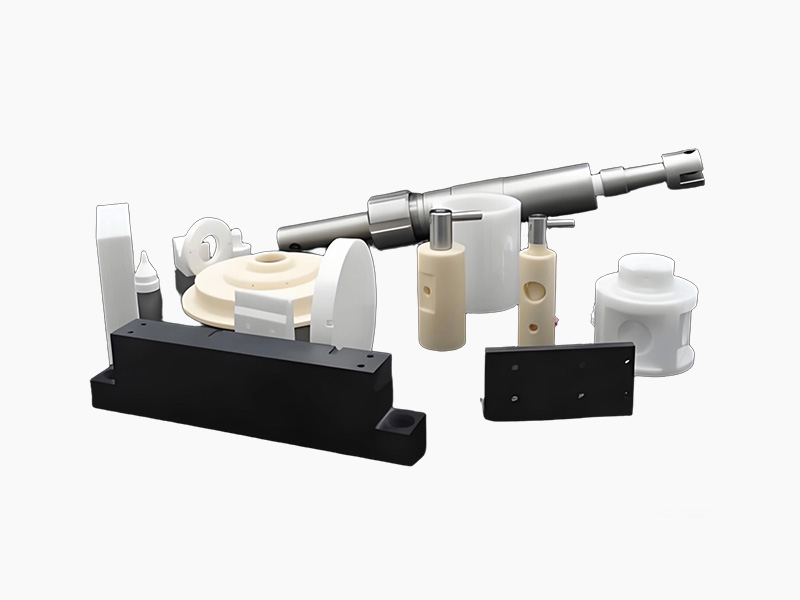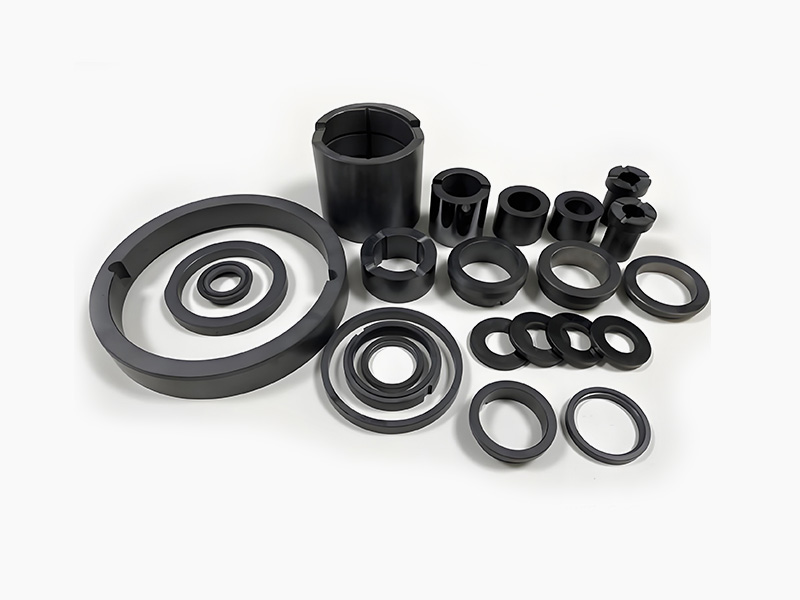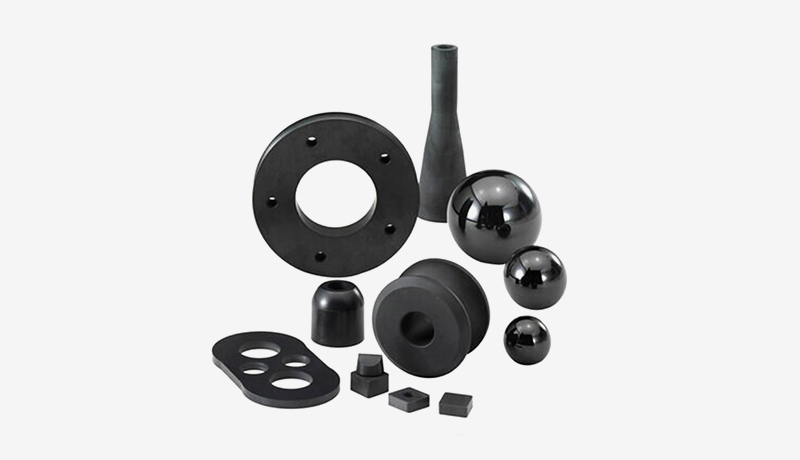
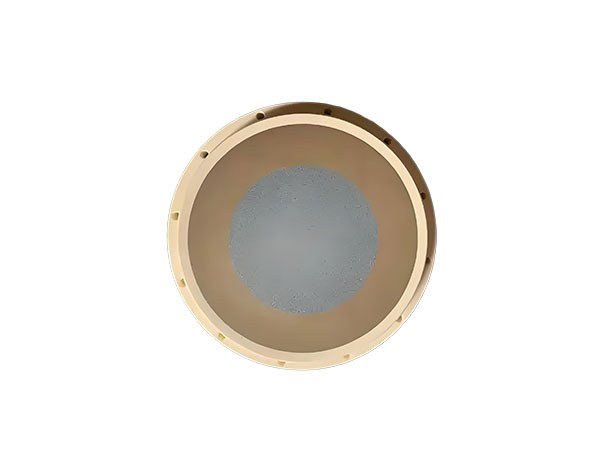
Alumina ceramic grinding discs are high-performance industrial grinding tools widely used in fields such as semiconductors, electronics, and new energy. I. Core Characteristics
1. High Purity and Hardness
• Alumina content can reach 99.7%-99.9%, with a Vickers hardness of ≥17 GPa, approaching the hardness of sapphire, ensuring high efficiency and wear resistance during the grinding process.
• Ultra-high purity (such as 99.99%) versions are suitable for applications sensitive to impurities, such as biomedicine and semiconductor manufacturing.
2. Excellent Physical Properties
• Density as high as 3.94-3.97 g/cm³, three-point bending strength of 440-550 MPa, possessing both high mechanical strength and impact resistance.
• Low thermal conductivity of 0.0968 cm²/s, and high temperature resistance exceeding 2000℃, suitable for high-temperature operating environments.
3. Chemical Stability:
v Resistant to acid and alkali corrosion, and does not react chemically with materials, ensuring the chemical purity of the ground materials.
Application Scenarios
1. Semiconductor Manufacturing: Used for double-sided grinding of silicon wafers, replacing traditional cast iron plates to reduce metal contamination and improve wafer flatness accuracy (error ≤ 0.5μm). As a consumable in CMP (Chemical Mechanical Polishing), it improves chip processing efficiency.
2. New Energy and Electronics Industries: In the grinding of lithium battery cathode materials, it can control the particle size CV value to <5%, ensuring material consistency. Used in insulation and heat dissipation components for electronic components such as 5G base station filters and IGBT modules.
3. Other Industrial Fields:
• Ceramic glaze grinding (particle size distribution Span <1.0).
• High-temperature resistant components for aerospace applications (such as satellite antenna covers and spacecraft heat shields).
Supports custom specifications.