Alumina content: 95%-99%.
Compressive strength: ≥800MPa.
Operating temperature: -50℃~1600℃.
Porosity: 10%-30% (customizable).
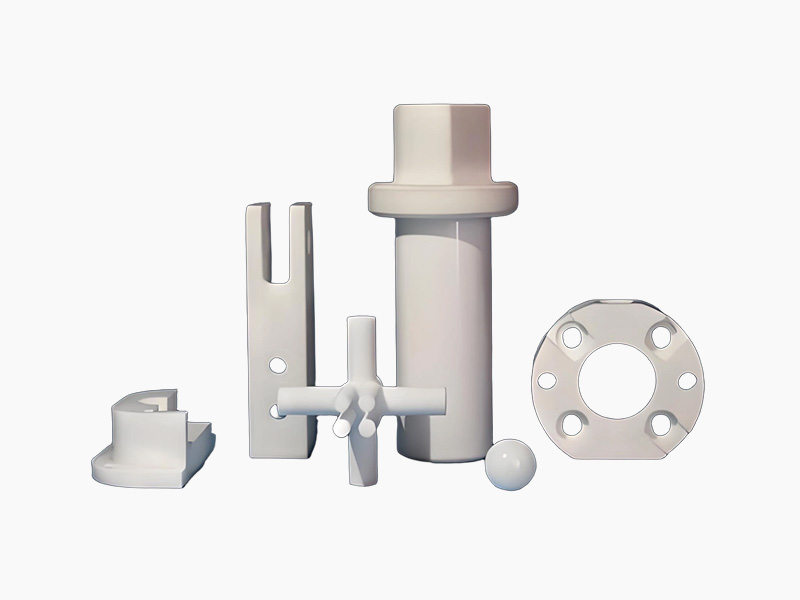
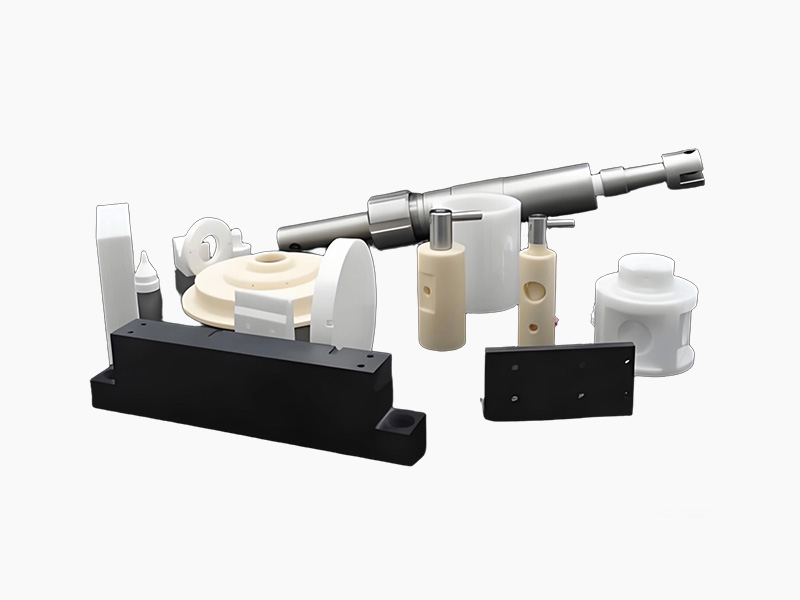
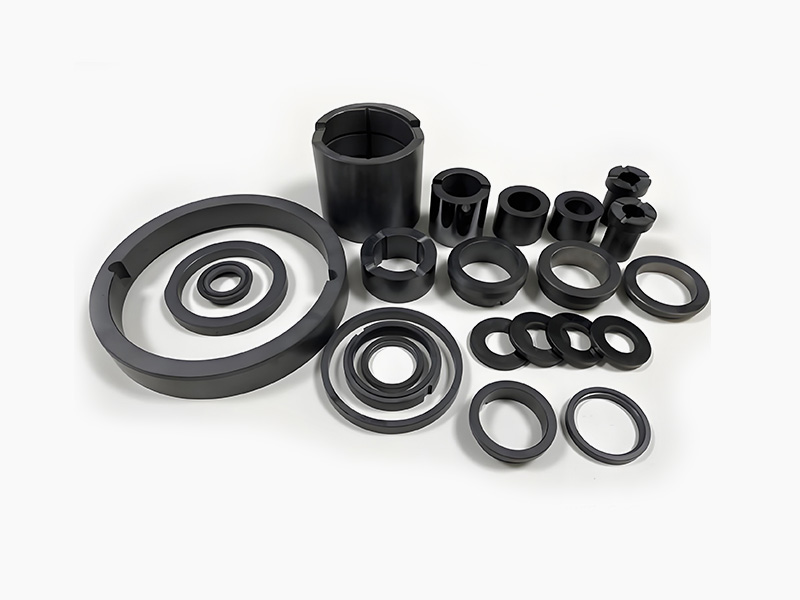
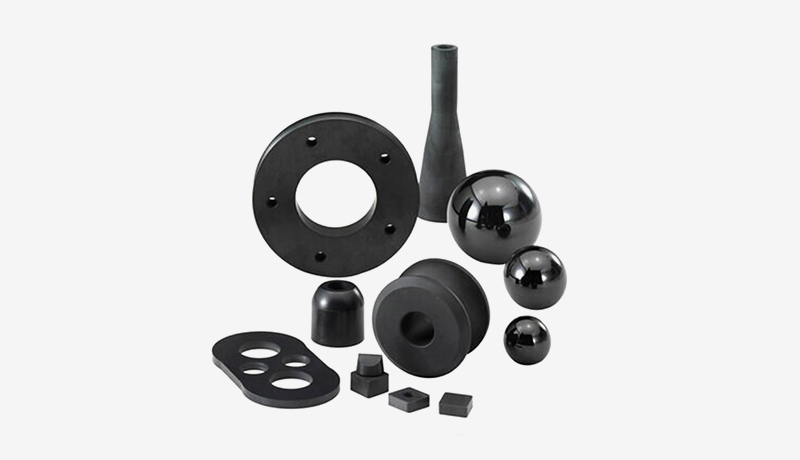
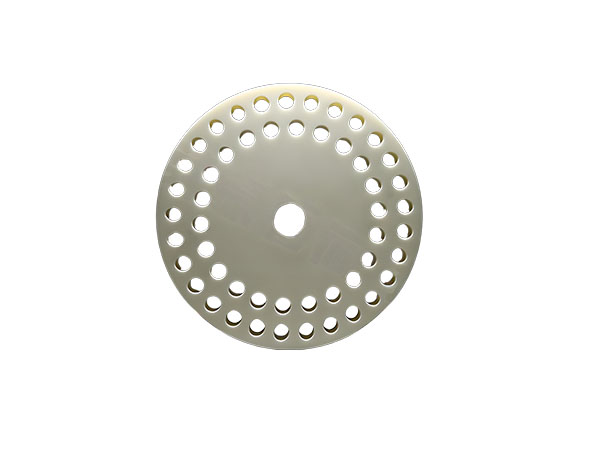
Porous alumina ceramic valve plates, as specialized components for heating equipment, possess the following core characteristics and advantages:
Material Characteristics
1. Porous Structure Design: A microporous structure is formed through a special process, providing both breathability and thermal insulation, making it suitable for heating equipment requiring heat exchange regulation.
2. High-Purity Alumina Substrate: Using 95%-99% alumina (Al₂O₃) as the main material, sintered at a high temperature of 1700℃, a dense corundum structure is formed, ensuring mechanical strength and stability.
Performance Advantages
1. High Temperature Resistance: Can withstand temperatures above 800℃ for extended periods, adapting to the high-temperature environment of thermal insulation equipment.
2. Wear and Pressure Resistance: Rockwell hardness reaches HRC90, and its wear resistance is dozens of times greater than that of metal valve plates, extending the service life of the equipment.
3. Chemical Stability: Resistant to acid and alkali corrosion, suitable for complex media environments, ensuring long-term safety of use.
4. Insulation and Sealing: Excellent high-frequency insulation performance, and high-precision surface grinding ensures sealing, preventing heat leakage.
Application Scenarios
1. Thermal Control Systems: Used in valves of heating equipment to precisely regulate the flow of heat transfer fluid.
2. High-Temperature Seals: Used as sealing components for pipes or containers to prevent leakage of high-temperature gases.
3. Insulation and Heat Barrier Layer: The porous structure can be embedded in the interlayer of equipment, providing both thermal insulation and cushioning functions.
Supports custom specifications.