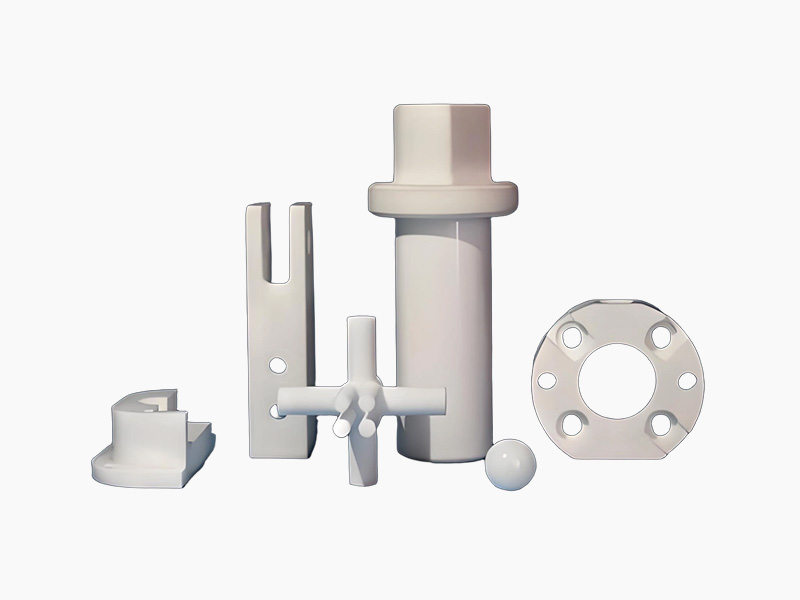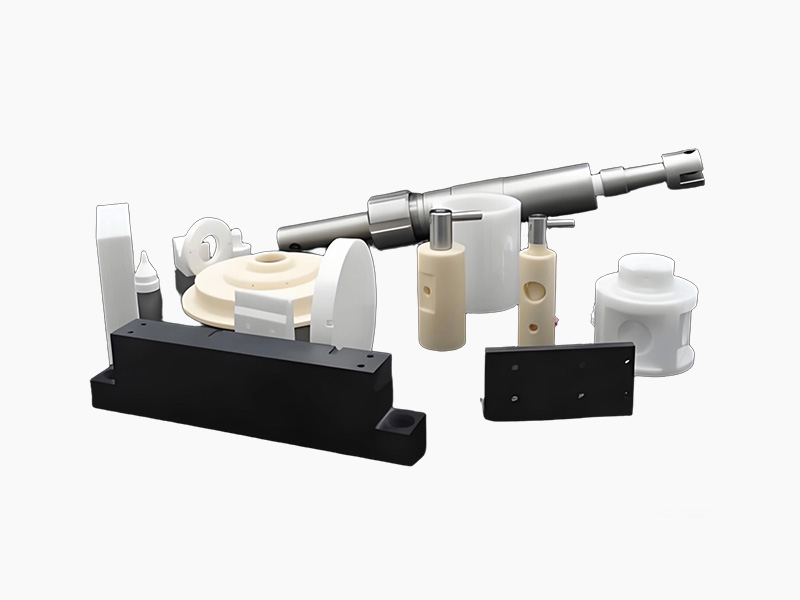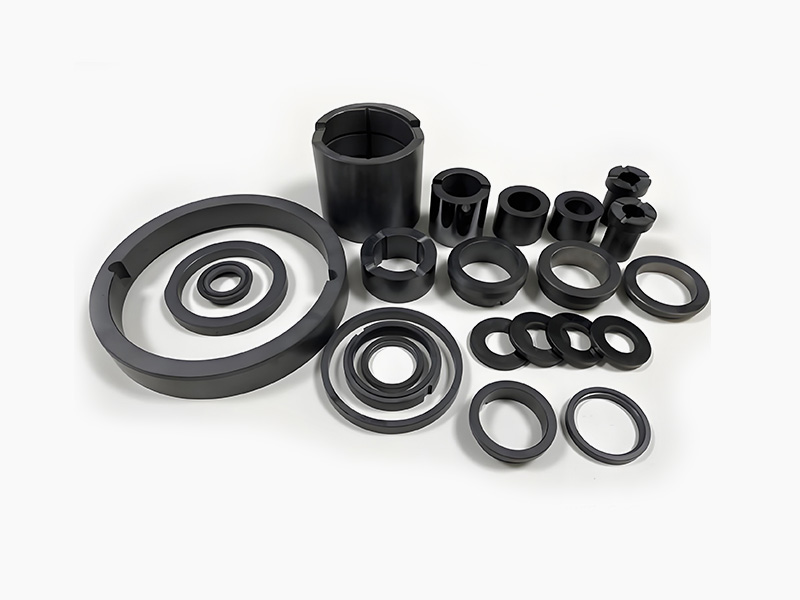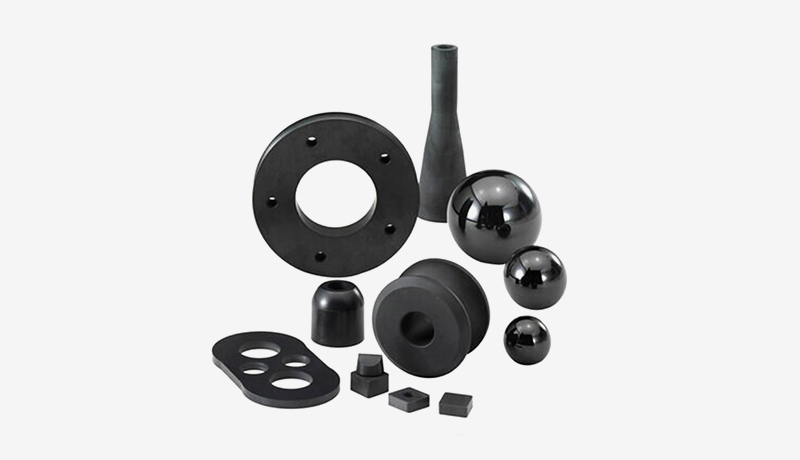
Alumina ceramic connectors are high-performance electronic components primarily used for electrical insulation, high-temperature fixation, and mechanical support. The following is an introduction to their core characteristics and applications:
Material Characteristics
1. High Insulation: Alumina content typically ranges from 75% to 99.9%. Higher purity results in stronger insulation performance, with 99.9% alumina ceramic performance approaching that of sapphire single crystals.
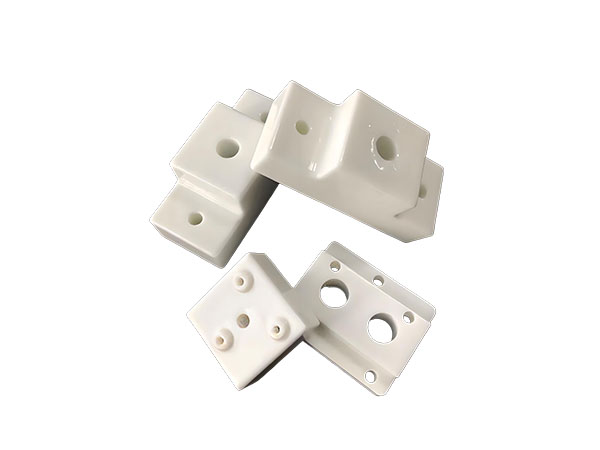
2. High Temperature Resistance: Can withstand high-temperature environments; some products are suitable for high-temperature applications such as welding pads (e.g., double-hole ridge mounting bases).
3. Mechanical Strength: Possesses high compressive strength and wear resistance, suitable for industrial precision machining.
Product Types
1. Terminal Blocks/Insulators: Such as 8-hole high-frequency ceramic terminal blocks, used for circuit connection and insulation protection.
2. Irregularly Shaped Components: Supports custom non-standard shapes (e.g., ceramic boat feet, double-hole mounting bases) to meet special installation requirements.
3. Male/Female Kits: High-temperature ceramic sleeves and insulating washers, used for isolation and fixation of electronic components.
Application Fields
1. Electronics Industry: Integrated circuit substrates, heat dissipation for high-power devices (e.g., as an alternative to beryllium oxide ceramics).
2. Electrical Equipment: High-voltage porcelain, insulators, and band switch brackets.
3. Industrial Machinery: Wear-resistant liners, precision ceramic shafts, and porous ceramic components.
Supports custom specifications.