




Precision is one of the most critical factors in industrial welding. Whether in automotive assembly lines, robotic welding cells, or metal fabrication plants, maintaining accurate positioning of components directly influences weld quality. Even minor misalignment can lead to structural defects, inconsistent weld seams, or increased production costs.
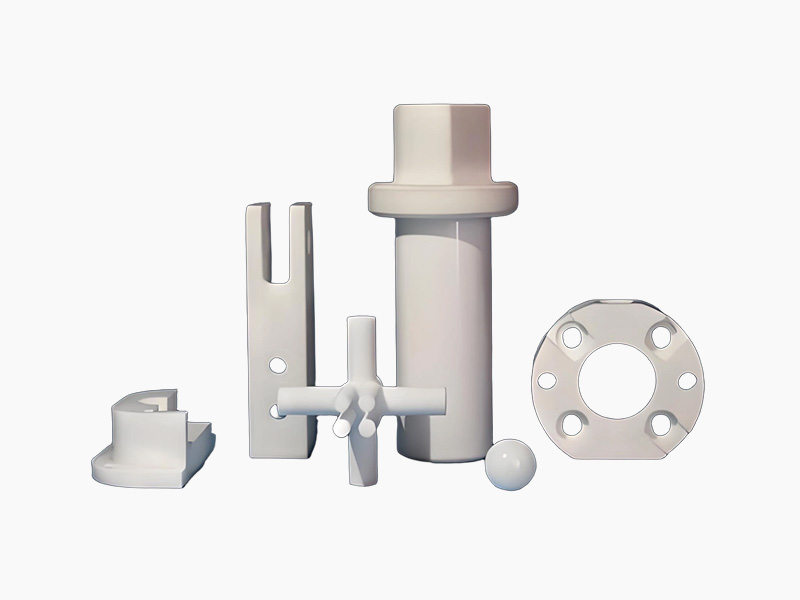
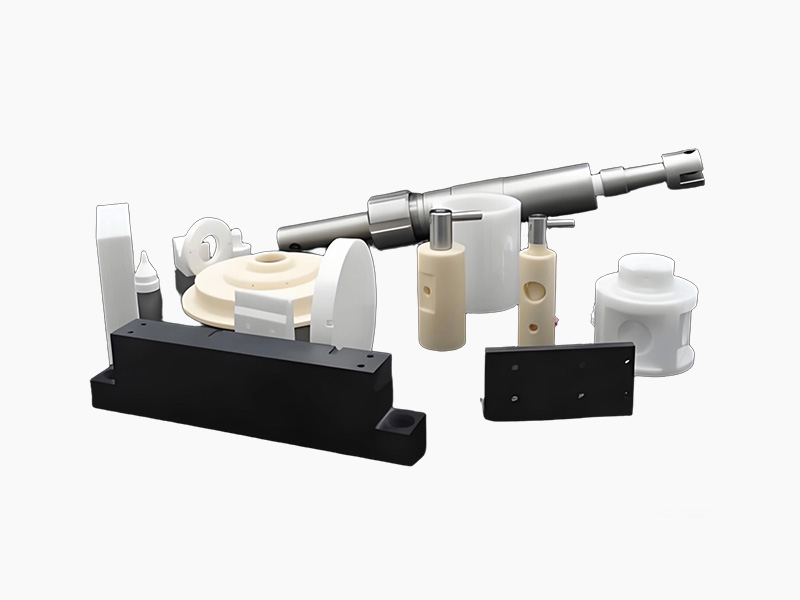
To address these challenges, many manufacturers rely on ceramic welding pins as key positioning elements within welding fixtures. These specialized components provide exceptional dimensional stability, heat resistance, and wear durability, making them ideal for high-precision welding environments.
The Role of Positioning in Welding Fixtures
Welding fixtures are designed to hold workpieces in the exact position required for welding. They ensure that components remain stable throughout the welding cycle and prevent movement caused by heat or mechanical forces.Positioning pins are one of the most important elements within these fixtures. Their main functions include:
1、Locating metal components with high accuracy
2、Maintaining alignment during welding
3、Supporting repeatable production cycles
4、Preventing distortion caused by heat
Traditional steel pins have been widely used for this purpose. However, as welding processes have become more automated and demanding, metal pins often struggle to maintain long-term precision.
Limitations of Traditional Metal Welding Pins
Although steel pins are strong and easy to manufacture, they present several limitations in modern welding environments.
1、Thermal expansion
Metal pins expand when exposed to high temperatures generated during welding. Even slight expansion can affect fixture accuracy and lead to positioning errors.
2、Electrical conductivity
In resistance welding systems, electrical current flows through the workpieces. Conductive metal pins can interfere with current paths and reduce welding efficiency.
3、Wear and deformation
Repeated contact with metal components gradually wears down steel pins. Over time, this wear reduces positioning accuracy.
4、Maintenance requirements
Frequent replacement and adjustment of worn metal pins can interrupt production and increase maintenance costs.These limitations have encouraged manufacturers to adopt advanced materials such as ceramics.
Why Ceramic Welding Pins Offer Higher Precision
Ceramic welding pins provide several advantages that significantly improve fixture accuracy.
1、Excellent Dimensional Stability
Engineering ceramics have extremely low thermal expansion. Even when exposed to high temperatures during welding operations, ceramic pins maintain their original dimensions.This stability ensures consistent alignment throughout the entire production process.
2、High Hardness and Wear Resistance
Ceramic materials are significantly harder than steel. This hardness allows ceramic welding pins to resist wear even after thousands of welding cycles.As a result, the positioning accuracy remains stable for a longer period.
3、Electrical Insulation
Unlike metal pins, ceramic welding pins do not conduct electricity. This property prevents unwanted current flow during resistance welding processes.Maintaining proper electrical paths improves welding efficiency and reduces potential equipment issues.
4、Smooth Surface Finish
Many ceramic welding pins are polished during manufacturing. The smooth surface minimizes friction between the pin and the workpiece, reducing damage and improving repeatability.
Applications in Automated Welding Systems
Modern manufacturing increasingly relies on automated welding systems. In these environments, precision components must operate continuously with minimal maintenance.Ceramic welding pins are widely used in:
1、Automotive body welding fixtures
Automotive factories use thousands of welding points to assemble vehicle bodies. Ceramic pins ensure precise positioning of sheet metal panels.
2、Robotic welding cells
Industrial robots require highly accurate fixtures to maintain consistent weld paths. Ceramic welding pins provide stable alignment even during high-speed operations.
3、Battery pack welding
Electric vehicle battery packs contain many welded connections. Ceramic pins help maintain precise positioning of battery components.
4、Metal fabrication systems
In fabrication workshops, welding fixtures often face harsh environments. Ceramic welding pins offer long-lasting performance under high temperatures and repeated use.
Long-Term Cost Advantages
Although ceramic welding pins may have a higher initial cost compared with steel pins, they often provide significant long-term savings.
1、Reduced maintenance
Their wear resistance means fewer replacements are required.
2、Improved production consistency
Stable positioning reduces the risk of welding defects.
3、Lower downtime
Because ceramic pins last longer, production interruptions are minimized.These factors make ceramic welding pins a cost-effective solution for high-volume manufacturing environments.
Conclusion
Precision welding requires reliable fixture components capable of maintaining alignment under demanding conditions. Ceramic welding pins offer superior dimensional stability, electrical insulation, and wear resistance compared with traditional metal pins.
By integrating ceramic welding pins into modern welding fixtures, manufacturers can improve weld quality, increase production efficiency, and reduce maintenance costs. As automated manufacturing continues to grow, these advanced ceramic components will become increasingly important in high-precision welding applications.