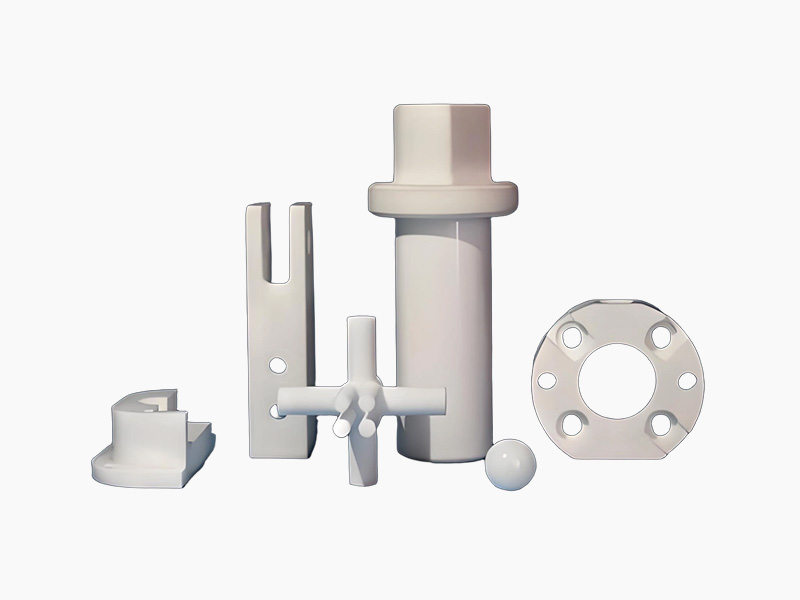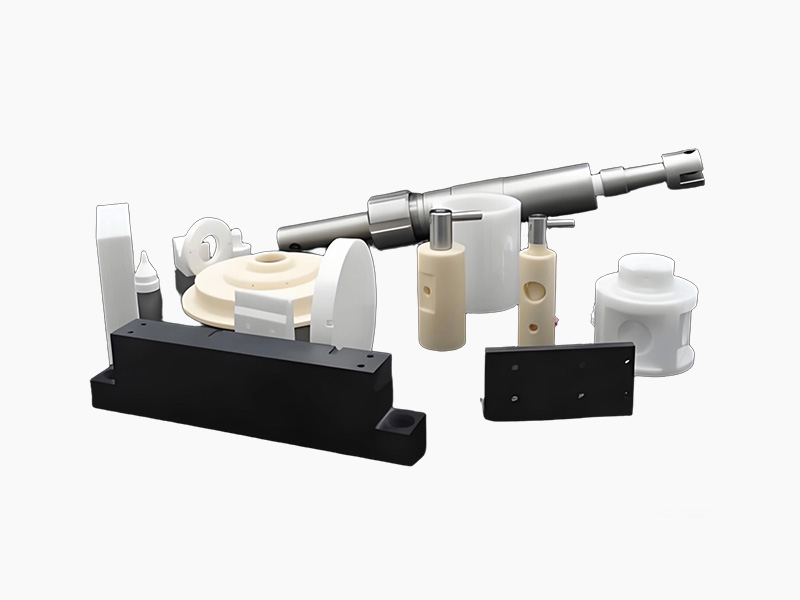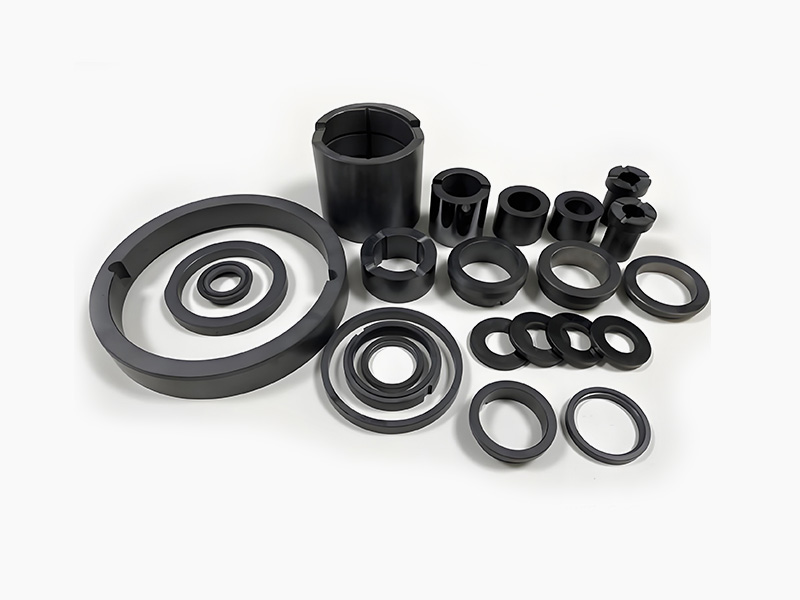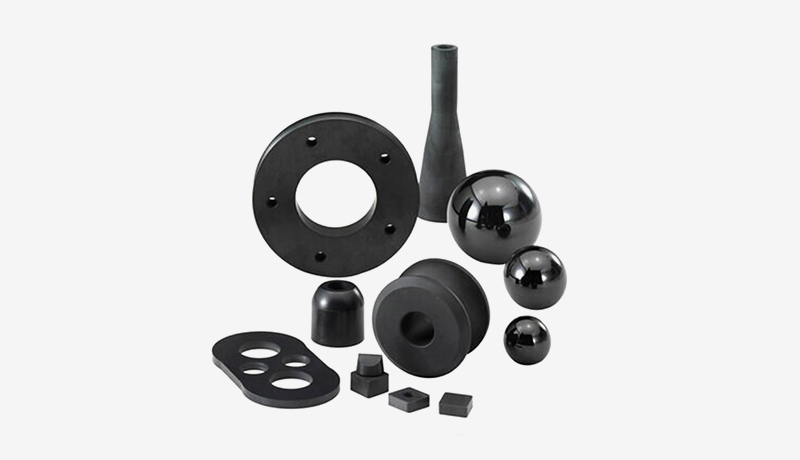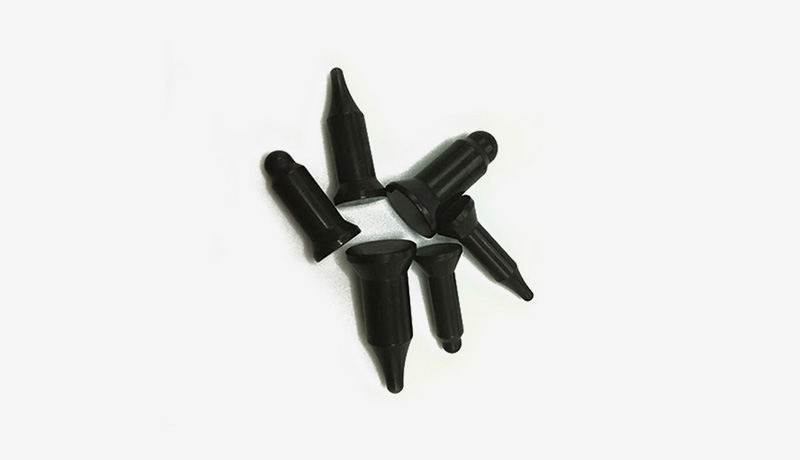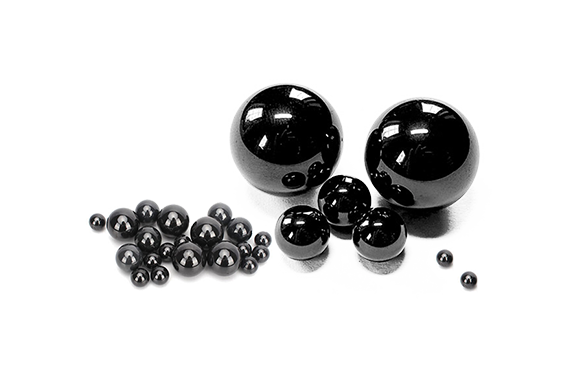
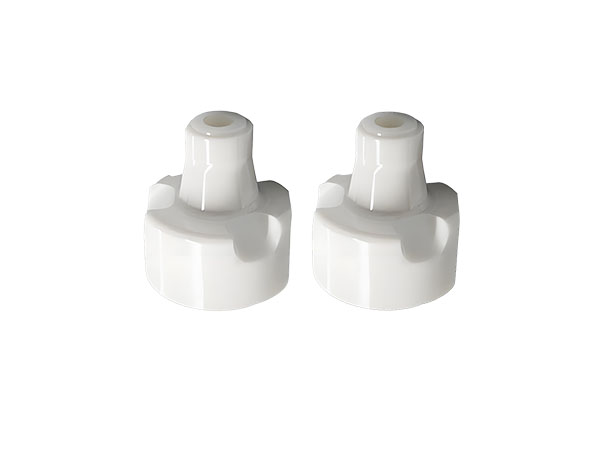
Comprehensive Introduction to Zirconia Core Products
Zirconia cores are industrial refractory products made from stabilized zirconia (ZrO₂) as the main raw material, combined with auxiliary materials such as magnesium oxide and yttrium oxide. They are manufactured through grinding, high-pressure molding, and high-temperature firing at 1500℃. This material, formed by high-temperature sintering of zirconia powder, has a dense microstructure, uniform grain size, and a hardness second only to diamond, allowing it to maintain stable performance in extreme environments.
1. Zirconia material has three crystal phases:
Monoclinic zirconia: Low-temperature stable phase (below 1170℃), with an asymmetrical structure, sensitive to small structural changes.
Tetragonal zirconia: Medium-temperature stable phase (1170-2370℃), with higher symmetry and excellent mechanical properties.
Cubic zirconia: High-temperature stable phase (above 2370℃), highly symmetrical, with good ionic conductivity.
Core Performance Advantages
1. Mechanical Properties:
Mohs hardness reaches 7-8.5, close to sapphire.
Bending strength is up to 1200 MPa, three times that of aluminum alloy.
Density is 6.0 g/cm³, lighter than metal materials.
2. Thermal Properties:
Melting point is as high as 2715℃.
Thermal expansion coefficient is close to that of metals, with excellent thermal stability.
Can withstand rapid cooling and heating temperature differences of 1600℃ without cracking.
3. Chemical Properties:
Extremely strong corrosion resistance to most acids, bases, and salts.
Weight loss is less than 0.01g after immersion in 10% hydrochloric acid for 30 days.
The surface is not easily contaminated, avoiding clogging problems.
4. Special Functions:
Low dielectric constant (10-30), does not shield 5G millimeter wave signals.
Oxygen ion conductivity, suitable for solid oxide fuel cells.
Excellent biocompatibility, suitable for medical implants.
Application areas
Application areas | Application Scenarios | Performance advantages |
mechanical Engineering | Bearings, valves, pump bodies, nozzles | Wear-resistant, corrosion-resistant, and long-lasting. |
Automobile manufacturing | Turbocharger rotor, oxygen sensor | High temperature resistance, 40% longer lifespan. |
Electronic communication | 5G base station filters, chip carriers | Signal penetration, plasma resistance |
Healthcare | Artificial joints, dental implants | Biocompatible, aesthetically pleasing, and durable. |
Energy and environmental protection | Fuel cells, nuclear reactor cladding | Ionic conductivity, radiation resistance |
precision instruments | Watch movements, optical components | High precision, self-lubricating |
Supports custom specifications.