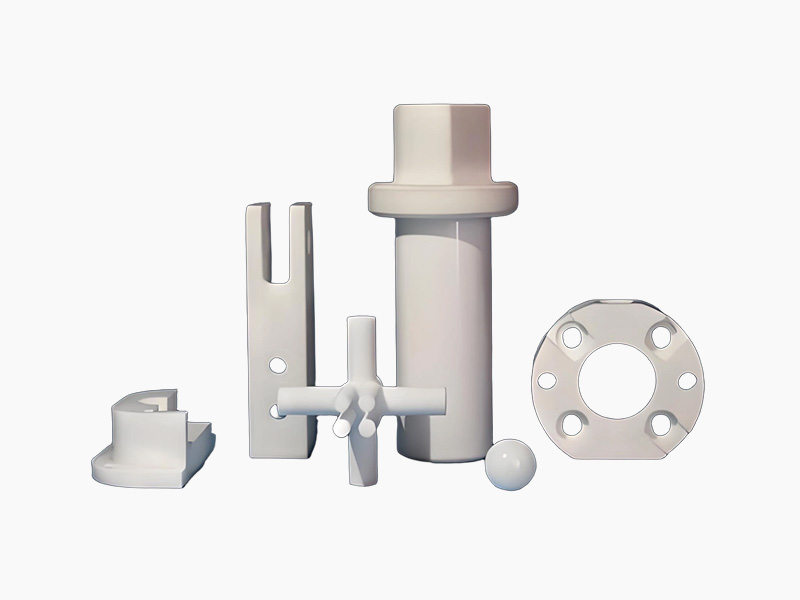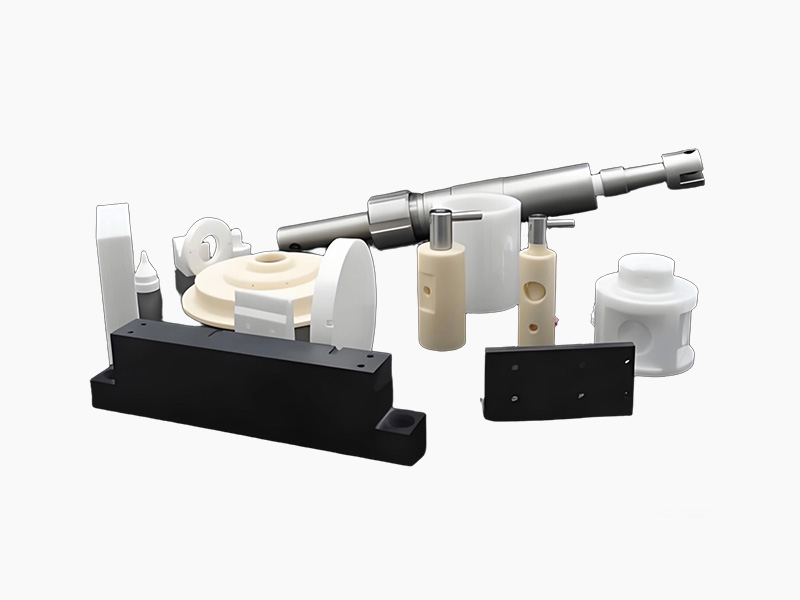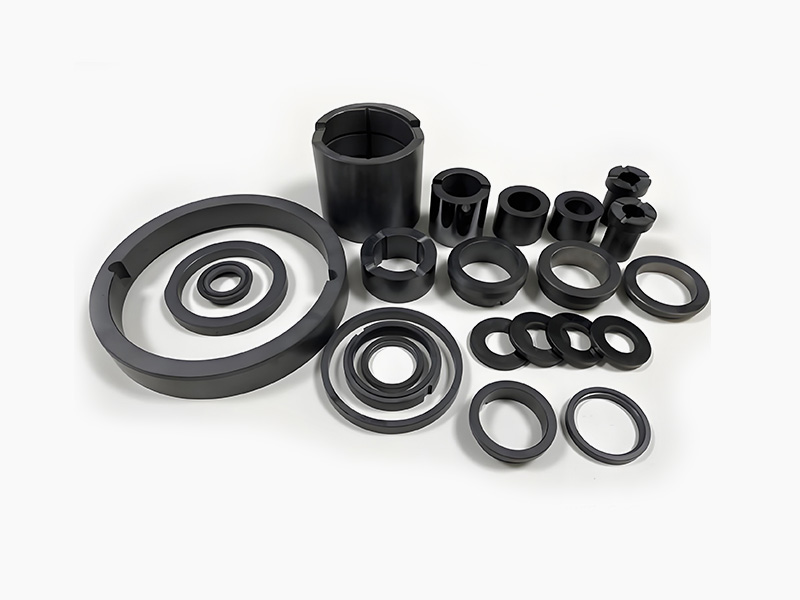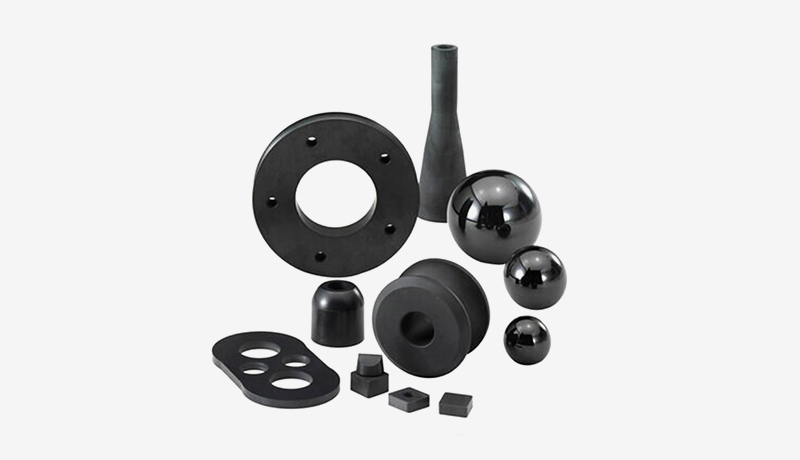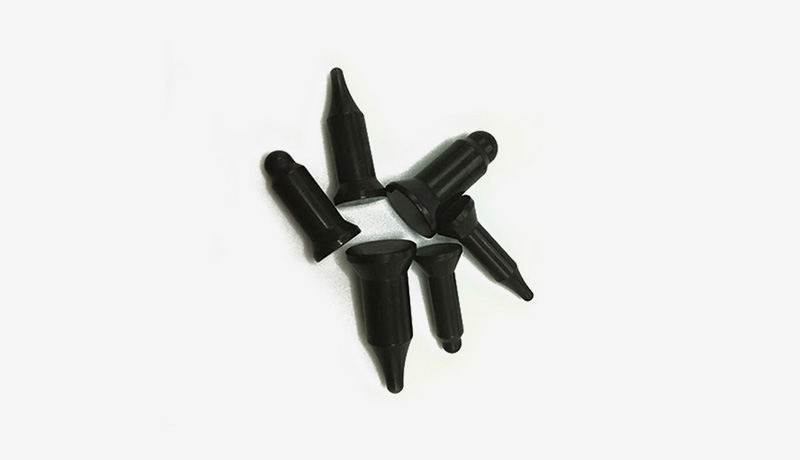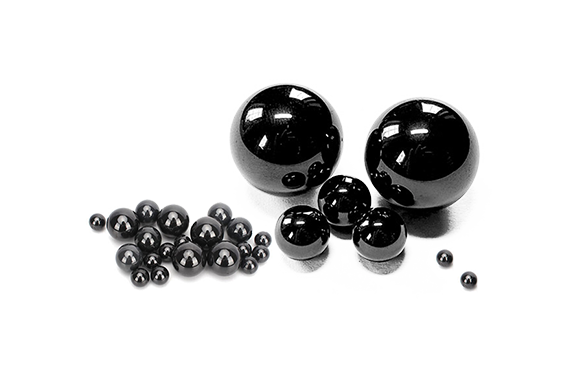
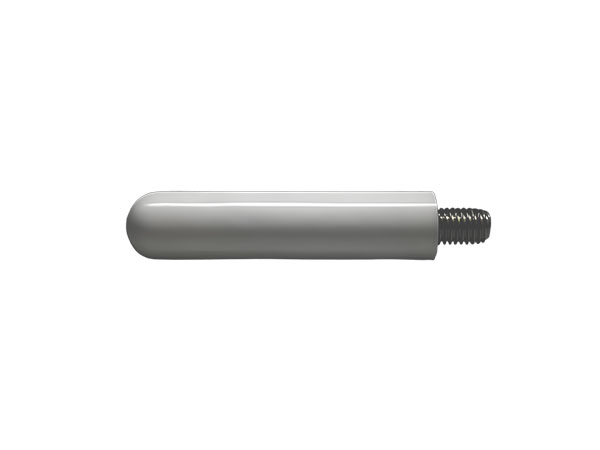
Material: Zirconium dioxide (ZrO₂).
Density: 6.0 g/cm³.
Vickers Hardness: 1250 HV.
Young's Modulus: 250 GPa.
Maximum Operating Temperature: 1000-1300℃.
Size Range: Diameter 0.5mm to 160mm or larger (customizable).
Machining Accuracy: Cylindricity error ≤ 2 micrometers (200mm length).
Zirconia Ceramic Core Rod Product Introduction
Zirconia ceramic core rods are high-performance ceramic products primarily composed of zirconium dioxide (ZrO₂), characterized by high hardness, high wear resistance, excellent toughness, and good biocompatibility.
Application Fields
1. Medical Field
Dental Restoration: Over 60% of all-ceramic crowns globally use zirconia bases, with an annual growth rate of 19.67% in the domestic market.
Artificial Joints: Zirconia ceramic prostheses have a wear rate 99% lower than traditional metals.
Surgical Instruments: High-precision and corrosion-resistant surgical tools.
2. Electronics and Semiconductors
Semiconductor Equipment: Achieves a repetitive positioning accuracy of ±1μm at 300 cycles per hour.
Oxygen Sensors: Utilizes high-temperature oxygen ion conductivity.
Fuel Cells: YSZ membranes achieve an ionic conductivity of 0.1 S/cm at 800℃.
3. Industrial Applications
Wear-Resistant Components: Wear rate in mining machinery is 80% lower than that of metals.
Cutting Tools: Lifespan is 3-5 times longer than traditional tools.
High-Temperature Components: Coatings on aircraft engine turbine blades can withstand temperatures above 1000℃.
Main features
Characteristic | Technical Parameters | Advantages |
hardness | Mohs hardness 8.5-9.1 | Close to natural diamonds in properties, with excellent wear resistance. |
toughness | Fracture toughness: 8 MPa·m¹/² | Through phase transformation toughening technology, it exhibits strong impact resistance. |
Flexural strength | 800-1200MPa | It is three times stronger than aluminum alloy and has a strong ability to withstand high loads. |
High temperature resistance | Melting point: 2700℃ | It can operate stably for extended periods at temperatures between 1000 and 1300℃. |
Corrosion resistance | The annual corrosion depth is only 2.5 μm. | It is 1/200th the size of 316 stainless steel. |
Biocompatibility | Metal ion precipitation < 0.01 ppb | Suitable for medical implants. |
Supports custom specifications.