
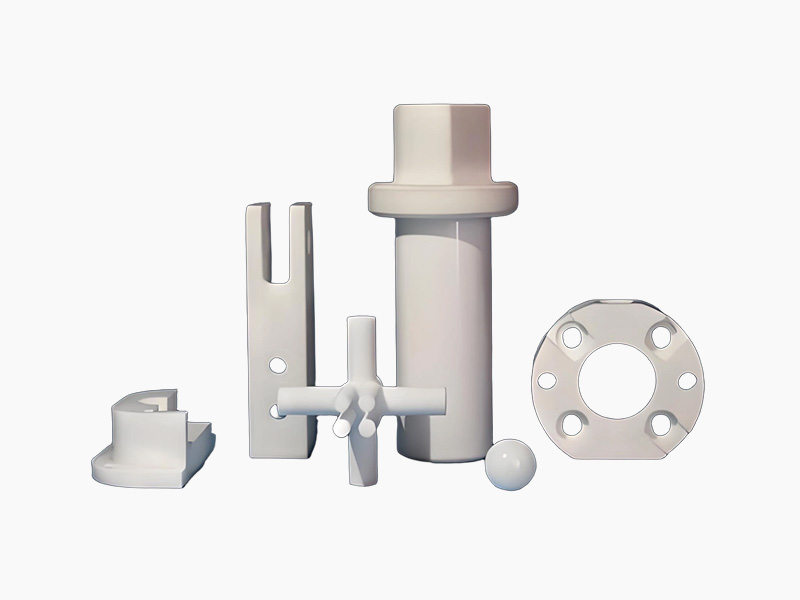
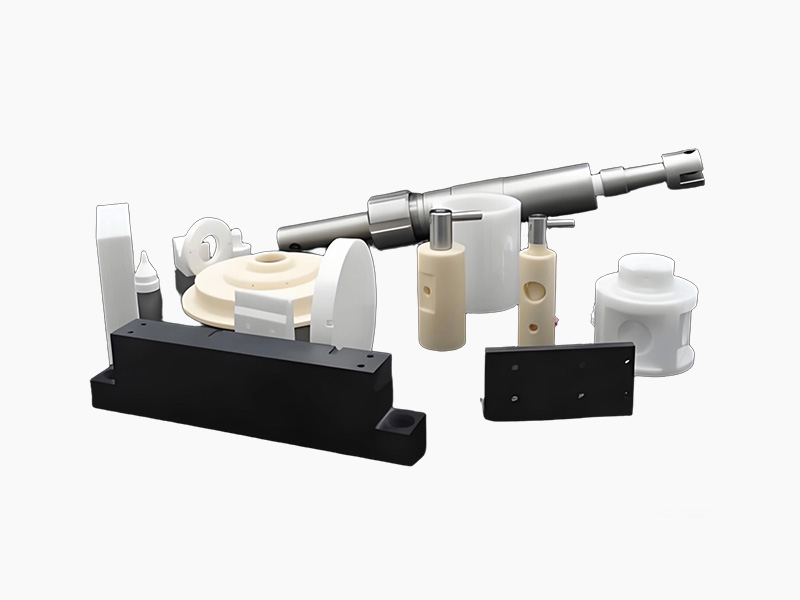






Silicon nitride ceramic pins have become a cornerstone material in modern high-precision engineering. As industries push toward tighter tolerances, higher speeds, and more aggressive operating environments, traditional metallic components are increasingly reaching their performance limits. This is where silicon nitride (Si₃N₄) ceramic pins deliver a measurable advantage.
One of the most notable characteristics of silicon nitride ceramic pins is their exceptional mechanical strength combined with low density. Compared to steel pins, they are significantly lighter while maintaining high load-bearing capacity. This makes them ideal for applications where inertia reduction is critical, such as high-speed rotating systems and precision assemblies.
Another defining feature is their outstanding wear resistance. In environments involving repeated friction or contact, metallic pins tend to degrade over time due to abrasion. Silicon nitride, however, exhibits superior hardness, which dramatically extends service life. This directly reduces maintenance intervals and downtime, providing long-term cost efficiency.
Thermal stability is another area where silicon nitride ceramic pins excel. These components maintain structural integrity at temperatures exceeding 1000°C, far beyond the capability of most metals. Additionally, their low thermal expansion coefficient ensures dimensional stability even under rapid temperature fluctuations, which is crucial in semiconductor equipment and aerospace systems.
Corrosion resistance further enhances their value. Silicon nitride is chemically inert in many harsh environments, including acidic and alkaline conditions. This makes ceramic pins suitable for chemical processing, marine systems, and other corrosive applications where metal components would quickly deteriorate.
From a design perspective, silicon nitride ceramic pins also enable higher precision. Advanced manufacturing techniques allow for tight dimensional tolerances and smooth surface finishes, which are essential in applications like alignment systems, positioning mechanisms, and automated assembly lines.
Industries such as automotive, aerospace, electronics, and medical devices are increasingly adopting silicon nitride ceramic pins. In electric vehicles, for example, these pins are used in motor assemblies to reduce weight and improve efficiency. In semiconductor manufacturing, they play a critical role in wafer handling systems due to their cleanliness and stability.
In conclusion, silicon nitride ceramic pins are not just a replacement for metal components—they represent a fundamental upgrade. Their combination of strength, durability, thermal resistance, and precision makes them indispensable in next-generation engineering solutions.