
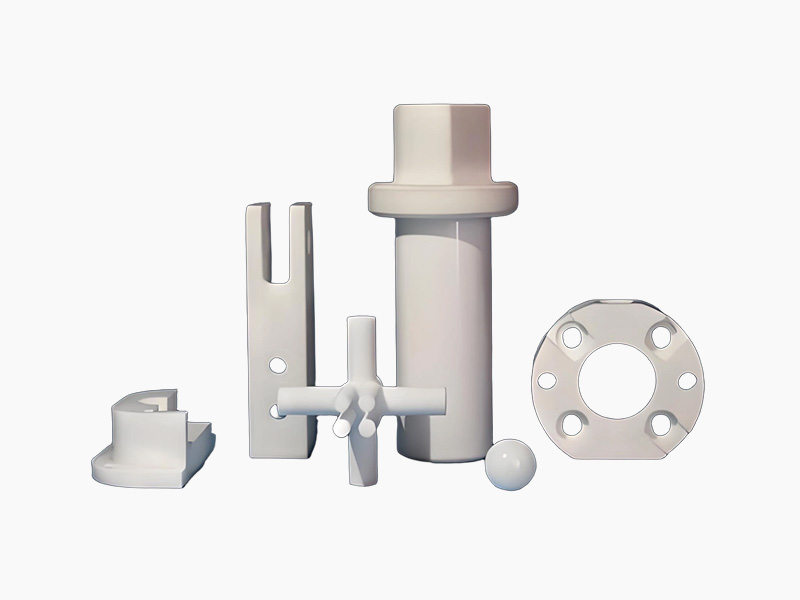
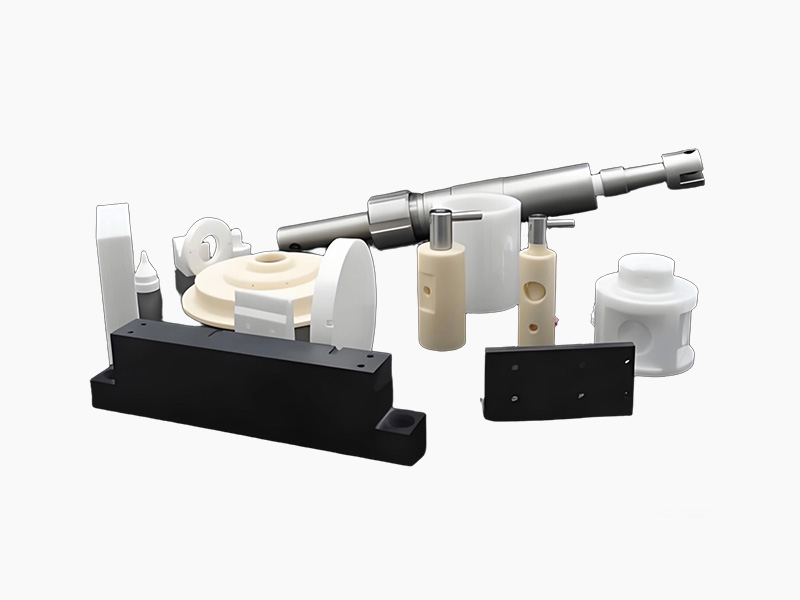





In modern precision manufacturing, alignment accuracy is no longer optional—it is a defining factor for product quality and process efficiency. One component that plays a pivotal role in achieving this precision is the silicon nitride ceramic centering pin. Known for its exceptional mechanical and thermal properties, this advanced ceramic solution is increasingly replacing traditional metal pins in demanding applications.
Material Advantage of Silicon Nitride
Silicon nitride (Si₃N₄) is an advanced engineering ceramic characterized by:
High fracture toughness
Low thermal expansion
Excellent wear resistance
Superior corrosion resistance
These properties allow a silicon nitride ceramic centering pin to maintain dimensional stability even under extreme conditions, including high-speed machining and thermal cycling.
Precision Alignment in Critical Applications
Centering pins are essential for ensuring accurate positioning in:
CNC machining fixtures
Semiconductor wafer alignment systems
Automotive assembly tooling
Aerospace component manufacturing
Unlike steel pins, ceramic centering pins resist deformation and maintain consistent tolerances over time, reducing cumulative alignment errors.
Thermal Stability and Its Impact
One of the most significant advantages of silicon nitride is its low coefficient of thermal expansion. In environments where temperature fluctuations are frequent, such as semiconductor processing or high-speed machining, thermal distortion can lead to misalignment.Using a silicon nitride ceramic centering pin ensures:
Stable positioning under heat
Reduced thermal drift
Improved repeatability
Wear Resistance and Longevity
Traditional metal pins are prone to wear, especially in abrasive environments. Silicon nitride, however, offers:
Exceptional hardness
Minimal surface degradation
Longer service life
This translates into reduced maintenance costs and fewer production interruptions.
Conclusion
The adoption of silicon nitride ceramic centering pins is a strategic move for manufacturers seeking higher precision, durability, and efficiency. As industries continue to demand tighter tolerances, the role of advanced ceramics will only become more critical.