Product Features
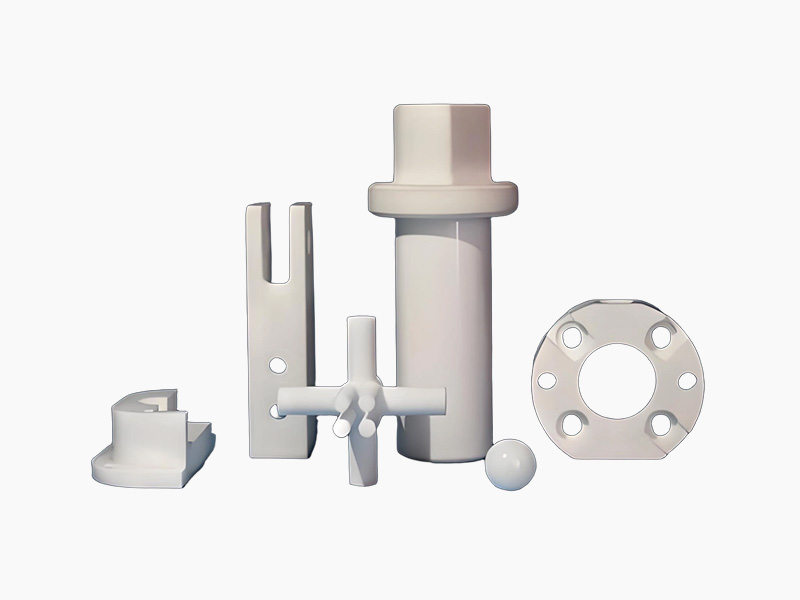
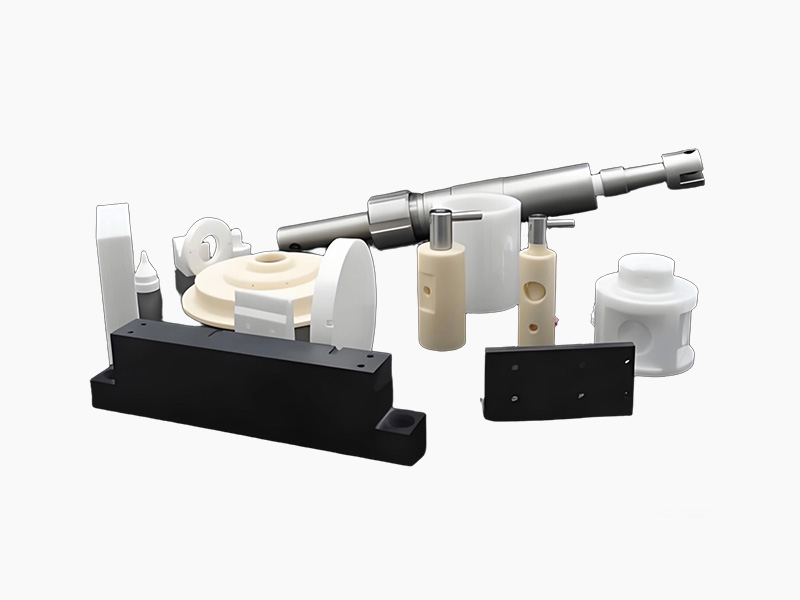
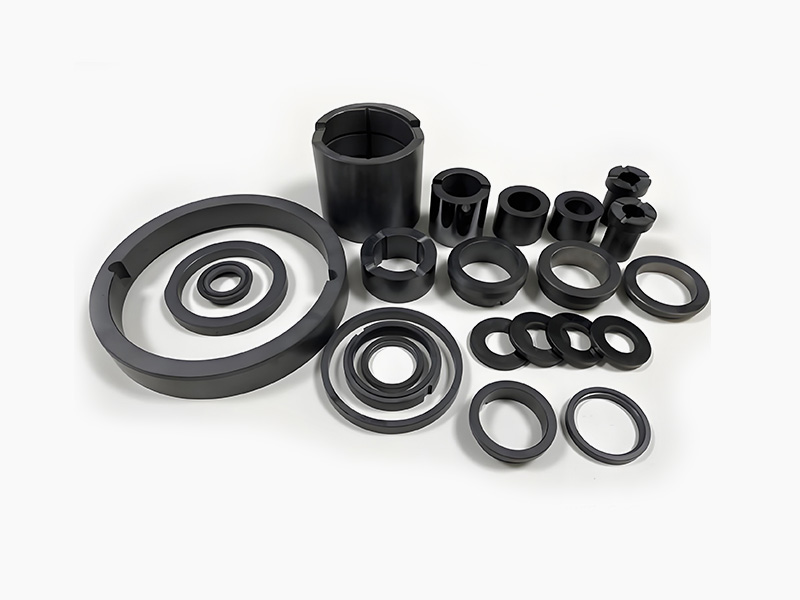
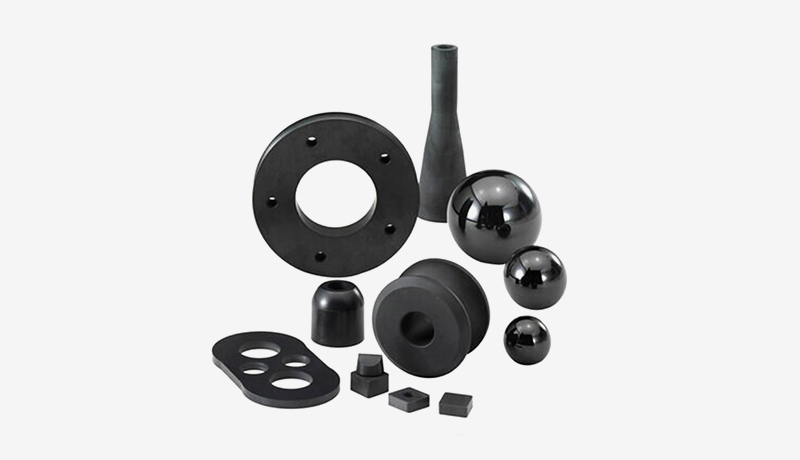
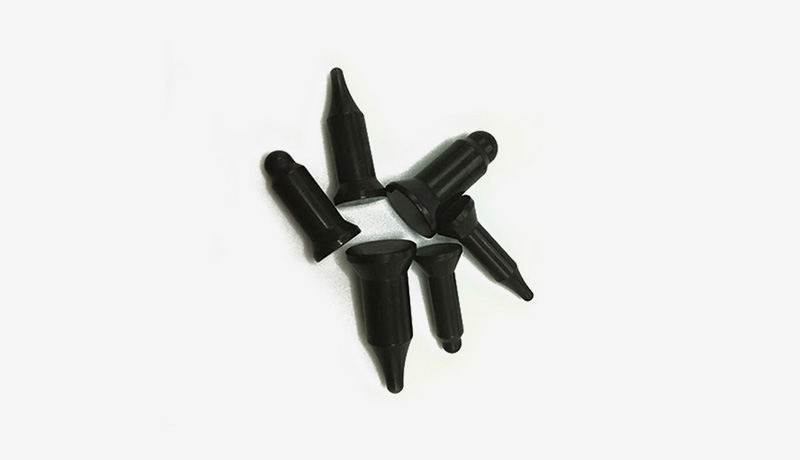
The key feature is the composite structure of tungsten carbide (hard alloy) and ceramic:
1. Tungsten carbide matrix: Provides high strength and hardness, supporting the overall structure.
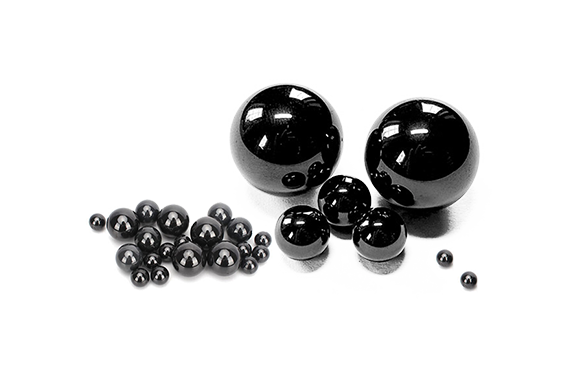
2. Ceramic inlay: Utilizes the high wear resistance and corrosion resistance of ceramic to extend the product's service life under abrasive and corrosive conditions.
Technological Advantages
1. Wear Resistance: The Mohs hardness of ceramic (approximately 9) is significantly higher than that of tungsten carbide (approximately 8.5), enabling it to effectively resist wear from sand particles, metal fragments, and other abrasive materials.
2. Corrosion Resistance: Ceramic exhibits superior resistance to corrosive media such as acids, bases, and salts, extending the service life of the product in harsh environments such as chemical and marine applications.
3. Structural Stability: The tungsten carbide substrate and ceramic are combined through precise processes (such as sintering and bonding), ensuring the strength and reliability of the composite structure.
Application Scenarios
The product is widely used in fields such as mechanical processing, hydraulic systems, and fluid control. Typical scenarios include:
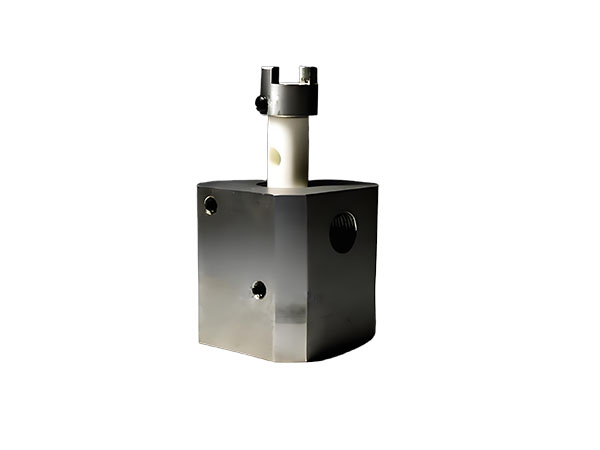
1. Hydraulic valve bodies: Such as metering valves and central valve blocks, the ceramic inlay can withstand fluid erosion and impurity wear, ensuring the long-term stable operation of the hydraulic system.
2. Mechanical components: In processing scenarios such as metal cutting and powder metallurgy, the ceramic wear-resistant layer significantly extends tool life.
3. Fluid/gas control: Used in valves, pumps, etc., the ceramic wear resistance reduces the erosion of the metal substrate by the medium, lowering the failure rate.
Supports custom specifications.