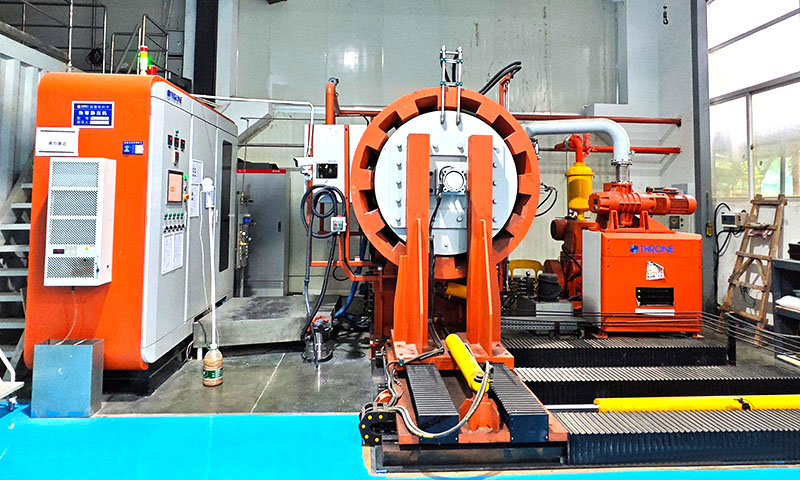

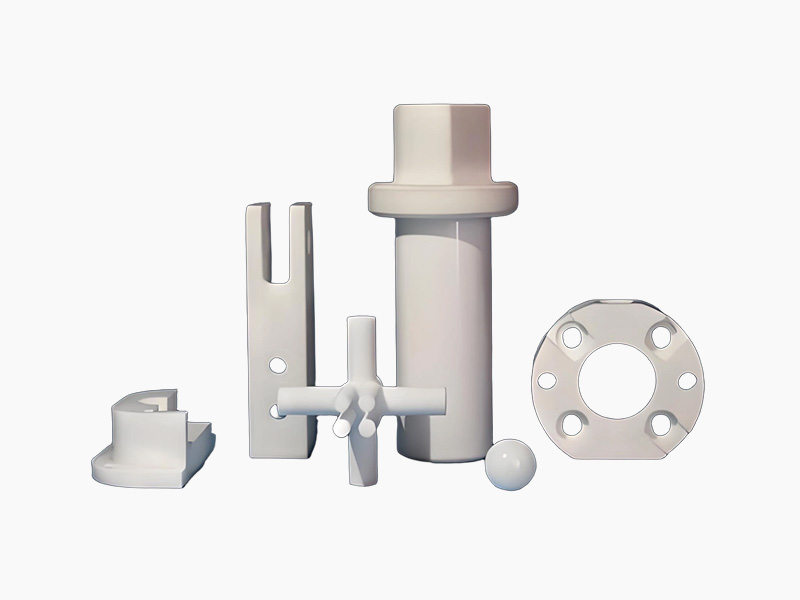
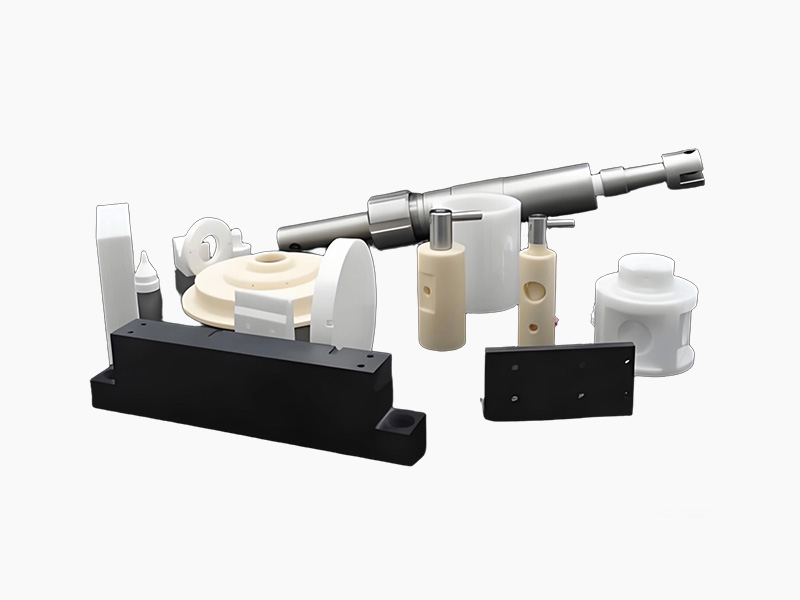
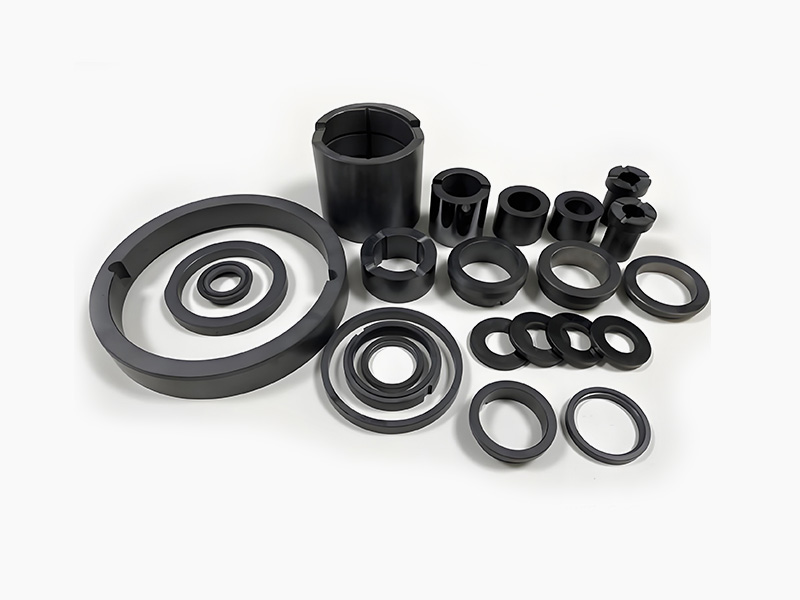





Plasma etching is used to precisely remove material from wafers, shaping transistor features with nanometer accuracy. Bearings in plasma etching equipment must endure high-speed rotation, thermal variations, and chemical exposure. Silicon Nitride (Si3N4) balls are widely adopted for these high-performance applications.
Challenges in Plasma Etching Systems
Plasma etching environments involve reactive gases, vacuum conditions, and high-speed spindle rotation. Traditional metal balls may suffer from corrosion, dimensional drift, and wear, impacting process precision and equipment uptime.Si3N4 balls provide excellent chemical resistance and maintain dimensional stability under these harsh conditions.
High Hardness and Fatigue Resistance
Bearings in etching spindles experience cyclic loading during wafer processing. The superior hardness and fatigue resistance of Si3N4 balls allow long-term operation with minimal deformation, ensuring consistent spindle rotation and process accuracy.
Thermal and Electrical Advantages
Etching chambers experience heat and may include components sensitive to electrical conductivity. Si3N4 balls are electrically insulating and exhibit low thermal expansion, preventing interference with the plasma process and maintaining bearing performance.
Reduced Particle Contamination
Particle generation in etching systems can lead to defects on wafers. Si3N4’s wear resistance ensures minimal debris production, maintaining ultra-clean operating conditions in the vacuum chamber.
Conclusion
In plasma etching applications, Silicon Nitride (Si3N4) balls deliver reliability, precision, and contamination control. Their mechanical and chemical properties make them an essential component for high-yield semiconductor manufacturing.