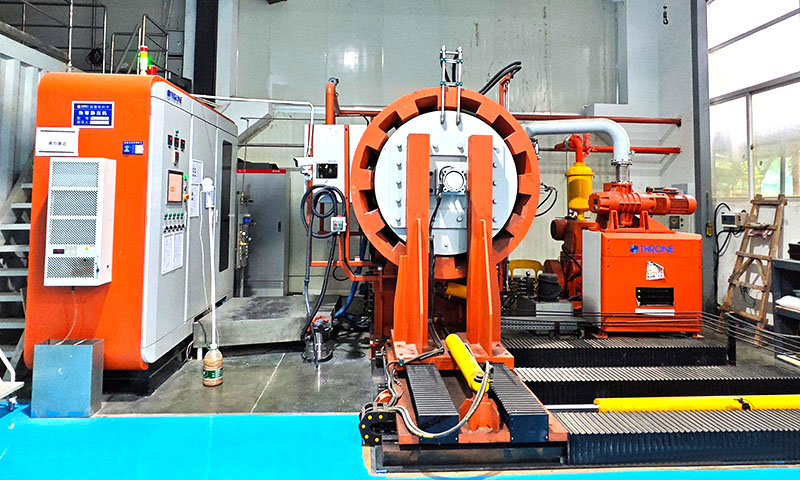

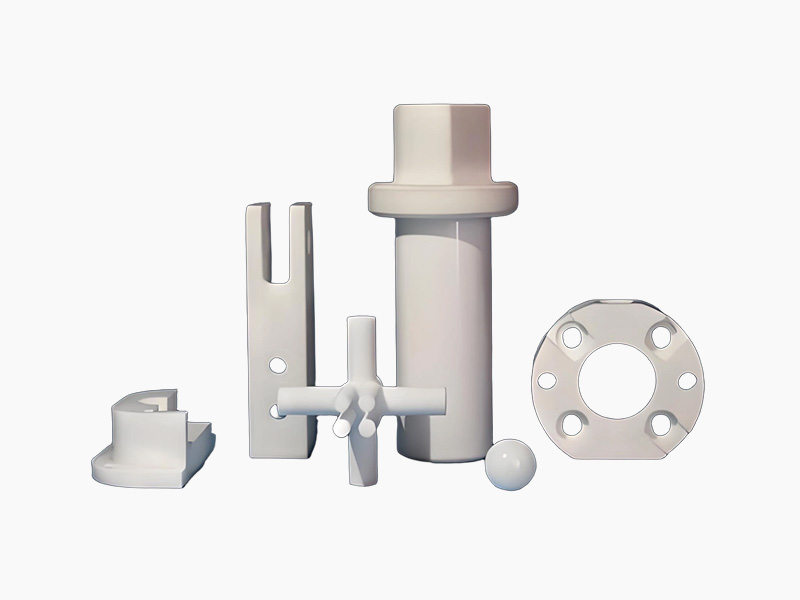
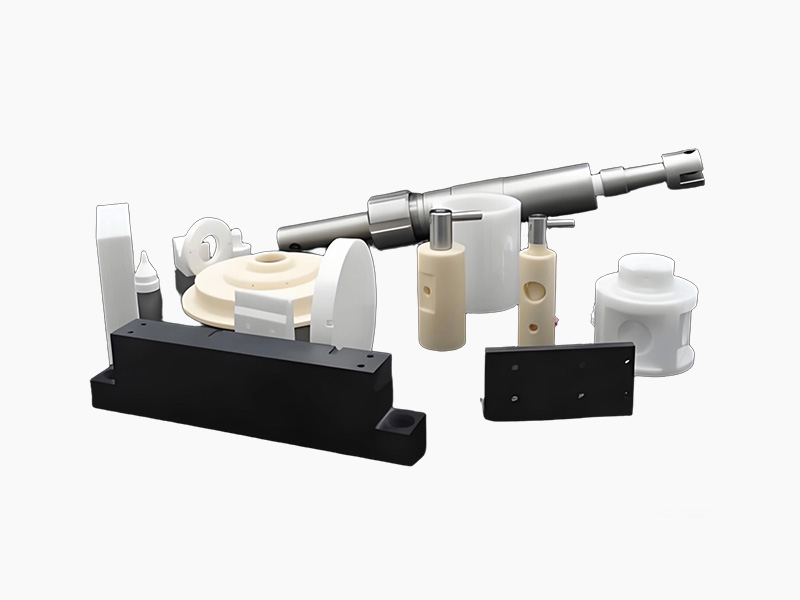
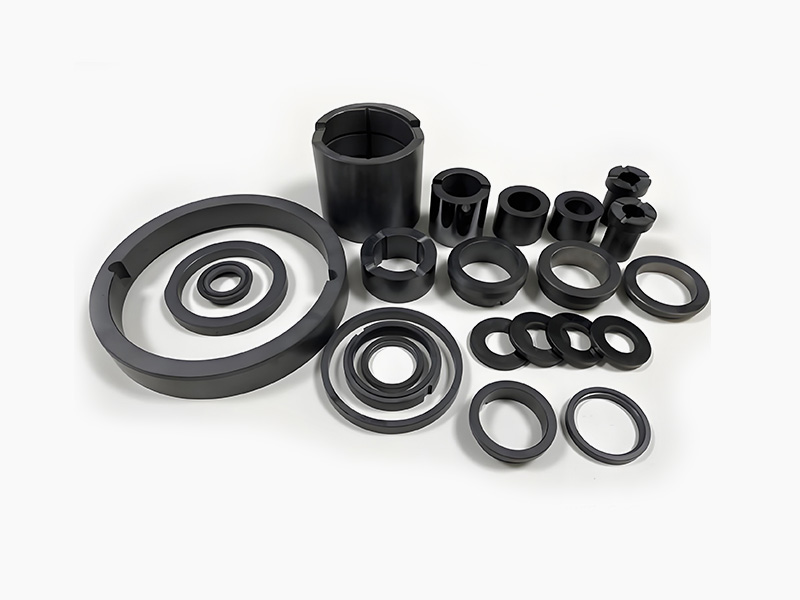





Chemical Mechanical Planarization (CMP) is a cornerstone in semiconductor wafer fabrication, ensuring ultra-flat surfaces for high-density circuits. The efficiency of CMP equipment depends heavily on the bearings in rotating carriers and pads, where Silicon Nitride (Si3N4) balls are now widely applied.
Load and Wear Challenges in CMP
CMP involves heavy carrier loads and constant rotation. Bearings must endure high contact stress while minimizing wear and maintaining precise motion. Metal balls, though common, can suffer from surface fatigue and corrosion due to the abrasive slurry used in CMP.
Si3N4 balls, with their superior hardness and wear resistance, reduce the risk of bearing failure and particle contamination, crucial for maintaining wafer integrity.
Thermal and Chemical Stability
CMP operations generate heat through friction between pads and wafers. Traditional steel balls may expand, causing slight misalignment. Si3N4 balls exhibit low thermal expansion, preserving bearing geometry under fluctuating temperatures.
Their chemical inertness allows them to resist slurry and cleaning agents, maintaining consistent operation without surface degradation.
Smooth Operation with Low Friction
High-speed rotation in CMP requires low-friction bearings to minimize energy loss and heat generation. Si3N4 balls have smoother surfaces than steel, reducing friction and enabling more efficient spindle operation.
Impact on Wafer Quality
The stability provided by Si3N4 balls ensures that carrier rotation remains precise, preventing uneven material removal. This precision directly translates into wafer flatness and overall device yield.
Conclusion
By integrating Silicon Nitride (Si3N4) balls in CMP bearings, semiconductor manufacturers can achieve higher reliability, extended bearing life, and improved wafer quality, all while minimizing contamination risks.