




Precision injection molding is a manufacturing process used to produce high-precision plastic parts for a wide range of industries, including automotive, electronics, and medical devices. The success of precision injection molding depends on the accuracy and reliability of the molding equipment, particularly the components that control the flow of plastic and the movement of the mold. Silicon nitride balls (Si3N4 balls) have become a key component in precision injection molding equipment, offering low friction, high wear resistance, and high precision—all critical for producing high-quality plastic parts. This article explores the benefits of silicon nitride balls in precision injection molding, their role in reducing friction and wear, and their key applications in the industry.
Friction and wear are major challenges in precision injection molding. The mold components, such as guide pins, ejector pins, and valve gates, are subject to constant movement and contact, leading to friction and wear over time. This wear can reduce the precision of the mold, leading to defects in the plastic parts, such as uneven surfaces, incorrect dimensions, and flash. Silicon nitride balls address these challenges with their low friction coefficient and high wear resistance, reducing friction between moving components and extending the lifespan of the mold.
Silicon nitride has a friction coefficient of approximately 0.1, which is significantly lower than steel (0.5-0.7) and other traditional materials. This low friction coefficient reduces the amount of force required to move the mold components, improving the efficiency of the injection molding machine and reducing energy consumption. It also reduces heat generation caused by friction, which can damage the mold and the plastic parts being produced.
In addition to low friction, silicon nitride balls offer exceptional wear resistance. Silicon nitride has a Mohs hardness of 9, making it one of the hardest materials available. This hardness ensures that the balls do not wear down easily, even with repeated contact with other mold components. As a result, the mold components remain precise and accurate over time, reducing the need for frequent maintenance and replacement. This not only lowers production costs but also increases productivity by reducing downtime.
Another key advantage of silicon nitride balls in precision injection molding is their high precision. Silicon nitride balls can be manufactured to extremely tight tolerance grades, such as G3 and G5, which are critical for precision injection molding. These tight tolerances ensure that the balls fit precisely in the mold components, maintaining the accuracy of the mold and the plastic parts being produced. The smooth surface finish of silicon nitride balls also ensures that there is no friction-induced damage to the mold or the plastic parts.
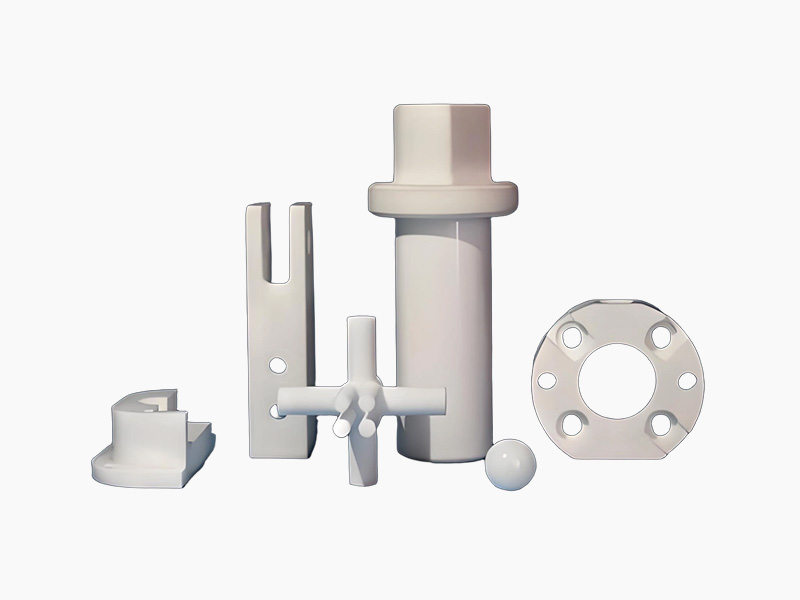
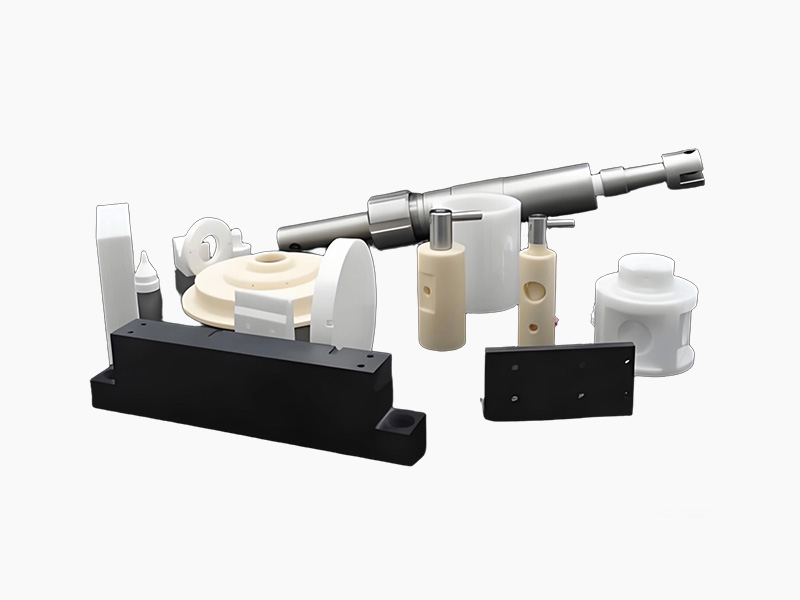
Real-world applications of silicon nitride balls in precision injection molding include mold guide pins, ejector pins, valve gates, and bearing components. Mold guide pins are used to align the two halves of the mold, ensuring that the plastic part is produced with the correct dimensions. Silicon nitride guide pins offer high precision and low friction, ensuring that the mold remains aligned even after repeated use. Ejector pins are used to remove the plastic part from the mold, and silicon nitride ejector pins can withstand the friction and wear associated with this process, reducing defects and improving efficiency.
Valve gates are used to control the flow of molten plastic into the mold, and silicon nitride balls are used in the valve gate mechanism to ensure precise control. The low friction and high precision of silicon nitride balls ensure that the valve gate opens and closes smoothly, controlling the flow of plastic and reducing the risk of defects such as flash or uneven filling. Bearing components in the injection molding machine, such as those used in the screw and barrel assembly, also benefit from silicon nitride balls, as they offer low friction and high wear resistance, improving the efficiency and lifespan of the machine.
When compared to alternative materials for precision injection molding, silicon nitride balls offer several advantages. Steel balls are commonly used but have a higher friction coefficient and are less wear-resistant, leading to more frequent maintenance. Zirconia ceramic balls are also used but are more brittle than silicon nitride, making them more prone to fracture under high loads. Tungsten carbide balls are wear-resistant but are heavy and have a higher friction coefficient than silicon nitride.
When selecting silicon nitride balls for precision injection molding, it’s important to consider factors such as tolerance grade, size, and surface finish. The tolerance grade determines the precision of the ball, with G3 and G5 being the most common grades for precision applications. The size of the ball depends on the specific component, with diameters ranging from 1mm to 30mm. The surface finish is also critical, as a smooth surface reduces friction and wear, ensuring optimal performance.
In conclusion, silicon nitride balls are a critical component in precision injection molding, offering low friction, high wear resistance, and high precision. Their ability to reduce friction and wear, improve mold accuracy, and extend equipment lifespan makes them a valuable investment for injection molding manufacturers. As the demand for high-precision plastic parts continues to grow, the use of silicon nitride balls in precision injection molding is expected to increase. If you’re an injection molding manufacturer looking to enhance the quality and efficiency of your production process, silicon nitride balls are the ideal solution.