




Die casting is a manufacturing process that involves pouring molten metal into a mold to create complex shapes with high precision. The molds used in die casting are subject to extreme temperatures, high pressures, and constant wear, making the choice of materials critical to the efficiency and lifespan of the mold. Silicon nitride balls (Si3N4 balls) have become a preferred choice for die casting molds, offering exceptional high-temperature performance, wear resistance, and thermal shock resistance. This article explores the benefits of silicon nitride balls in die casting molds, their performance under extreme conditions, and their key applications in the die casting industry.
Die casting molds operate at extremely high temperatures, often exceeding 600°C, depending on the type of metal being cast (e.g., aluminum, zinc, magnesium). Traditional materials used in mold components, such as steel, can soften and deform at these high temperatures, leading to mold wear, reduced precision, and frequent replacement. Silicon nitride, however, has excellent high-temperature stability, with a melting point of over 1900°C and the ability to maintain its hardness and strength even at temperatures up to 1200°C. This makes it ideal for use in die casting molds, where high temperatures are a constant challenge.
Another key advantage of silicon nitride balls in die casting molds is their exceptional wear resistance. Die casting molds are subject to constant friction and wear from the molten metal flowing through the mold and the repeated opening and closing of the mold. Silicon nitride has a high hardness (Mohs 9) and low friction coefficient, making it significantly more wear-resistant than steel and other traditional materials. This wear resistance reduces the need for frequent mold maintenance and replacement, lowering overall production costs and increasing productivity.
Silicon nitride balls also offer excellent thermal shock resistance, which is critical in die casting. Thermal shock occurs when a material is exposed to rapid temperature changes, such as when the mold is heated to high temperatures and then cooled quickly after casting. This rapid temperature change can cause traditional materials to crack or fracture, leading to mold failure. Silicon nitride has a low thermal expansion coefficient, which means it expands and contracts minimally when exposed to temperature changes, reducing the risk of thermal shock damage.
In addition to high-temperature performance, wear resistance, and thermal shock resistance, silicon nitride balls are also lightweight. This is beneficial for die casting molds, where lighter components can reduce the overall weight of the mold, making it easier to handle and operate. The lightweight nature of silicon nitride also reduces the stress on the mold frame and other components, extending their lifespan.
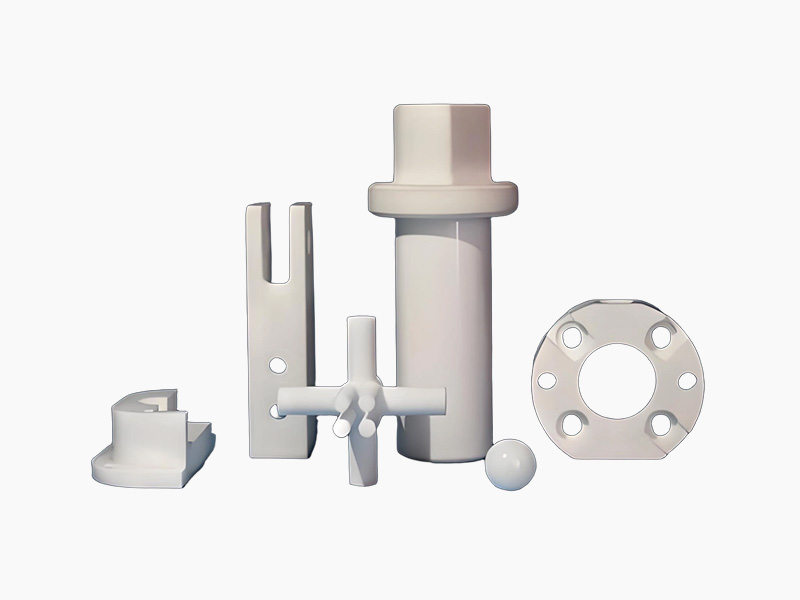
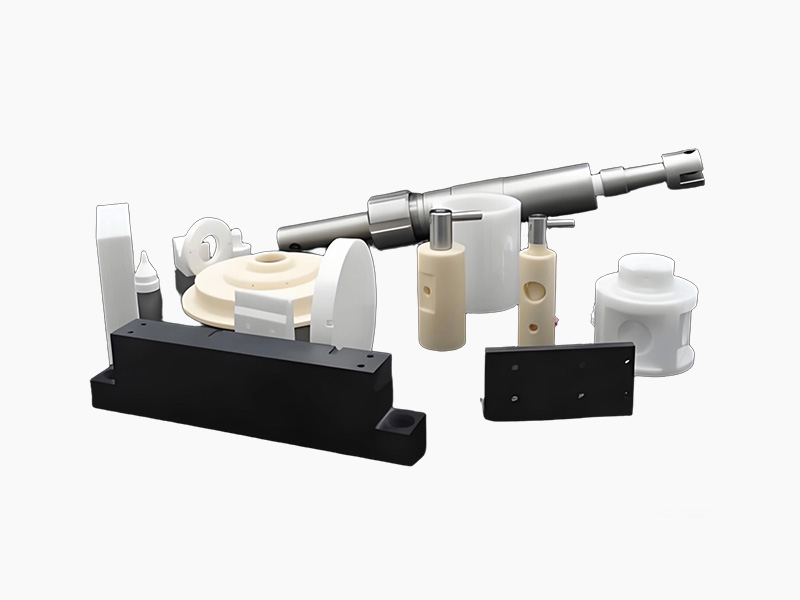
Real-world applications of silicon nitride balls in die casting molds include mold guide pins, ejector pins, and bearing components. Mold guide pins are used to align the two halves of the mold, ensuring precise casting. Silicon nitride guide pins offer high precision and wear resistance, ensuring that the mold remains aligned even after repeated use. Ejector pins are used to remove the cast part from the mold, and silicon nitride ejector pins can withstand the high temperatures and friction associated with this process, reducing wear and improving efficiency.
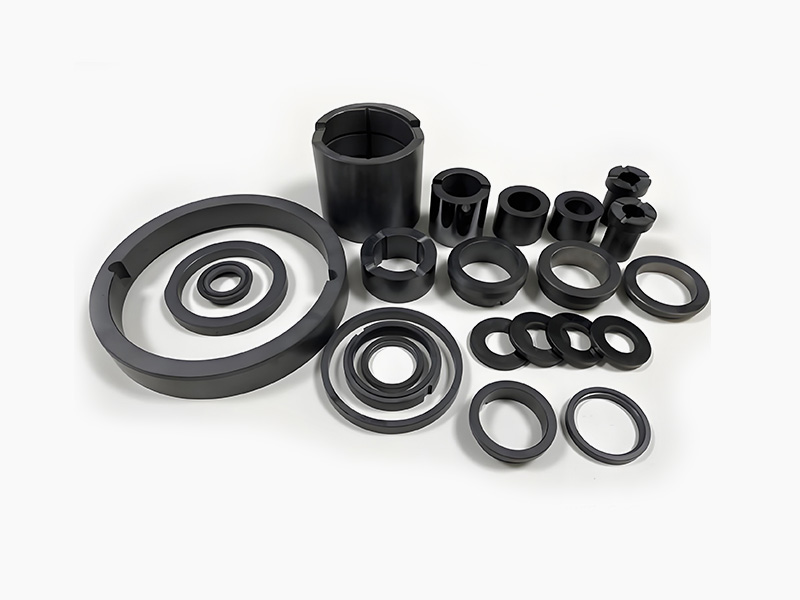
Bearing components in die casting machines, such as those used in the mold clamping system, also benefit from silicon nitride balls. These bearings must withstand high temperatures and pressures, and silicon nitride balls offer the durability and performance needed to ensure smooth operation. Their low friction coefficient also reduces energy consumption, improving the overall efficiency of the die casting machine.
When compared to alternative materials for die casting molds, silicon nitride balls offer several advantages. Steel is commonly used in mold components but softens at high temperatures, leading to wear and deformation. Tungsten carbide is wear-resistant but is heavy and has poor thermal shock resistance. Zirconia ceramic is thermally stable but is more brittle than silicon nitride, making it more prone to fracture under high loads.
When selecting silicon nitride balls for die casting molds, it’s important to consider factors such as size, tolerance grade, and surface finish. The size of the ball depends on the specific component, with diameters ranging from 2mm to 50mm. The tolerance grade ensures that the balls fit precisely in the mold component, with G5 and G10 being the most common grades for die casting applications. The surface finish is also critical, as a smooth surface reduces friction and wear, ensuring optimal performance.
In conclusion, silicon nitride balls are an excellent choice for die casting molds, offering exceptional high-temperature performance, wear resistance, thermal shock resistance, and lightweight properties. Their ability to withstand extreme conditions, reduce maintenance costs, and improve production efficiency makes them a valuable investment for the die casting industry. As the die casting industry continues to advance, with a focus on higher temperatures and faster production cycles, the demand for silicon nitride balls is expected to grow. If you’re a die casting manufacturer looking to enhance the performance and lifespan of your molds, silicon nitride balls are the ideal solution.