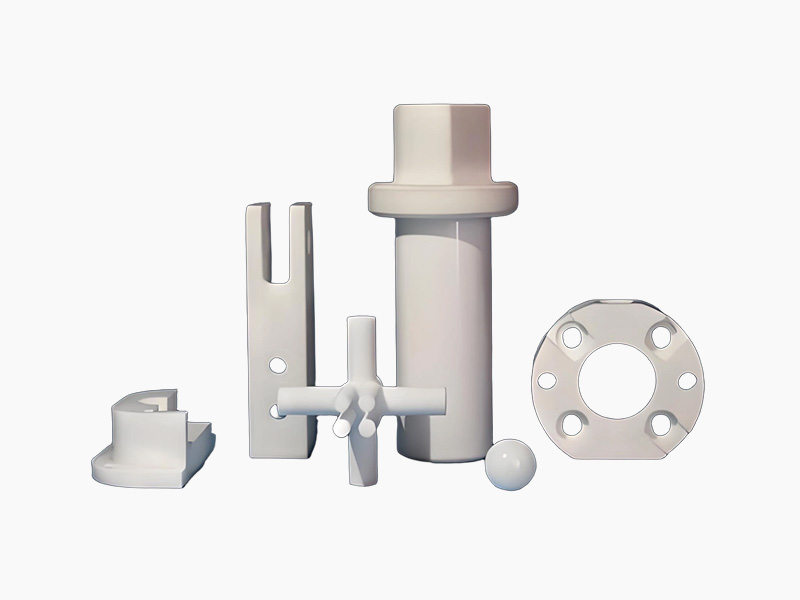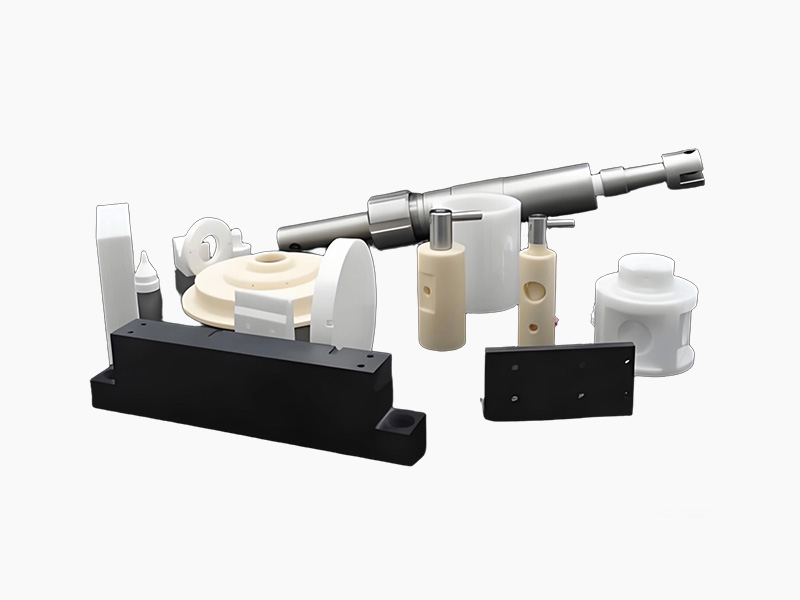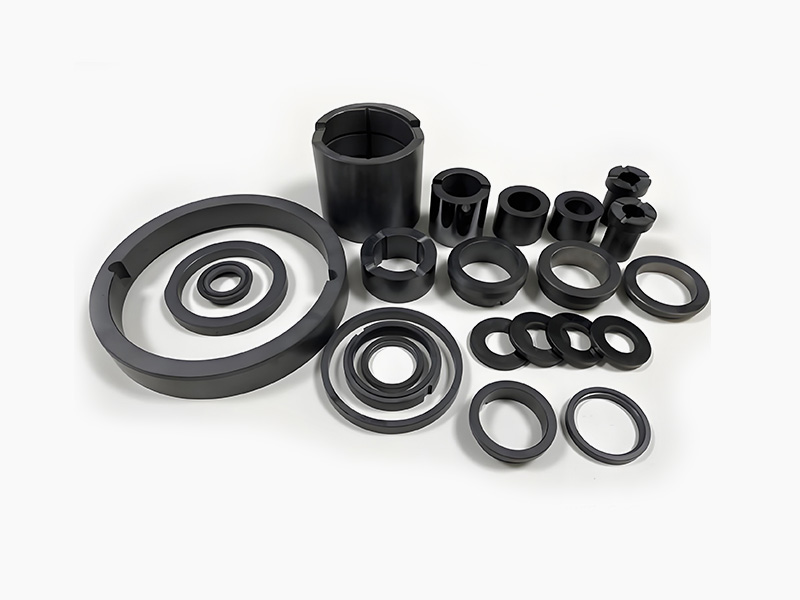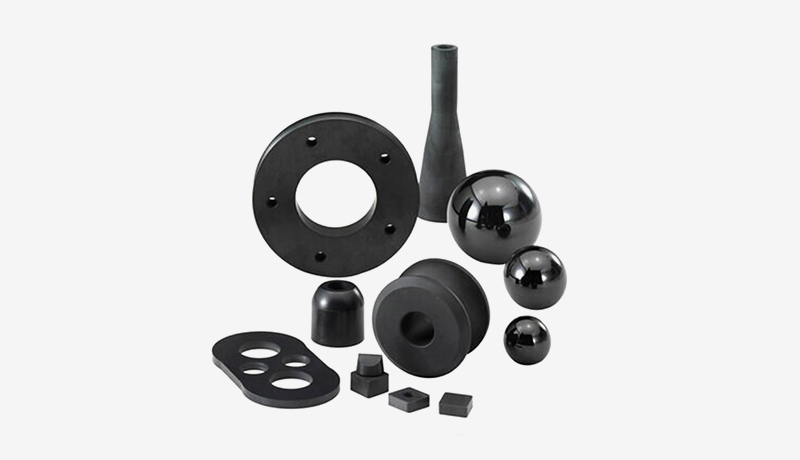
Product Introduction of Silicon Carbide Ceramic Wheels
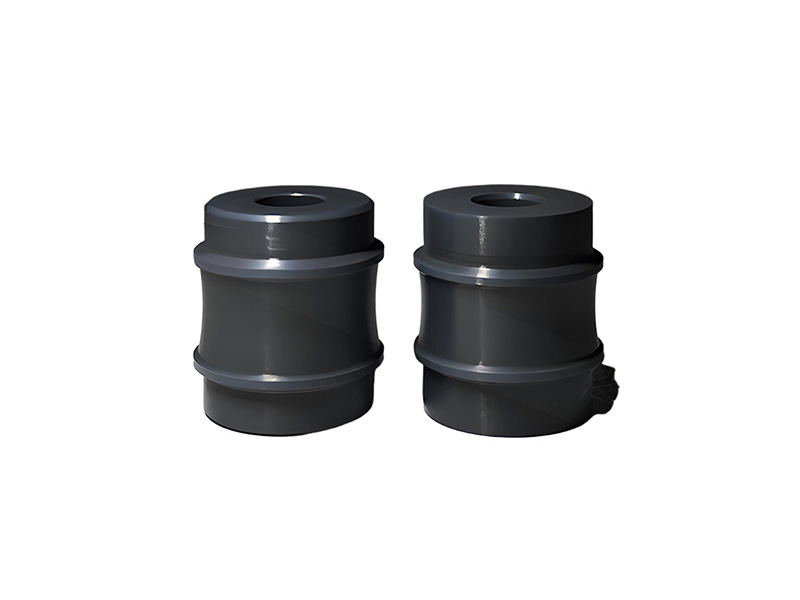
Silicon carbide ceramic wheels are high-performance industrial components made of silicon carbide (SiC), possessing characteristics such as high pressure resistance, wear resistance, and high temperature resistance. They are widely used in demanding environments. Their main applications include:
1. Industrial machinery: Key components in mechanical equipment such as conveying equipment, automated production lines, and printing presses.
2. Abrasives and cutting tools: Grinding and cutting components in metal processing, glass cutting, and stone processing.
3. Automotive and aerospace: Important components in high-end engines and transmission systems.
4. New energy field: Precision components in lithium-ion battery manufacturing.
Manufacturing Process and Material Characteristics
1. Manufacturing Process:
• Raw Material Processing: High-purity silicon carbide powder is used and homogenized through ball milling or spray drying.
• Forming Process: Includes hot pressing (HP), pressureless sintering, and hot isostatic pressing.
• Precision Machining: Grinding, electrical discharge machining, and ultrasonic machining are performed using diamond tools.
• Surface Treatment: Chemical polishing or mechanical polishing is used to improve surface finish.
2. Material Characteristics:
• Atomic Bonding Characteristics: Silicon and carbon atoms are connected through strong covalent bonds, forming a three-dimensional network structure.
• Microstructure Strengthening: Ultra-fine grain size (0.5-1μm) and grain boundary engineering enhance performance.
• Defect Control: Plasma spheroidization pretreatment reduces porosity to below 0.3%.
Application Fields
1. Lithium-ion battery manufacturing: Accounting for nearly 60%, this is the most common application market.
2. Semiconductors: Precision machined components.
3. Chemical equipment: Corrosion-resistant components.
4. Photovoltaic industry: High-temperature processing components.
Technical Parameters
Performance indicators | Reference values | illustrate |
Mohs hardness | ≥9.5 | Second only to diamond, it has excellent wear resistance. |
Elastic modulus | Approximately 420 GPa | It is three times the size of a steel roller of the same dimensions. |
Coefficient of thermal expansion | 4.5×10⁻⁶/℃ | Excellent thermal shock resistance. |
Thermal conductivity | Approximately 120 W/m·K | Excellent heat dissipation performance. |
Compressive strength | >3000MPa | Structurally stable under high pressure loads. |
Temperature resistance | Can reach 1400℃ | Maintains stability in high-temperature environments. |
Supports custom specifications.