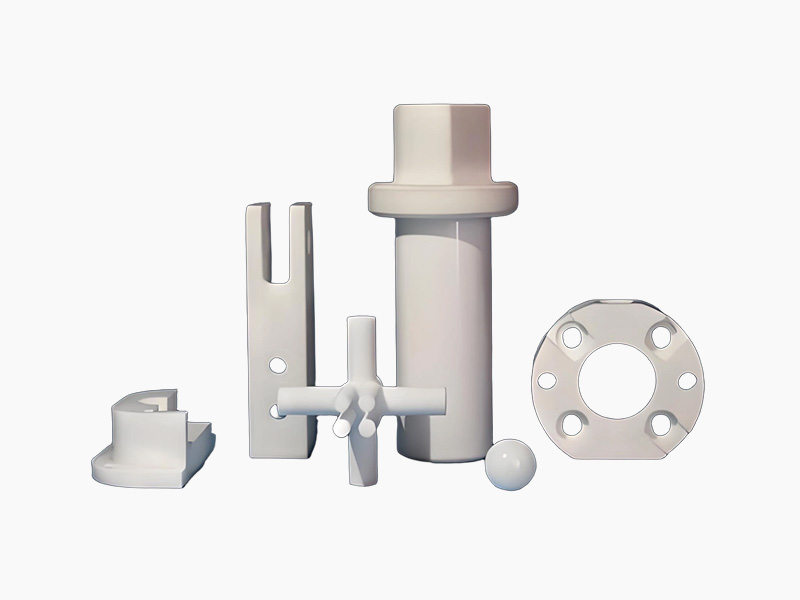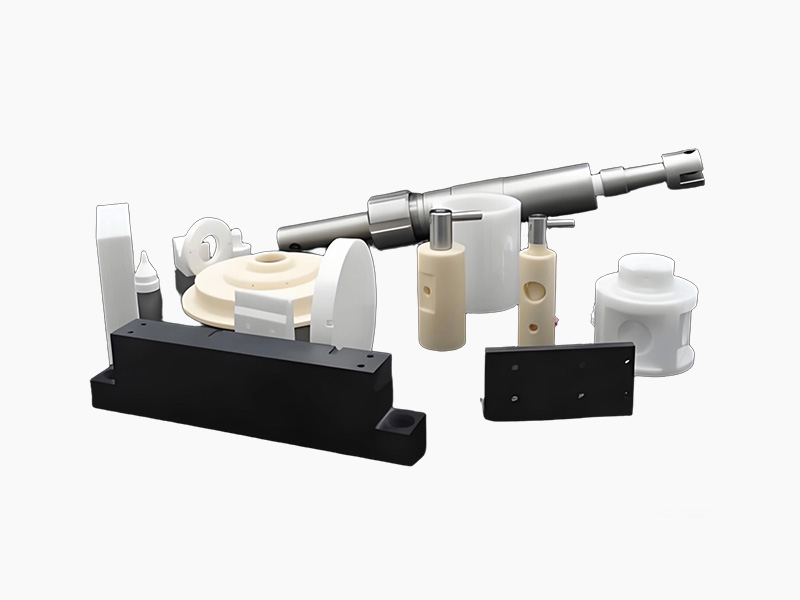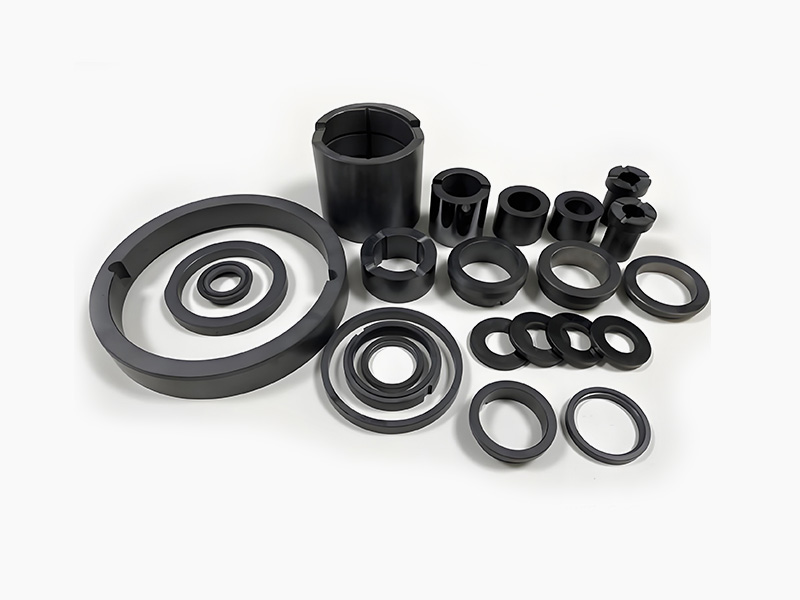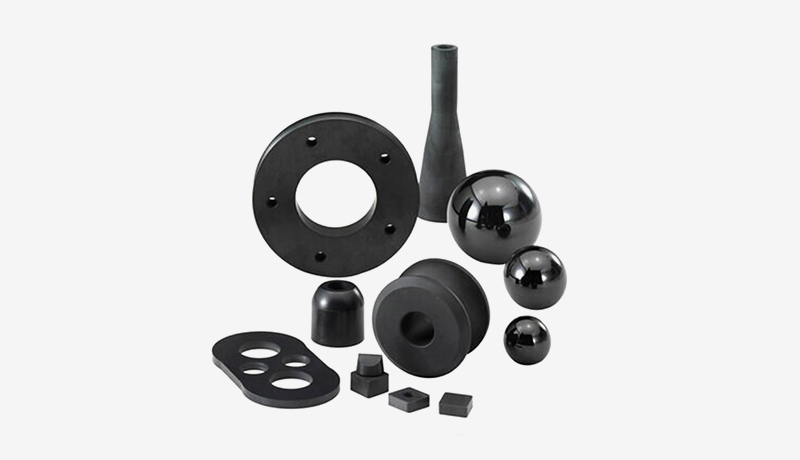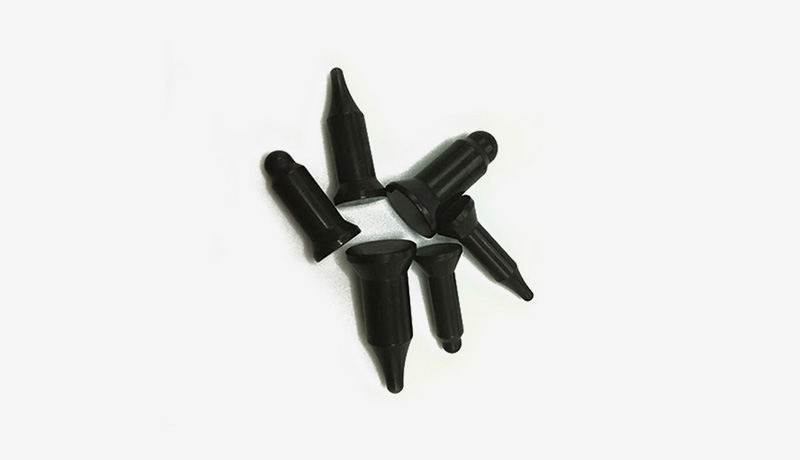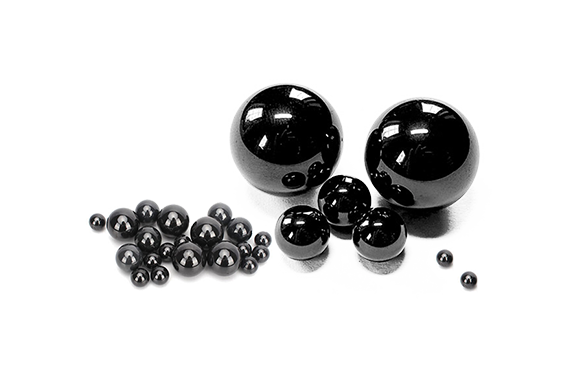
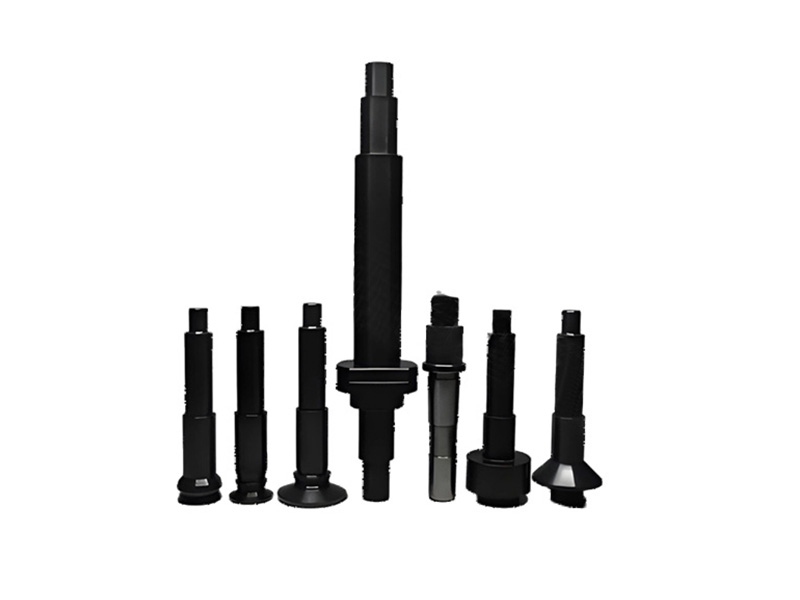
High hardness: Mohs hardness ≥ 9.5, second only to diamond, with strong wear resistance.
High temperature resistance: Melting point up to 2700℃, maintaining strength above 1600℃.
High thermal conductivity: Thermal conductivity reaches 140-221.1 W/(m·K), superior to most metals and ceramic materials.
Corrosion resistance: Able to withstand strong acids, strong bases, and chemical media corrosion.
Low friction coefficient: High surface smoothness and good self-lubricating properties.
Ⅰ.
Manufacturing Process
The main manufacturing processes for silicon carbide ceramic shafts include:
1. Hot pressing sintering: Sintering under a pressure of 10-40 MPa, resulting in high product density and a porosity of <0.5%.
2. Reaction sintering: Silicon infiltration treatment at 1450-1700℃, resulting in a shrinkage rate of <3% and high dimensional accuracy.
3. Pressureless sintering: Divided into solid-phase and liquid-phase sintering, the latter allowing for densification at lower temperatures.
4. Emerging processes: Microwave sintering and spark plasma sintering, which allow for rapid heating and improved material density.
Ⅱ.
Application Fields
Silicon carbide ceramic shafts are widely used in various industrial fields:
1. High-temperature and metallurgical industries: high-temperature furnaces, refractory materials, metal smelting components.
2. Mechanical manufacturing: bearings, guide rails, sealing rings, wear-resistant components.
3. Semiconductor and electronics: semiconductor manufacturing equipment, electronic heat dissipation substrates.
4. Chemical and environmental protection: corrosion-resistant pumps and valves, pipe linings, high-temperature filters.
5. Energy and nuclear industry: nuclear reactor materials, fuel cladding tubes.
Ⅰ.Advantages compared to other materials
Performance indicators | Silicon carbide ceramics | Traditional metals | Ordinary ceramics |
hardness | High (Mohs hardness 9.5+) | medium | Higher |
Temperature resistance | Can reach 1600℃ | Typically <1000℃ | Typically <1500℃ |
Thermal conductivity | Excellent(140-221 W/mK) | good | Poor |
Corrosion resistance | Very strong | generally | relatively strong |
density | Low(3.2 g/cm³) | high | medium |
Supports custom specifications.