
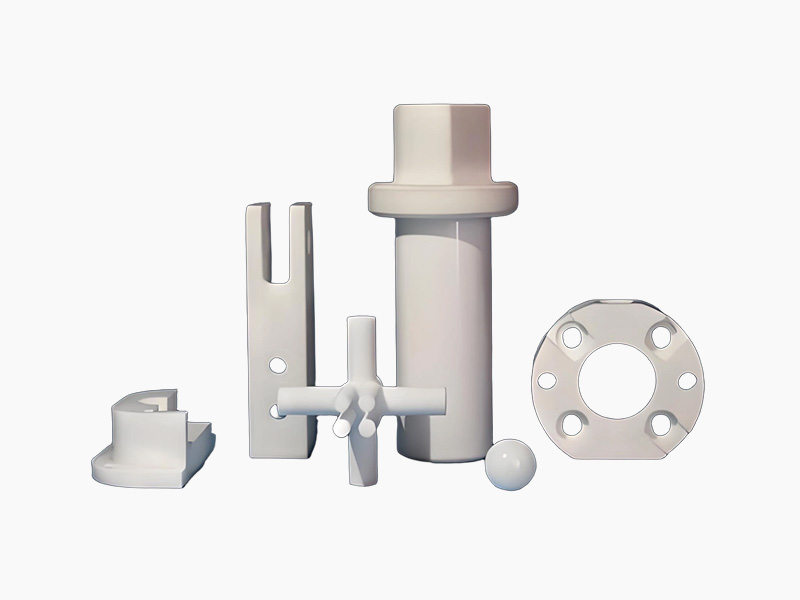
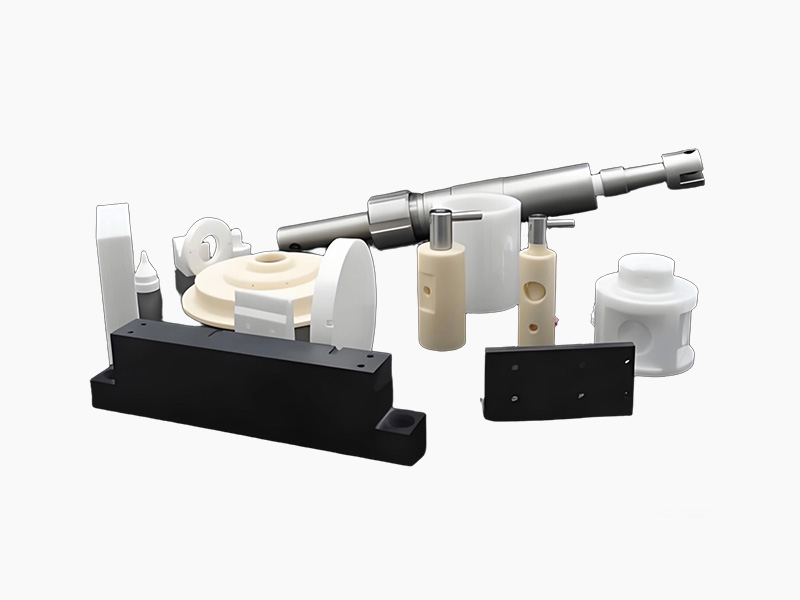



Heat distortion is a common challenge in welding processes, particularly in automotive manufacturing where thin metal panels are frequently welded together. Excessive heat can cause materials to expand, shift, or deform during welding.Maintaining precise positioning during these conditions is critical. Ceramic welding pins help reduce the effects of heat distortion by maintaining stable alignment and minimizing thermal expansion.
Causes of Heat Distortion in Welding
Heat distortion occurs when metal components expand unevenly during welding. Common causes include:
1、localized heating from welding current
2、uneven cooling rates
3、thermal expansion of fixture components
If positioning pins expand or deform, the alignment of components can shift, leading to poor weld quality.
How Ceramic Welding Pins Reduce Distortion
Ceramic welding pins offer several properties that help control heat distortion.
1、Low Thermal Expansion
Ceramic materials expand much less than metals when heated. This helps maintain precise positioning during welding.
2、Thermal Stability
Ceramics retain their strength and shape even at high temperatures, preventing fixture deformation.
3、High Hardness
Wear resistance ensures that pins maintain their dimensions even after repeated welding cycles.
Applications in Automotive Manufacturing
Ceramic welding pins are widely used in:
1、body panel welding fixtures
2、chassis welding systems
3、robotic welding stations
4、automated assembly lines
In these environments, maintaining alignment is essential for achieving consistent weld quality.
Conclusion
Heat distortion can negatively affect welding accuracy and final product quality. Ceramic welding pins help mitigate these issues by providing stable positioning, low thermal expansion, and excellent heat resistance.By incorporating ceramic pins into automotive welding fixtures, manufacturers can improve welding precision and maintain consistent production quality.