




High-volume automotive production requires extreme consistency, speed, and precision. Modern car manufacturing plants produce thousands of vehicles daily, relying heavily on automated welding systems. In such environments, even minor fixture inaccuracies can result in large-scale defects.
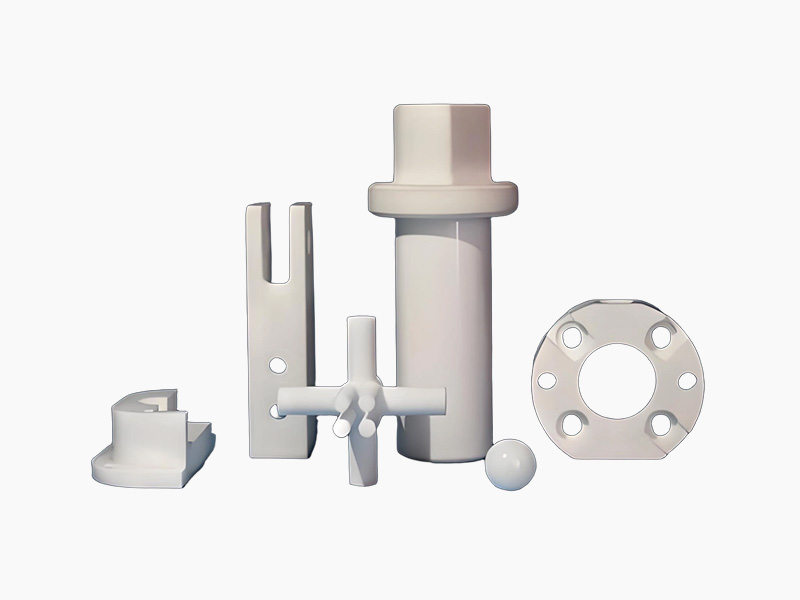
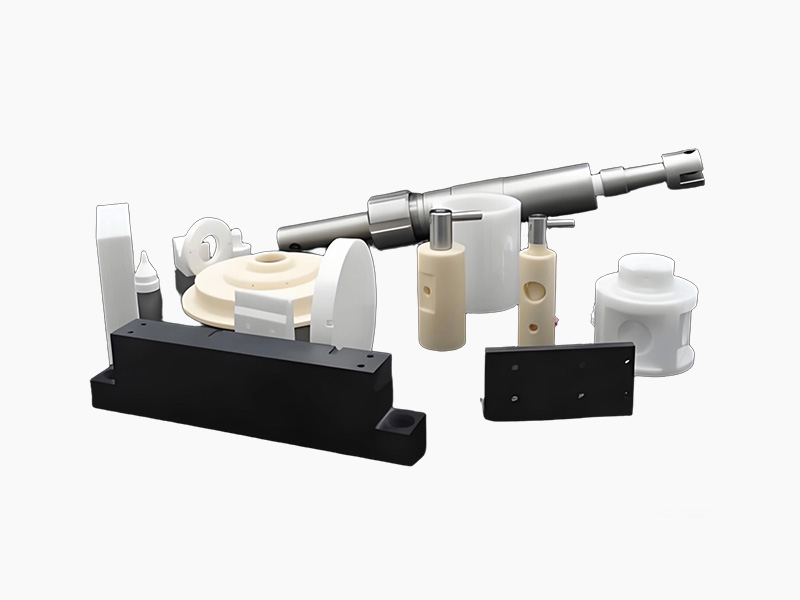
To maintain consistent performance under continuous operation, manufacturers increasingly use ceramic welding pins in welding fixtures. These components provide durability, precision, and thermal stability essential for high-volume production.
Challenges in High-Volume Production
Automotive production lines operate under demanding conditions:
1、Continuous welding cycles
2、High temperatures from resistance welding
3、Repeated mechanical loading
4、Strict quality requirements
Traditional steel pins wear quickly under these conditions, leading to reduced accuracy and increased maintenance.
Advantages of Ceramic Welding Pins
1. Extended Service Life
Ceramic materials resist wear and maintain dimensional accuracy over long periods.
2. Thermal Stability
Low thermal expansion ensures consistent positioning during repeated heating cycles.
3. Reduced Maintenance
Ceramic pins require less frequent replacement, minimizing downtime.
4. Improved Production Efficiency
Stable fixture components reduce errors and increase throughput.
Impact on Manufacturing Efficiency
Using ceramic welding pins helps manufacturers:
1、Maintain consistent weld quality
2、Reduce scrap rates
3、Improve line uptime
4、Lower maintenance costs
These benefits are critical in high-volume automotive environments where efficiency directly impacts profitability.
Conclusion
Ceramic welding pins provide the reliability and durability required for high-volume automotive production. Their ability to maintain precision under continuous operation makes them a valuable component in modern manufacturing systems.