





What Is Silicon Nitride?
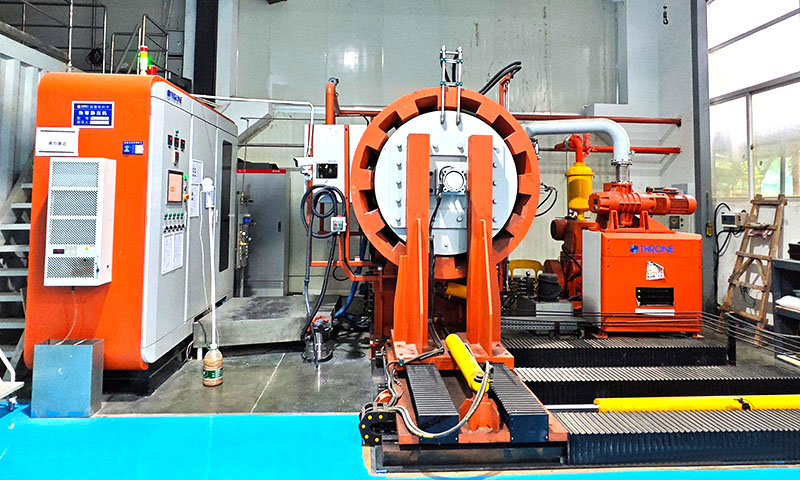
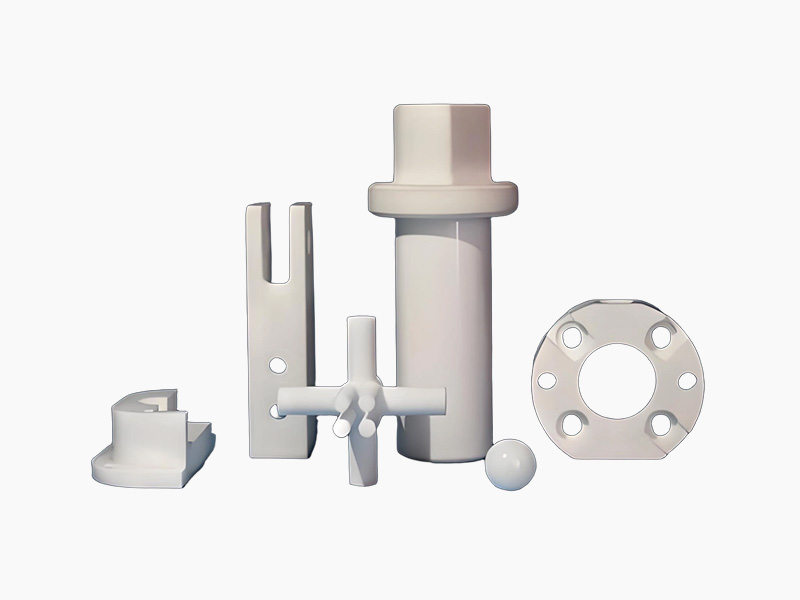
Silicon Nitride (Si₃N₄) is a highly advanced, non-oxide ceramic material composed of silicon and nitrogen atoms. Renowned for its exceptional hardness, thermal resilience, and wear resistance, it is typically synthesized through high-temperature sintering processes.
Unlike traditional oxide ceramics (such as alumina) that are inherently brittle and prone to catastrophic failure under stress, silicon nitride possesses a unique microstructural advantage: it combines high mechanical strength with remarkable fracture toughness. This distinctive balance makes it the material of choice for engineering applications where extreme durability, precision, and reliability are non-negotiable.
Material Insight: Silicon nitride is often classified as the "king of structural ceramics" due to its unmatched ability to withstand severe mechanical and thermal shock environments simultaneously.
Molecular Structure and Composition
The chemical formula Si₃N₄ dictates a stoichiometric ratio of three silicon atoms to four nitrogen atoms. In its crystalline lattice, the fundamental building block is the SiN₄ tetrahedron, where each silicon atom is covalently bonded to four nitrogen atoms. Conversely, each nitrogen atom is bonded to three silicon atoms in a trigonal planar configuration.
This highly directional, strong covalent bonding network is responsible for the material's high elastic modulus and thermal stability. Si₃N₄ primarily exists in two crystallographic phases: the α-phase (hexagonal, formed at lower temperatures) and the β-phase (hexagonal, thermodynamically stable). The β-phase is predominantly used in structural applications because its elongated grain structure acts as a micro-crack deflection mechanism, significantly enhancing fracture toughness.
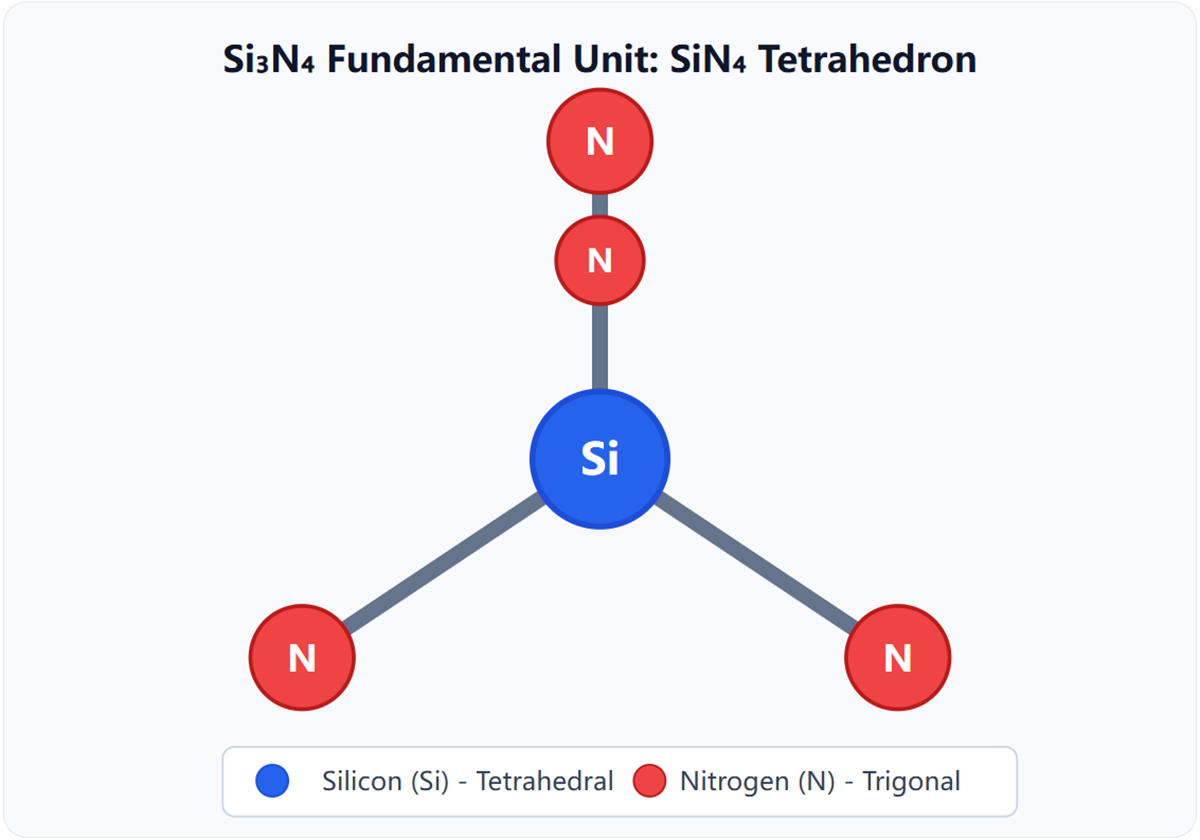
Figure 1: Schematic representation of the SiN₄ tetrahedral coordination. The strong covalent Si-N bonds form a rigid 3D network, dictating the material's high hardness and thermal stability.
Key Properties of Si₃N₄ Ceramics
1. High Mechanical Strength and Toughness
Silicon nitride exhibits exceptional tensile and flexural strength, making it highly resistant to fracture under heavy mechanical loads. Its most distinguishing feature among ceramics is its high fracture toughness. The elongated β-Si₃N₄ grains act as microstructural "crack bridges," allowing the material to absorb significant energy before failure, a trait critical for dynamic stress environments.
2. Exceptional Wear and Scratch Resistance
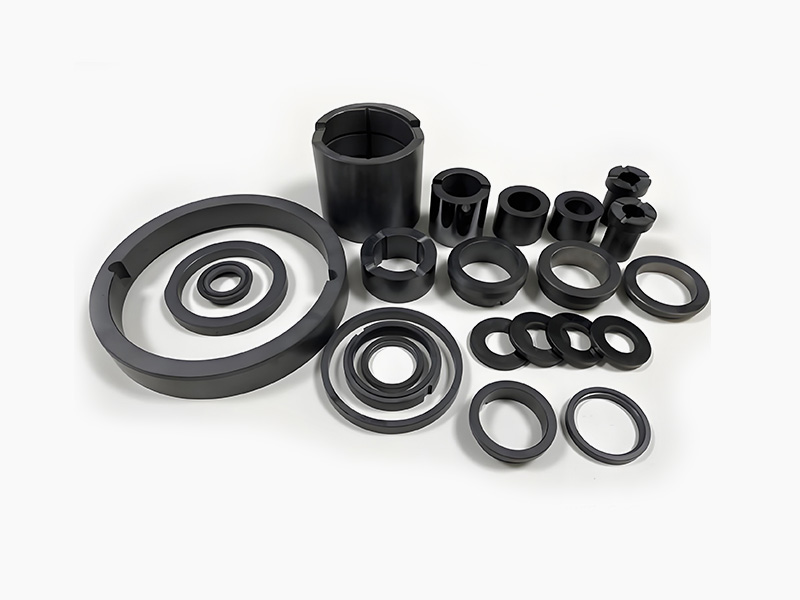
Featuring an inherently low coefficient of friction combined with extreme surface hardness, Si₃N₄ is highly resistant to abrasion and galling. This makes it the premier material for continuous friction components like high-speed bearings, mechanical seals, and cutting tools, drastically extending component lifespan and reducing maintenance downtime.
3. Thermal Stability and High-Temperature Performance
Si₃N₄ maintains its structural integrity and mechanical strength at extreme temperatures up to 1600°C (2912°F). Furthermore, its exceptionally low coefficient of thermal expansion (CTE) ensures dimensional stability and provides outstanding resistance to thermal shock, even during rapid temperature fluctuations.
4. Corrosion and Oxidation Resistance
Unlike metals that degrade in harsh environments, silicon nitride is highly chemically inert. It resists attack from strong acids, alkalis, and molten salts. When exposed to oxygen at high temperatures, it forms a protective silica (SiO₂) passivation layer that prevents further internal oxidation, making it indispensable in chemical processing and marine engineering.
5. Electrical Insulation and Dielectric Properties
As an excellent electrical insulator with high dielectric strength, Si₃N₄ is critical for electronic applications. It does not conduct electricity and is immune to electromagnetic interference (EMI), making it ideal for high-voltage insulators, semiconductor manufacturing equipment, and advanced photonic integrated circuits.
Technical Specifications
The following table outlines the standard physical and mechanical properties of sintered Silicon Nitride ceramics:
| Property | Typical Value | Unit |
Chemical Formula | Si₃N₄ | — |
Density | 3.17 - 3.25 | g/cm³ |
Max Operating Temperature | 1600 | °C |
Flexural Strength | 700 - 1000 | MPa |
Fracture Toughness | 6.0 - 7.5 | MPa·m1/2 |
Vickers Hardness | 13 - 17 | GPa |
Thermal Expansion (CTE) | 3.0 - 3.2 | × 10⁻⁶ /K |
Electrical Resistivity | >10¹⁴ | Ω·cm |
Industrial Applications
1. Aerospace and Automotive Industry
In sectors where performance-to-weight ratios are critical, Si₃N₄ is utilized in high-stress, high-temperature components such as turbine blades, exhaust valves, and turbocharger rotors. Its thermal stability allows engines to run hotter and more efficiently. Furthermore, its low density (approximately 40% that of steel) significantly reduces the overall weight of aircraft and vehicles, directly improving fuel economy and reducing emissions.
2. Cutting Tools and Mechanical Components
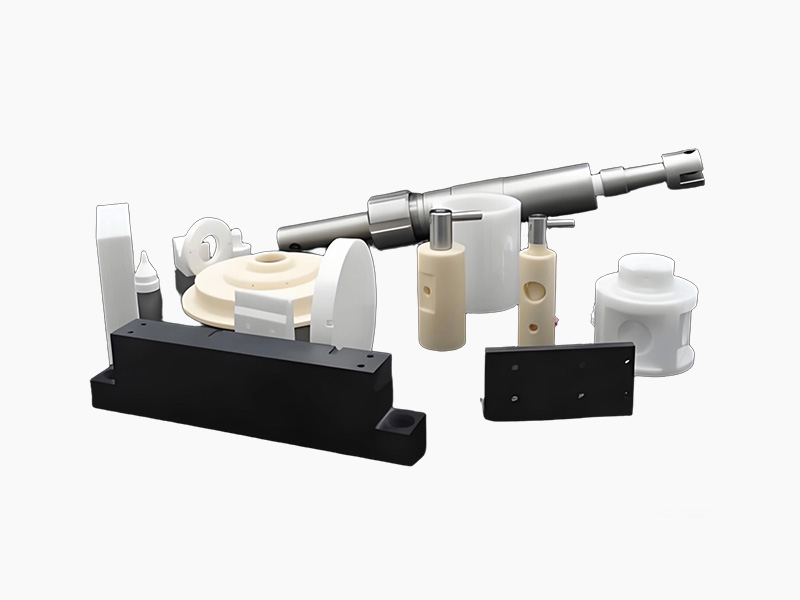
Si₃N₄ is extensively used to manufacture high-speed cutting tools, including indexable inserts, drill bits, and end mills. Its unique combination of wear resistance and toughness allows it to machine difficult-to-cut materials like cast iron and superalloys at speeds far exceeding traditional carbide tools. It is also the standard material for high-precision ball bearings and mechanical seals.
3. Semiconductor and Electronics Manufacturing
Due to its electrical insulation, chemical purity, and thermal conductivity, silicon nitride is critical in semiconductor fabrication. It is used for electrostatic chucks (ESCs) that hold silicon wafers during plasma etching, as well as in photonic integrated circuits and insulating substrates for high-power electronics.
4. Medical and Biomedical Engineering
Silicon nitride exhibits excellent biocompatibility and inherent antibacterial surface properties. It is increasingly used in spinal fusion implants, orthopedic devices, and dental abutments, as its surface chemistry promotes osteointegration (bone cell growth) while resisting biofilm formation.
Frequently Asked Questions
Q1: What is Silicon Nitride (Si₃N₄)?
Silicon Nitride (Si₃N₄) is a high-performance engineering ceramic composed of silicon and nitrogen. It is synthesized via high-temperature sintering and is renowned for its unique combination of high mechanical strength, exceptional fracture toughness, thermal stability up to 1600°C, and excellent wear resistance.
Q2: What are the primary industrial applications of Silicon Nitride ceramics?
Due to its extreme durability and thermal resilience, Silicon Nitride is widely used in aerospace and automotive components (turbine blades, bearings, exhaust valves), high-speed cutting tools, semiconductor manufacturing equipment, and biomedical implants.
Q3: What is the maximum operating temperature of Si₃N₄ ceramics?
Silicon Nitride ceramics can maintain their structural integrity and mechanical properties at extreme temperatures up to 1600°C (2912°F), making them ideal for high-heat environments like jet engines and hot rolling mills.
Q4:Why is Silicon Nitride preferred over traditional ceramics and metals?
Unlike traditional brittle ceramics, Si₃N₄ offers remarkable fracture toughness. Compared to metals, it provides a significantly lower density (lightweight), superior corrosion and oxidation resistance, and the ability to operate at temperatures where metals would melt or lose strength.
Conclusion
Silicon nitride ceramics have firmly established themselves as an irreplaceable cornerstone in modern advanced manufacturing and engineering. By bridging the gap between the extreme hardness of traditional ceramics and the fracture toughness of metals, Si₃N₄ enables designs that were previously impossible.
From enhancing the fuel efficiency of next-generation aerospace turbines to enabling the miniaturization of semiconductor photonics, the unique chemical and physical properties of silicon nitride will continue to drive innovation across high-performance industries for decades to come.