Product Introduction of Porous Zirconia Ceramic Resistor Components:
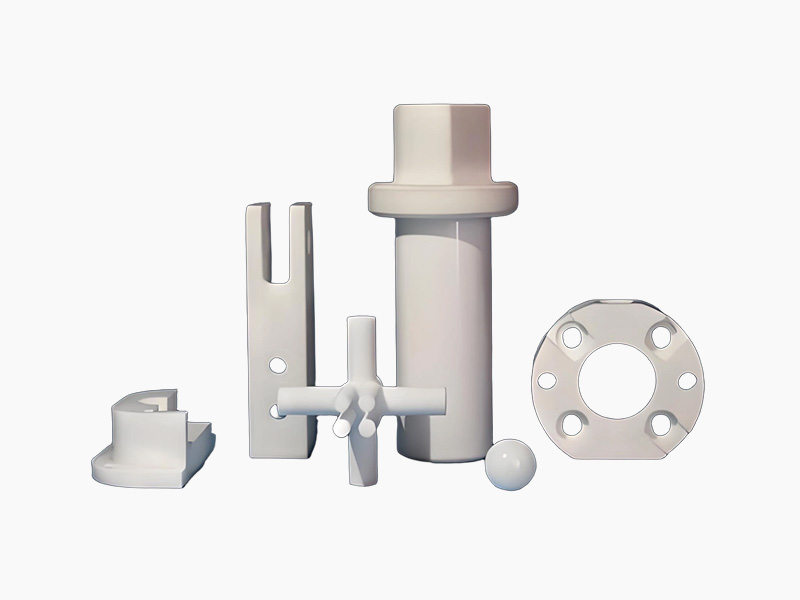
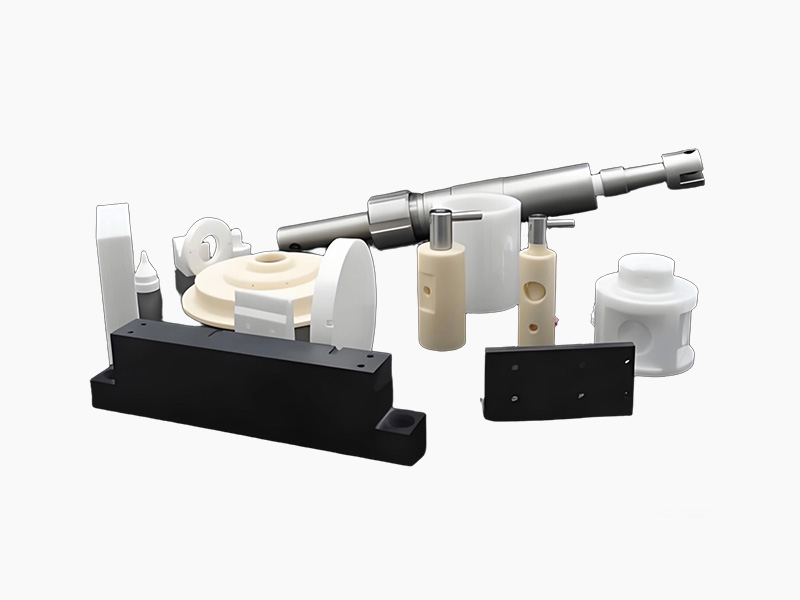
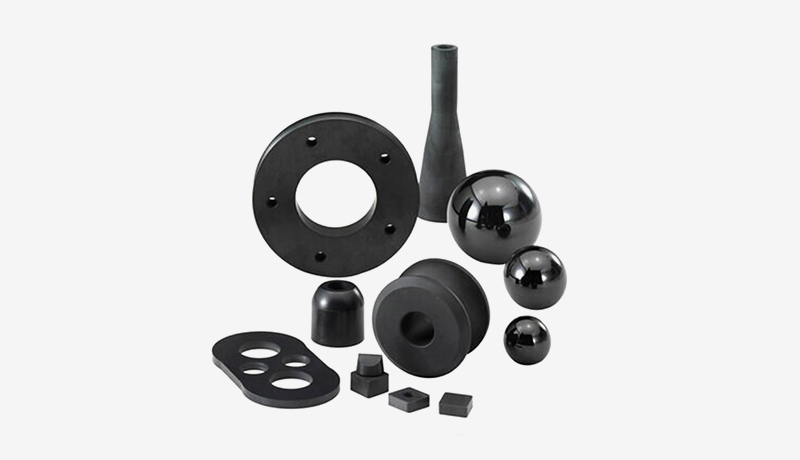
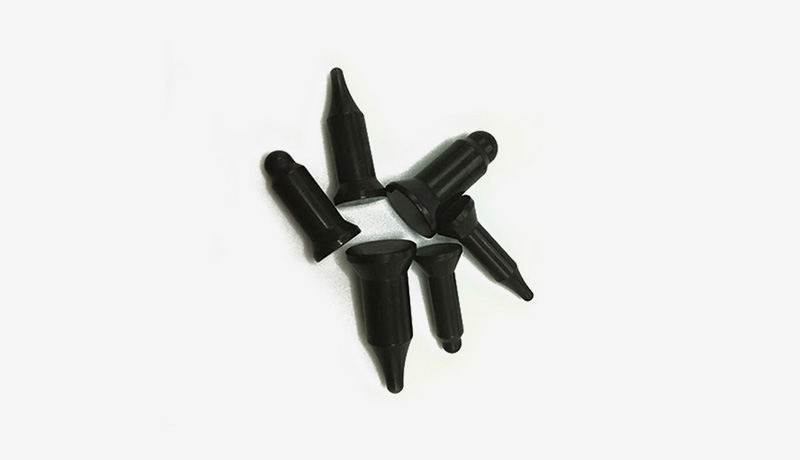
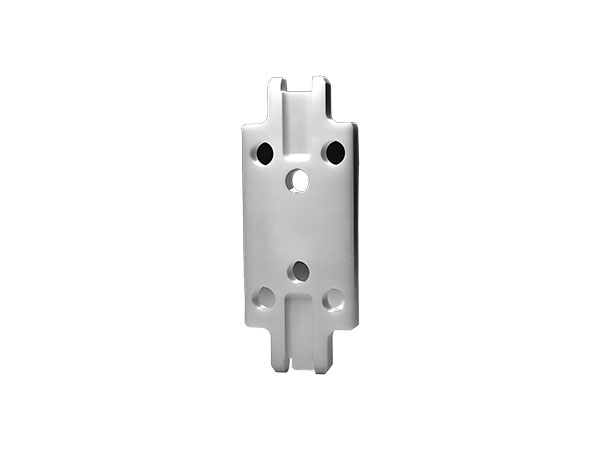
Porous zirconia ceramic resistor components are special ceramic parts made primarily from zirconium dioxide (ZrO₂), featuring a porous structure and excellent wear resistance. These components combine the high strength and toughness characteristics of zirconia ceramics, while the porous structure, formed through a special process, provides both permeability and resistive properties.
Manufacturing Process
Raw Material Preparation: High-purity zirconia powder is used, with stabilizers (such as yttrium oxide) added to control the crystal phase structure.
1. Forming Process:
Dry pressing: Suitable for simple-shaped parts.
Injection molding: Suitable for complex-shaped parts.
Isostatic pressing: Suitable for high-precision parts.
Sintering Process: Sintering is performed at a high temperature of 1400-1650℃, with precise control of temperature and time.
Post-processing: Includes finishing processes such as grinding, polishing, and laser cutting.
Application Fields
1. Industrial Manufacturing:
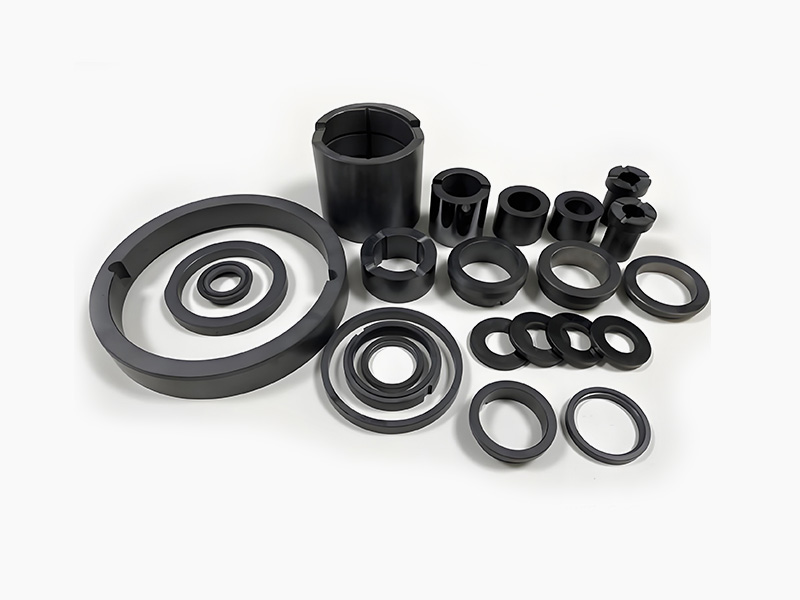
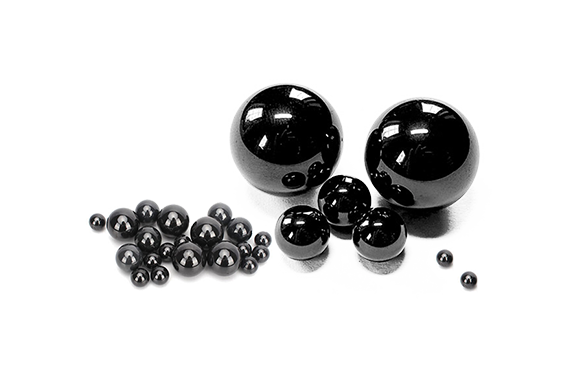
Wear-resistant components: bearings, sealing rings, pump parts.
Resistive elements: high-temperature heating elements, sensor core components.
2. Electronics and Electrical Appliances:
Solid oxide fuel cell (SOFC) components.
High-temperature resistors, insulating substrates.
3. Environmental Protection Equipment:
Porous filtration media.
Catalyst carriers.
4. Scientific Research Instruments:
Laboratory high-temperature resistance furnace components.
Precision measuring equipment components.
Technical Parameters
Performance indicators | parameter | illustrate |
Physical properties | Mohs hardness 6.5-7.5, fracture toughness 1-35 MPa·m¹/² | With a hardness second only to diamond and silicon carbide, and excellent impact resistance. |
Thermal properties | Melting point: 2715℃, temperature resistance: above 1500℃. | Maintains stability in extremely high temperatures. |
Electrical properties | It is an electrical insulator at room temperature, but conducts oxygen ions at high temperatures. | Suitable for resistive elements and high-temperature sensing applications. |
Mechanical properties | High compressive strength and 3-5 times improved wear resistance. | Significantly longer lifespan than traditional metal components. |
Porous properties | Controllable porosity, moderate breathability. | Suitable for applications requiring gas/liquid passage, such as filtration and catalysis. |
Supports custom specifications.