Product Introduction of Porous Zirconia Ceramic Plates
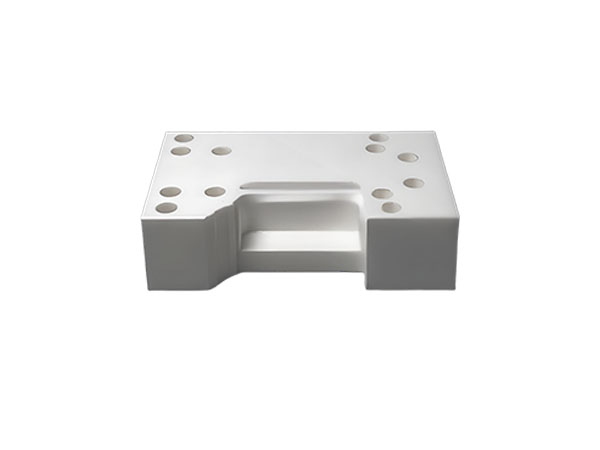
Porous zirconia ceramic plates are high-performance ceramic materials primarily composed of zirconium dioxide (ZrO₂), with a porous structure formed through a special process. Compared to dense zirconia ceramics, their core characteristics include:
1. Structural characteristics: They possess a controllable porous structure, with porosity adjustable within the range of 0.6%-63%, and pore sizes ranging from 1-8 μm.
2. Physical properties: They retain the high melting point (2715℃), high hardness (HV1250), and excellent toughness of zirconia materials.
3. Functional characteristics: They exhibit moderate air permeability, good ventilation, and excellent thermal insulation properties.
4. Chemical stability: They demonstrate stability in acidic, alkaline, and organic solvent environments, and possess excellent corrosion resistance.
Preparation processes and techniques
The main methods for preparing porous zirconia ceramics include:
Process type | Technical Features | Applicable scenarios |
Adding pore-forming agents method | Pores are formed using pore-forming agents such as starch, resulting in a simple and easily controllable process. | Conventional porous ceramic preparation |
Foaming process | Gases are generated through chemical reactions to form a closed-cell structure. | High porosity materials |
Organic foam impregnation | An open-pore structure is formed using organic foam as a template. | High porosity foam ceramics |
Sol-gel method | Forms nanoscale pores with a uniform structure. | Preparation of microporous ceramics |
Supports custom specifications.