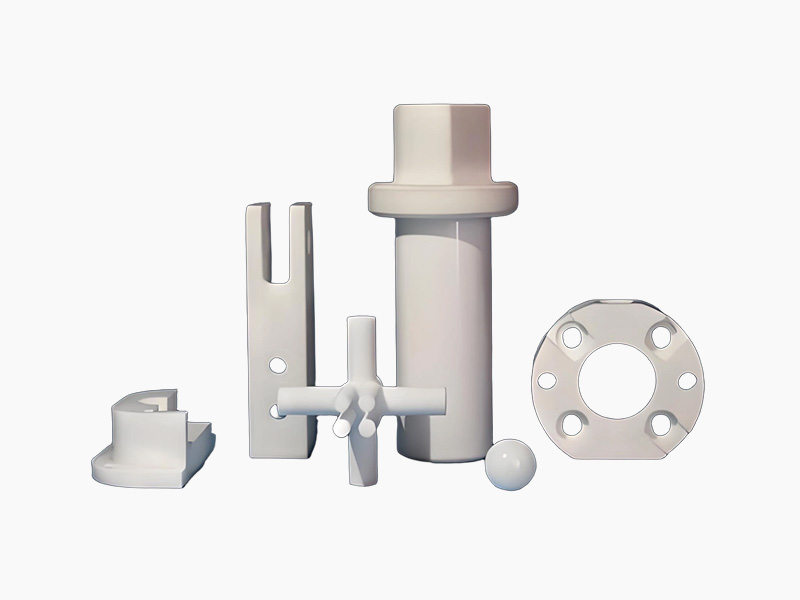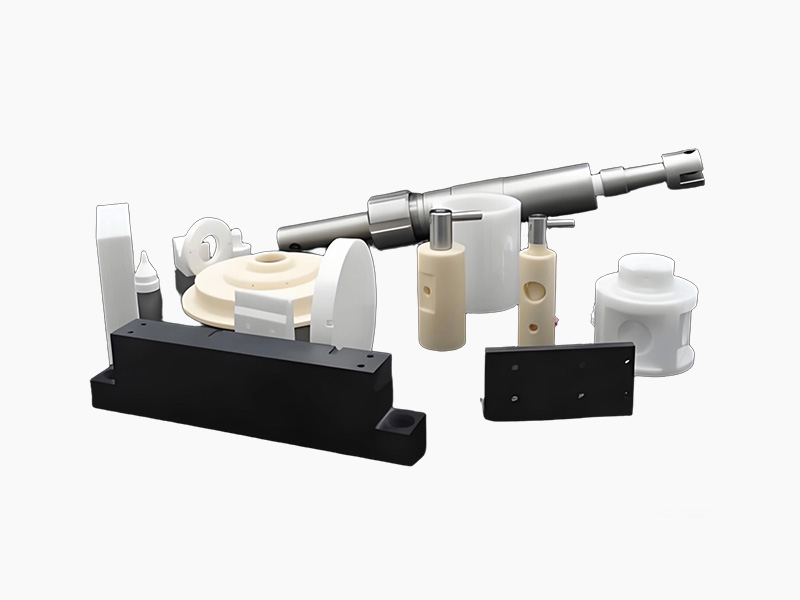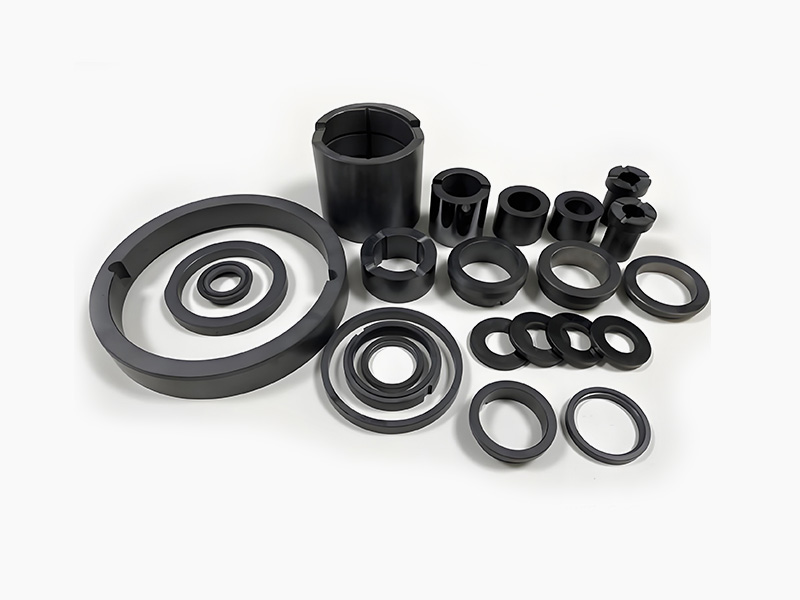
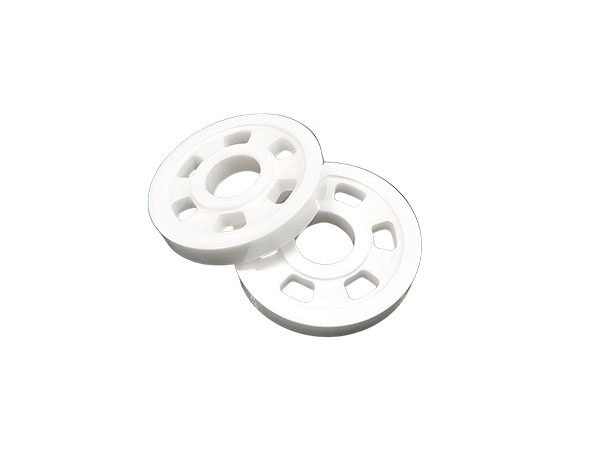
Porous circular zirconia ceramic is a high-performance ceramic material primarily composed of zirconium dioxide (ZrO₂), featuring a porous structure. According to search results, this material possesses the following significant characteristics:
1. High melting point: The melting point can reach above 1580°C, enabling it to withstand high-temperature environments up to 1500°C.
2. High strength and toughness: It possesses extremely high mechanical strength and toughness, capable of withstanding severe mechanical stress.
3. Wear resistance: The surface is hard and resistant to wear, making it suitable for frequently operating industrial equipment.
4. Chemical stability: It exhibits stability in acidic, alkaline, and organic solvent environments, demonstrating good corrosion resistance.
5. Moderate permeability: Its porous structure provides a certain degree of ventilation and thermal insulation.
6. Phase transformation toughening: The martensitic phase transformation of ZrO₂ provides toughening effects such as phase transformation toughening, microcrack toughening, and dispersion toughening.
Preparation Methods and Production Processes
1. Traditional Ceramic Forming Processes
Slip Casting: Ceramic powder particles are deposited and formed on the gypsum mold wall through physical dehydration and chemical coagulation. This method is suitable for preparing large ceramic components with complex shapes.
Hot Press Casting: Ceramic powder is mixed with a binder at 60-100°C, injected into a metal mold, and then cooled under pressure. The wax mold is then removed and sintered at high temperature to obtain the ceramic.
Tape Casting: Ceramic powder is mixed with an organic binder to obtain a viscous slurry. After controlling the thickness, it is dried to obtain a film blank.
2. Special Processes for Porous Ceramics
Foaming Process: Volatile gases are generated by adding chemical substances, and the porous ceramic is prepared through drying and firing. This method is particularly suitable for preparing closed-cell porous ceramic materials.
Pore-forming Agent Addition Process: A pore-forming agent is added to the ceramic mixture. After sintering, the pore-forming agent leaves, forming pores.
Organic Foam Impregnation Process: Ceramic slurry is impregnated into organic foam, and the organic foam is burned away to obtain porous ceramic.
Sol-Gel Process: The accumulation of colloidal particles during the gelation process is used to form a controllable porous structure.
Application Fields
1. Medical Field
Dental restoration: Manufacturing of dental crowns, bridges, implants, etc., gradually replacing traditional metal-ceramic teeth.
Artificial joints: Such as hip and knee replacement prostheses, reducing the risk of allergies caused by metal materials.
Surgical instruments: High-precision and corrosion-resistant surgical knives, forceps, etc.
2. Electronics and Semiconductor Industry
Oxygen sensors: Utilizing unique oxygen ion conductivity in high-temperature environments.
Piezoelectric materials: Manufacturing of sensors, actuators, etc.
Integrated circuit substrates: High insulation and low dielectric loss characteristics.
3. Industrial Machinery and Tools
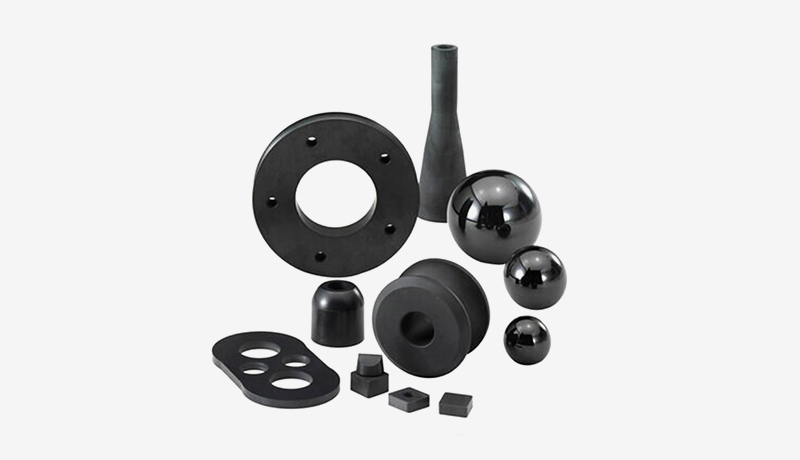
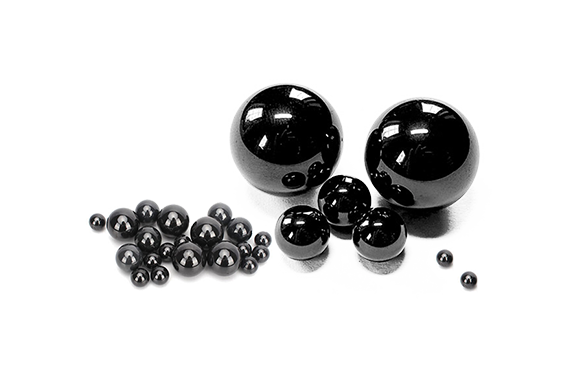
Wear-resistant components: Bearings, valves, pump bodies, nozzles, etc.
Cutting tools: High-hardness, wear-resistant ceramic cutting tools.
Thermal barrier coatings: Surface coatings for turbine blades of aircraft engines.
4. Other Fields
Catalyst carriers: Supporting catalysts in chemical reactions.
Gas/liquid filtration: High-temperature stability makes it suitable for filtration applications.
Thermal insulation: Protective layers for aerospace vehicles and engineering structural materials.
Supports custom specifications.