




Robotic welding fixtures must maintain precise positioning under continuous operation. Ceramic welding pins are essential components that enhance fixture stability and overall system accuracy.
Role of Fixtures in Robotic Welding
Fixtures hold workpieces in place while robotic arms perform welding tasks. Any movement or misalignment can compromise weld quality.
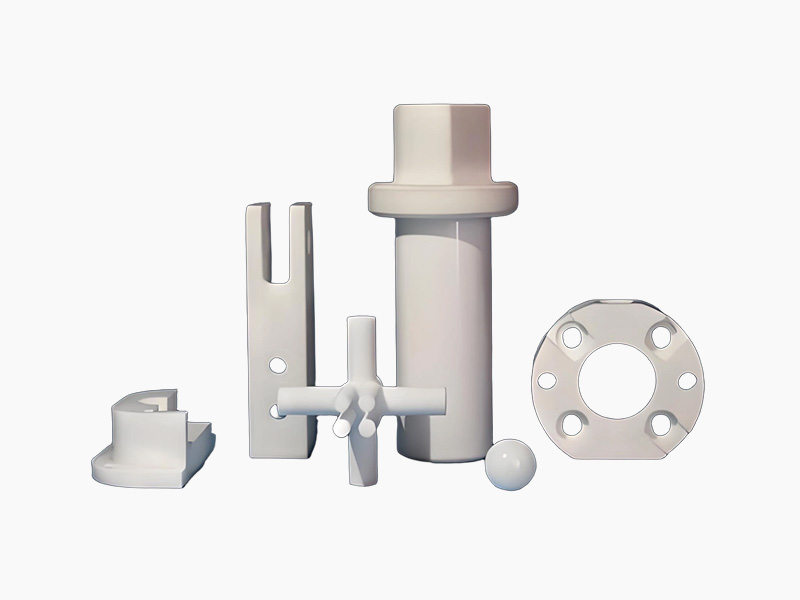
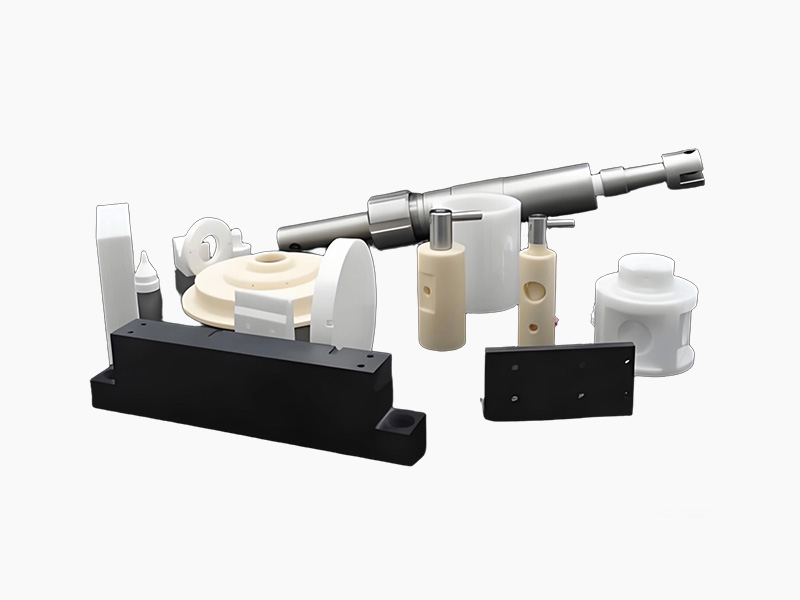
Ceramic welding pins act as positioning elements, ensuring repeatable alignment across multiple cycles.
Resistance to Repetitive Stress
Robotic systems operate continuously, subjecting fixtures to repeated mechanical stress. Ceramic pins maintain dimensional accuracy even under long-term use.
Heat and Spatter Resistance
Welding environments expose fixtures to high temperatures and spatter. Ceramic materials resist heat damage and do not degrade under these conditions.
Enhancing Automation Efficiency
Stable fixtures reduce the need for manual adjustments, allowing robots to operate at higher speeds with consistent accuracy.
Long-Term Reliability
Ceramic welding pins extend fixture lifespan, reducing maintenance and improving production efficiency.
Conclusion
By integrating ceramic welding pins into robotic fixtures, manufacturers can achieve higher precision, durability, and efficiency in automated welding systems.