
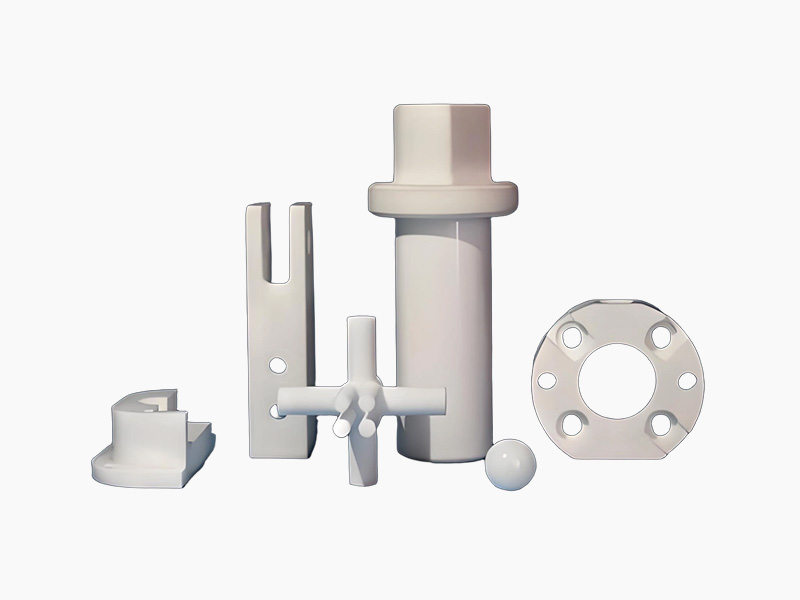
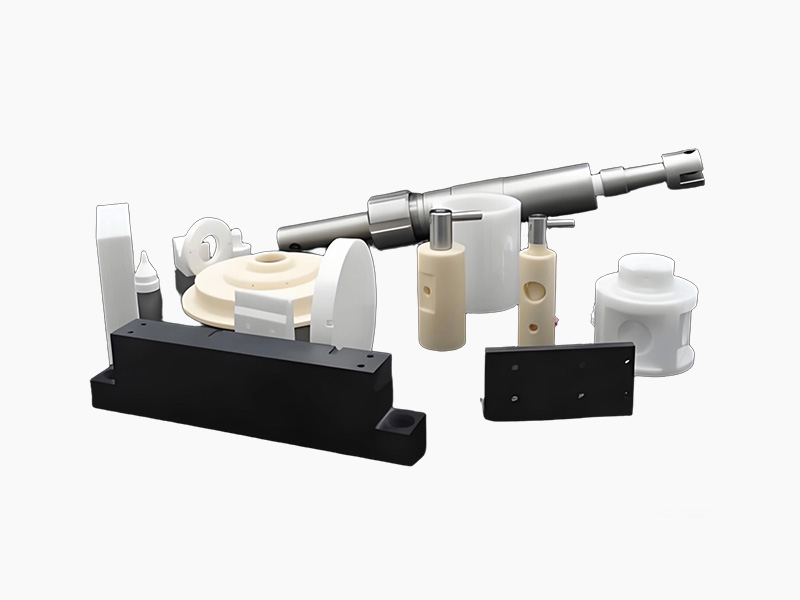






Automotive chassis manufacturing requires high structural integrity and consistent weld quality. In these demanding environments, ceramic welding pins are increasingly used to improve alignment accuracy and durability during welding operations.
The Importance of Precision in Chassis Welding
The chassis serves as the structural backbone of a vehicle. Welding inaccuracies can lead to misalignment, reduced strength, and safety concerns. Welding pins play a crucial role in positioning components before welding.
Traditional metal pins often experience wear and deformation, especially under repetitive high-load welding cycles. This can lead to inconsistent weld quality over time.
Advantages of Ceramic Welding Pins
Ceramic welding pins provide several key benefits for chassis welding:
1. High Mechanical Strength
Ceramic materials maintain structural integrity under heavy loads, ensuring stable positioning.
2. Exceptional Wear Resistance
In high-volume automotive production, wear resistance is critical. Ceramic pins maintain their shape over extended cycles.
3. Thermal Stability
Chassis welding generates significant heat. Ceramic pins resist thermal expansion, maintaining alignment accuracy.
Improved Weld Consistency
Accurate positioning ensures uniform weld penetration and strength. Ceramic welding pins reduce variability, leading to higher quality standards.
Reduced Maintenance Requirements
Due to their durability, ceramic welding pins require less frequent replacement, reducing downtime and maintenance costs.
Conclusion
In automotive chassis welding, ceramic welding pins provide durability, precision, and thermal stability, supporting high-quality and reliable vehicle production.